The key facts
- The WHO estimates the potential of six measures at 1.6 million prevented deaths annually — roughly one in every forty deaths worldwide
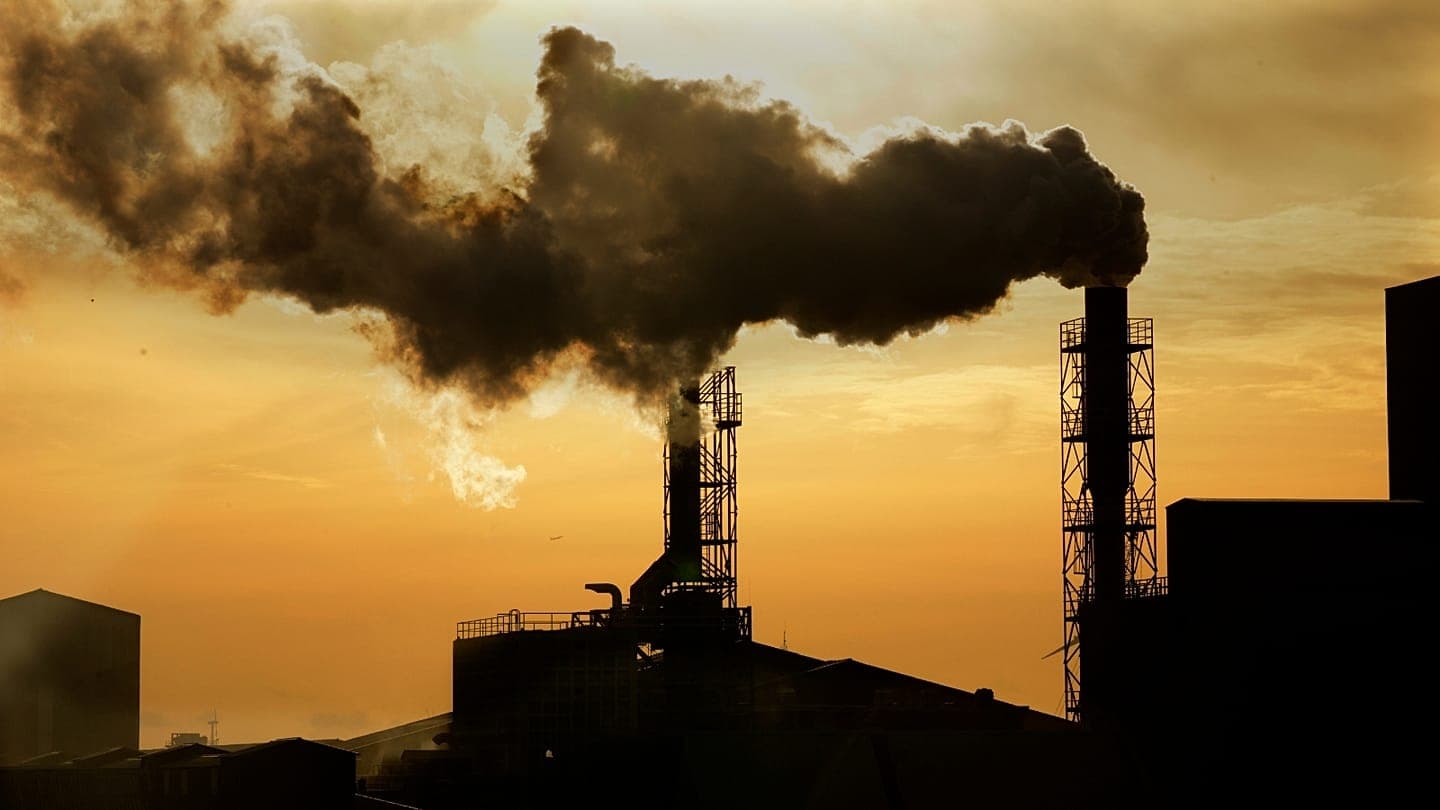
- Phasing out fossil fuels delivers the greatest effect: more than 1 million lives saved per year and 5.4 trillion dollars in fiscal benefits
- Every dollar invested in the other five measures yields an average of 24.8 dollars in benefits
Six measures listed by the WHO
The World Health Organization has published a report assessing the effect of six climate and health measures: introducing heat early warning systems, climate-resilient drinking water supply systems, basic sanitation and hygiene with handwashing facilities, the transition to cleaner fuels and technologies for cooking and heating, and more efficient fossil fuel pricing policies. According to the organization's estimate, implementing these measures could prevent 1.6 million deaths annually — roughly one in every forty deaths worldwide — and generate trillions of dollars in economic and fiscal benefits. This is reported by Euronews citing the report published on Wednesday, November 4.
The greatest effect comes from phasing out fossil fuels
According to the WHO report, the greatest return comes from the phased phase-out of fossil fuels: it could prevent more than one million premature deaths per year from noncommunicable diseases — stroke, ischemic heart disease, lung cancer, chronic obstructive pulmonary disease and asthma — as well as from road traffic accidents, and deliver 5.4 trillion dollars in fiscal benefits annually. To achieve this, the WHO proposes that fossil fuel prices reflect their impact on health, climate and the environment. The remaining five measures, according to the organization's calculations, yield an average of 24.8 dollars in benefits for every dollar invested, and in low- and middle-income countries the return is expected to be even higher, which would help reduce health and economic inequality.
What risks lie behind these measures
Each of the measures targets a specific climate-related health risk. Heat warning systems should alert the population to dangerously high temperatures and trigger response actions — reminders about drinking regimes, access to cooled spaces and work with vulnerable groups. Resilient sources of clean water are intended to prevent shortages and contamination during extreme weather events, while basic hygiene should reduce exposure to waterborne pathogens. The transition to cleaner energy reduces indoor air pollution and greenhouse gas emissions and, according to the WHO, can prevent deaths and illness associated with respiratory infections and chronic noncommunicable diseases, including stroke, ischemic heart disease, lung cancer and asthma.
The scale of the problem and the WHO leadership's position
According to the report, about 3.6 billion people live in areas that make them highly vulnerable to climate change and its impact on health. Without additional measures, certain climate-related risks — malnutrition, malaria, diarrhoea and heat stress — are estimated to cause 250,000 premature deaths per year between 2030 and 2050, and by 2050 climate change could additionally expose about 500 million people to carriers of climate-sensitive diseases. WHO Director-General Tedros Adhanom Ghebreyesus called the climate crisis a health crisis and stated that a significant share of the harm it causes can be prevented with tools that already exist. According to him, scaling up proven and affordable measures will save millions of lives, with the greatest gains going to the countries that need them most, and the protection of health must be at the centre of climate action as governments prepare for the next round of climate negotiations.