The key facts
- A delegation of 19 congress members will attend COP31 in Antalya on November 9–20
- The US is officially not participating in the negotiations following its withdrawal from the Paris Agreement
- The trip was organized after the Democrats' victory in the midterm elections
Congress members will attend COP31 despite the US not participating
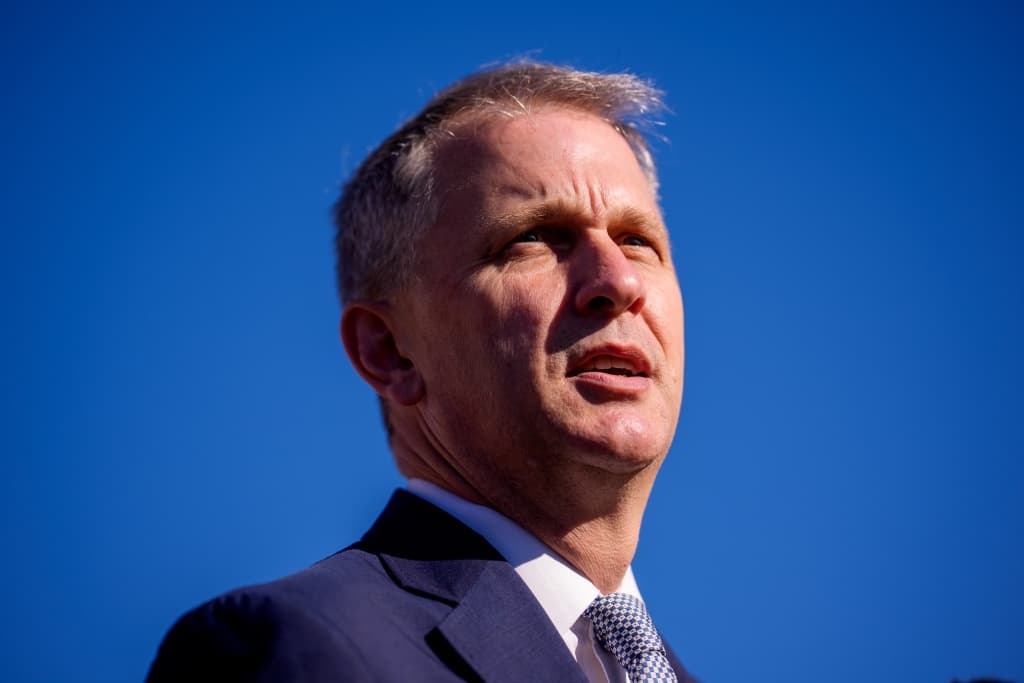
An American congressional delegation will travel to Turkey for the annual UN climate summit, it was announced on Wednesday by Democratic Congressman Sean Casten of Illinois, the day after his party's decisive victory in the midterm elections. The United States is not taking part in the negotiations: President Donald Trump, upon returning to office for a second time, withdrew the country from the Paris Agreement. Nevertheless, according to Casten, the 19-member delegation will play an 'important diplomatic role' at COP31, which will be held in Antalya from November 9 to 20. 'We certainly will not be in the majority, but we will be received with an understanding of what has just happened,' he said at a press conference.
Cautious optimism and domestic constraints
Casten urged against being naive, recalling that the US never ratified the 1997 Kyoto Protocol and twice withdrew from the Paris Agreement under Trump. At the same time, he emphasized the value of conveying to the world that 'America has spoken,' and that many challenges are shared: climate refugees, financial volatility caused by climate change, and the need to decarbonize economies, including against the backdrop of the war with Iran. The delegation is being organized by the Sustainable Energy and Environment Coalition Institute (SEEC Institute), a nonpartisan think tank; participants plan to meet with politicians, civil society, and business to 'explore opportunities for renewing US engagement in climate, energy, and economic policy.' State and municipal leaders from the 'America is All In' coalition will also travel to Turkey. Domestically, Trump has threatened to use his veto power, raising questions about how much Democrats can achieve on climate even with control of both chambers of Congress. However, Casten described as 'cautiously optimistic' the fact that Trump's tariffs, which raise the cost of solar panels and electric vehicles, and the war with Iran, which drives up gasoline prices, are 'the two main drivers of inflation,' while Republicans have historically supported individual environmental measures — emissions trading and protection of the ozone layer.