The key facts
- Trump admitted that the war with Iran contributed to the Republicans' defeat in the midterms, but said he would do it again
- Trump acknowledged that the war with Iran contributed to the Republicans' defeat in the midterms, but said he would do it again
- Washington sent a letter to Mohsen Rezaei about resuming negotiations, including on the nuclear program, while carrying out strikes in the Strait of Hormuz
- Democrats will gain control of both chambers of Congress in January and the power to launch investigations, but this will not automatically stop military operations
- From January the Democrats will gain control of both chambers of Congress and the ability to conduct investigations, but this will not automatically stop military operations
The elections and Trump's admission
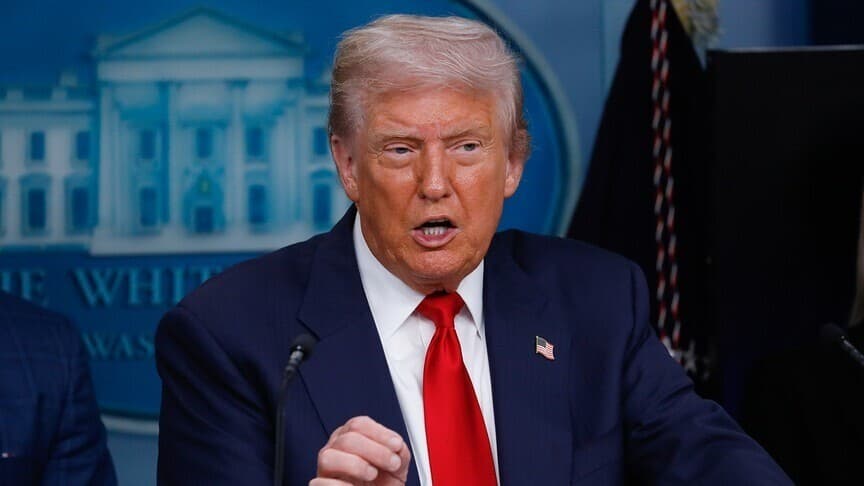
The Republican Party's defeat in the US midterm elections, according to Anadolu,has become a serious blow to Donald Trump's administration: voters expressed dissatisfaction with the cost of living, inflation, and the war with Iran. Trump himself acknowledged on Wednesday that the Iran war contributed to the Republicans' losses, but continued to defend his decision, telling the Wall Street Journal: 'I would do it again.' Even before the vote, analyst Jack Clayton predicted electoral punishment for a war that, in voters' view, further raised gasoline prices and the cost of living.
Diplomacy and strikes at the same time
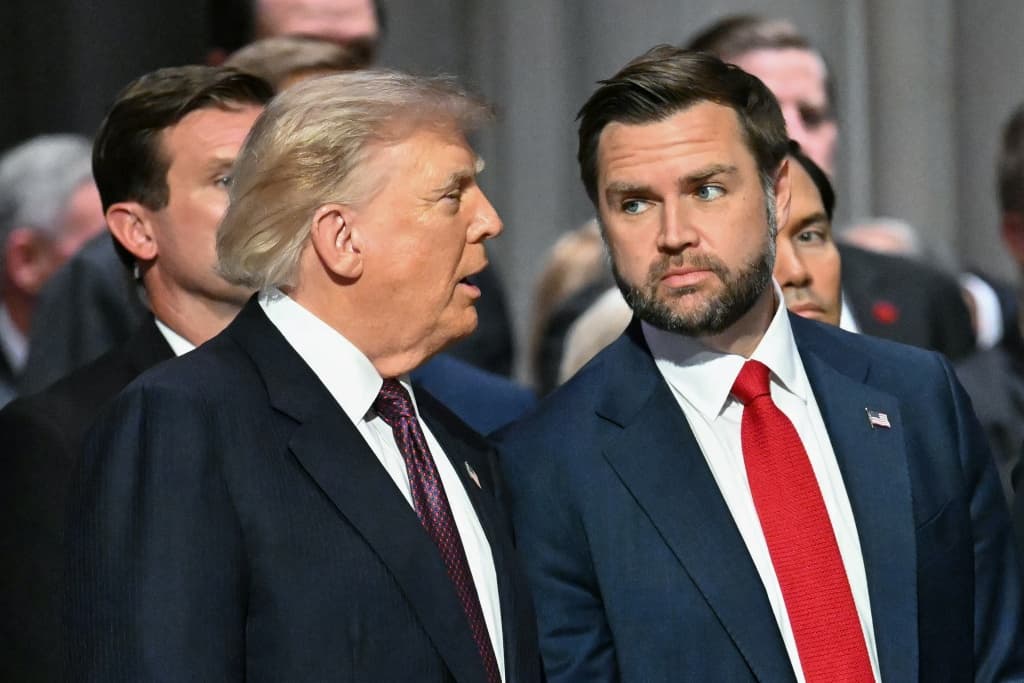
Clayton notes that Trump and Vice President JD Vance would have preferred a diplomatic solution: Vance sent a letter to the secretary of Iran's Supreme National Security Council, Mohsen Rezaei — not to Foreign Minister Abbas Araghchi — because, in the analyst's assessment, Washington considers Rezaei more influential in Iranian decision-making despite his reputation as a hardline conservative. Rezaei confirmed receiving the letter and said on Saturday that Washington's tone had changed; Araghchi called the contact constructive but ruled out an early meeting with American officials. The letter, according to available information, was sent to resume negotiations, including on the nuclear program, while Washington was considering further military action. Tehran is skeptical: after hostilities resumed following the collapse of the 14-point memorandum, in which Vance played a central role, Iran fears that inspections under a new agreement would give the US intelligence on the nuclear stockpile and its location. By Tuesday, Rezaei said the US response to Tehran's demands remained unconvincing. Meanwhile, on Monday American forces carried out limited strikes on Iranian forces using anti-aircraft missiles in the Strait of Hormuz; Iranian state media reported explosions on the islands of Qeshm and Hengam and near the port of Bandar Abbas.
The Netanyahu factor and aid to Israel
Clayton names Israeli Prime Minister Benjamin Netanyahu as a potential obstacle to diplomacy: he is reportedly pushing Trump to resume strikes. A new conflict could delay his departure from office, since after last week his bloc lacks a parliamentary majority, and a broad war would provide grounds to form an emergency coalition. At the same time, the analyst considers a new Israeli strike without US support unlikely and doubts that Trump would again back Netanyahu given the political cost of the war. On election day, Trump announced an agreement with Netanyahu to end roughly $4 billion in annual American military aid to Israel by the end of the year, without disclosing details; this contradicts the 10-year memorandum of 2016 on $3.8 billion in aid annually through September 2028. Trump said arms sales and other assistance could continue. Clayton also names Lebanon as a potential escalation point: Netanyahu could sabotage a possible US-Iran deal with strikes there, especially since Iran makes a halt to Israeli attacks on Lebanon a condition for diplomatic progress.
Two scenarios and the analysts' caution
Clayton sees two possible reactions to the defeat: Trump may become more cautious in military actions to avoid further political damage, or shift his focus to foreign policy while Congress constrains the domestic agenda. He considers a massive campaign on the scale of the war's outset unfeasible, but allows for further strikes as 'coercive diplomacy' to bargain for better terms. John Calabrese, a senior fellow at the Middle East Institute, on the contrary, warns against concluding that the election outcome will determine Trump's next move: 'Mixed signals from the White House, combined with uncertainty about the progress of diplomacy, make forecasting difficult.' According to him, Washington and Tehran are far from an agreement, both sides tend to see compromise as capitulation, and diplomacy and military pressure proceed in parallel — messages are conveyed through Qatar while tensions around the Strait of Hormuz persist, and reports of expanding American-Israeli target lists, including energy infrastructure, indicate that a new campaign could be more destructive than the previous one. 'My sense is that Trump is keeping both options open — pursuing a deal while preserving the military option,' Anadolu quotes him as saying.
What changes with Congress
The Democrats' victory will give them, starting in January, when the new congressional terms begin, greater opportunities to investigate the administration's actions and challenge its spending: control of both chambers allows for hearings, requests for information from officials, and challenges to funding, which could raise the political cost of a protracted conflict. However, as Anadolu notes, this will not automatically stop military operations nor resolve the long-standing dispute between Congress and the presidency over war powers. Calabrese concludes that the outcome of the crisis ultimately depends on whether the sides can agree on settlement terms: 'The positions of Iran and the United States on a potential deal remain far apart. If the differences cannot be overcome in the coming days, I fear that a resumption of hostilities may become inevitable.'