The key facts
- Democrats took control of the Senate and the House of Representatives in the November 3, 2026 midterm elections
- Trump acknowledged that the war with Iran and high fuel prices largely led to the Republicans' defeat, but said he 'would do it again'
- Vice President JD Vance stated outright: 'The reason for our defeat is the war'
Trump's admission and Vance's position
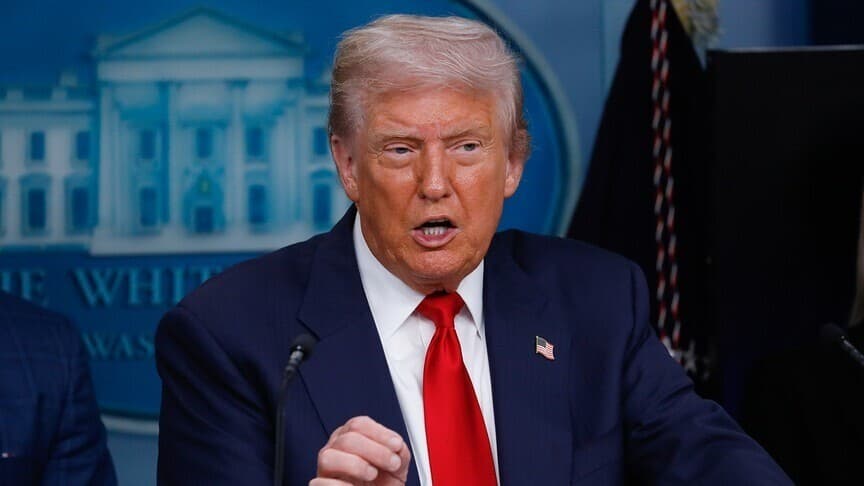
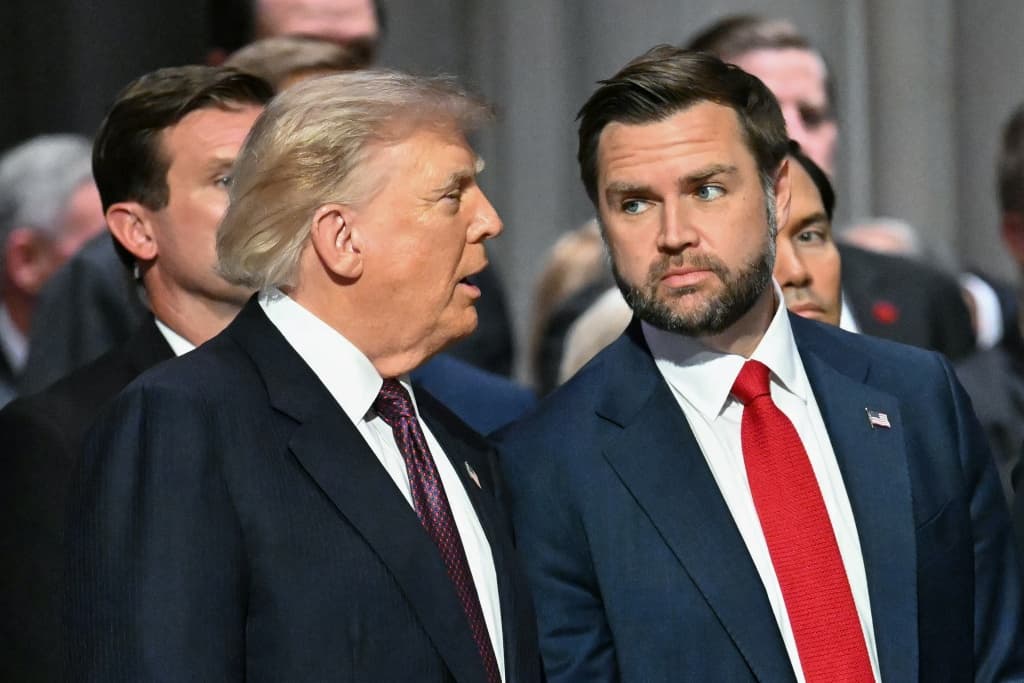
US President Donald Trump on Wednesday acknowledged that the war with Iran and the resulting rise in fuel prices are 'largely valid' as an explanation for the Republican Party's sweeping defeat in the midterm elections, in which Democrats won control of both the Senate and the House of Representatives. At the same time, as AFPreports, Trump repeated the statement he made immediately after polls closed on Tuesday: despite the electoral blow, he 'would do it again.' Vice President JD Vance, whom the outlet describes as a potential contender for the presidency in 2028, put it more bluntly: 'The reason for our defeat is the war. The president said so himself last night,' he wrote on X.
The economy as a voting factor
Many American voters cited the high cost of living and the war with Iran among the reasons for their vote. In response to the US and Israeli strikes on Iran, ongoing since late February, Tehran closed the Strait of Hormuz — a key artery of global energy transit — driving up oil prices. Charles Hall, head of the North Carolina Soybean Producers Association, told AFP that for traditionally reliable Republican voters, such as farmers, high energy costs 'simply lead to despair,' and noted a sharp shift toward the Democrats in his state: 'That tells me they were voting against something. If it's farmers, then most likely against high diesel prices.'
Differing assessments of the causes of the defeat
Not all analysts reduce the election outcome to Iran. James Lindsay, a senior fellow at the Council on Foreign Relations, told AFP that the Republicans' 'historic rout' occurred 'for reasons that go far beyond Iran,' calling the result a rejection of most of Trump's agenda: the president was elected in 2024 with a promise to make life more affordable, but over two years Americans, in his words, have found that life has become 'even less affordable.' At the same time, he noted that the war with Iran 'clearly played into this,' pushing up gasoline and diesel prices. Sina Toossi, a senior fellow at the Center for International Policy, on the contrary, described the president's position as a dead end: escalation 'offers no clear path to victory and risks further damaging his presidency,' while diplomacy is a potential way out.
What changes after the election
The practical consequence of the vote is the strengthening of war opponents' positions in Congress. Senate Democratic Leader Chuck Schumer said on Wednesday that the war with Iran 'must end,' and likely House Speaker Hakeem Jeffries expressed a similar position. Toossi noted that the new Democratic Congress will gain significant oversight and funding powers from January, further limiting Trump's options. What the future course will be — an attempt to quickly end the conflict or a continuation of the war — remains unclear. In Lindsay's assessment, a new round of intense strikes, even a short-term one, could provoke an Iranian retaliatory strike on targets across the Persian Gulf and 'spiral out of control,' while maintaining the naval blockade in the Middle East strains the US military machine, and negotiations have so far shown no clear progress: 'Either way, the president is in a difficult position.'