The key facts
- COP31 begins next week in Antalya (Turkey)
- Lagarde: this summer's heat in Europe caused more than 30,000 excess deaths
- Priorities: an EU reinsurance mechanism, grid modernisation and energy storage, decentralised energy supply
The Antalya summit as an opportunity for the economy
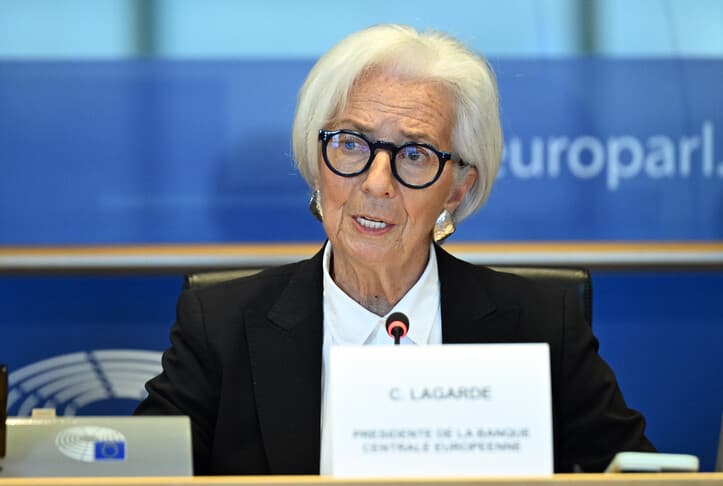
The upcoming UN climate conference COP31, which begins next week in Antalya, Turkey, is an opportunity to 'turn ambitions into action on a global scale,' said European Central Bank President Christine Lagarde in an article published ahead of the summit, Anadolu reports. According to her, the rising financial costs of climate change call for proactive measures to protect Europe.
The price of record heat
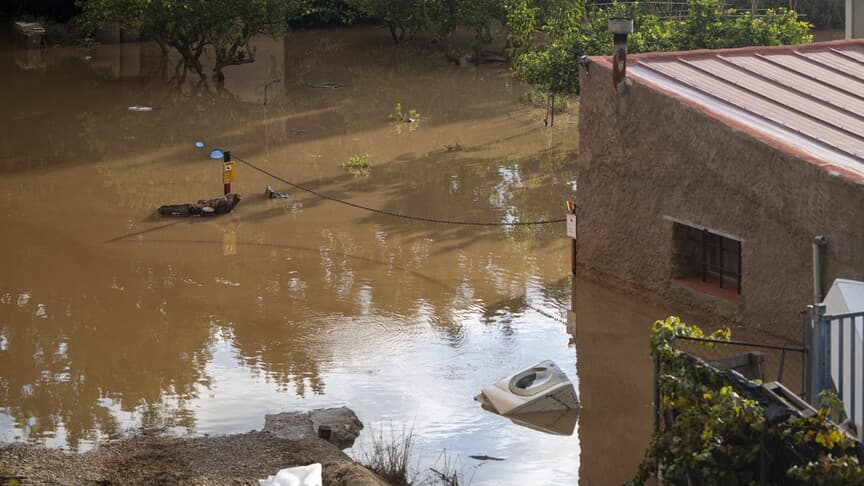
Lagarde recalled that Europe is warming roughly twice as fast as the global average, and this summer's record heatwaves, droughts and wildfires became 'a human and ecological tragedy' that claimed more than 30,000 excess lives. Fires destroyed 400,000 hectares in Spain and France, while record-low water levels in the Rhine and Danube disrupted shipping and reduced the cooling capacity of nuclear power plants.
Structural risks for the economy
The ECB assessed the immediate impact on eurozone GDP as temporary, but Lagarde stressed that short-term indicators understate the structural risks. Nearly three-quarters of eurozone companies are heavily dependent on nature, with water-related services the most vulnerable. Economic activity in affected regions falls by an average of 1.5% two years after a heatwave and by 3% four years after a drought. The drought has worsened agricultural prospects and could raise food inflation next year. Almost 12% of the eurozone's economic output lacks adequate flood protection, and insurance has historically covered only a quarter of catastrophic losses in Europe. The energy shock of the Middle East conflict, she said, interacted with the heat: demand for cooling rose, while low water levels limited hydro and nuclear power generation.
Three resilience priorities
To strengthen resilience, Lagarde named three European priorities: establishing an EU-level public-private reinsurance mechanism, modernising power grids together with energy storage, and allowing decentralised autonomous energy supply for businesses. By her estimate, every euro invested in grid modernisation saves more than 2 euros in other system costs, while storage will make it possible to shift cheap solar energy to evening peak-load hours. She concluded by calling for the creation of a savings and investment union to mobilise private capital for the green transition.