The key facts
- The Central Elections Committee ratified the results of the October 27 elections: Netanyahu's bloc — 53 seats, the opposition — 48, Arab parties — 19; 61 are needed for a majority
- The Central Elections Committee certified the October 27 election results: Netanyahu's bloc — 53 seats, the opposition — 48, Arab parties — 19; 61 are needed for a majority
- The Shin Bet claims there were 'foreign influence campaigns', but, according to Israeli media, it has presented no evidence
- Attorney General Gali Baharav-Miara warned that interrogating deputies without evidence is impermissible; the opposition calls what is happening an attempt to 'crush democracy'
- Attorney General Gali Baharav-Miara warned that interrogating lawmakers without evidence is unacceptable; the opposition calls what is happening an attempt to 'crush democracy'
Dispute over the election results
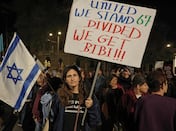
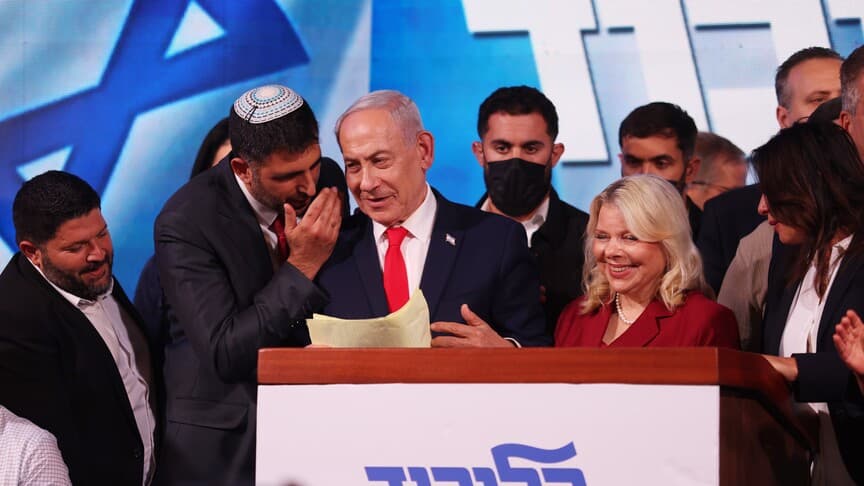
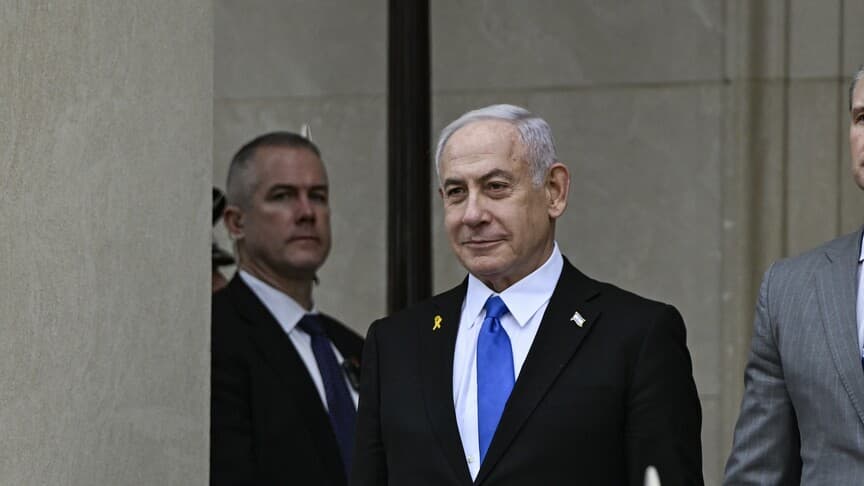
Israel is heading toward a constitutional crisis: interim Prime Minister Benjamin Netanyahu is escalating a campaign to challenge the results of the October 27 elections, while opposition politicians accuse him of trying to 'crush democracy'. This is reported by The National.
The Shin Bet's role and the attorney general's response
The escalation was triggered by a report that the head of the internal security service Shin Bet, David Zini,— appointed by Netanyahu and described by the outlet as 'messianic' — intends to interrogate four Arab politicians, accusing them of taking part in a large-scale externally funded campaign to influence the elections. No evidence has been presented, while the Central Elections Committee (CEC) consistently confirms the validity of the vote. On Tuesday evening, Attorney General Gali Baharav-Miara made a rare statement, accusing the Shin Bet chief of undermining the rule of law: 'In a country where the rule of law prevails, it is impossible to interrogate citizens or elected officials without evidence justifying it,' her statement said. On Wednesday morning, the Shin Bet again told the CEC that its intelligence points to 'significant foreign influence campaigns' with major funding and the involvement of 'thousands of people and possibly more'; however, according to Israeli media, the agency still has not presented any evidence.
The results and the Central Elections Committee's position
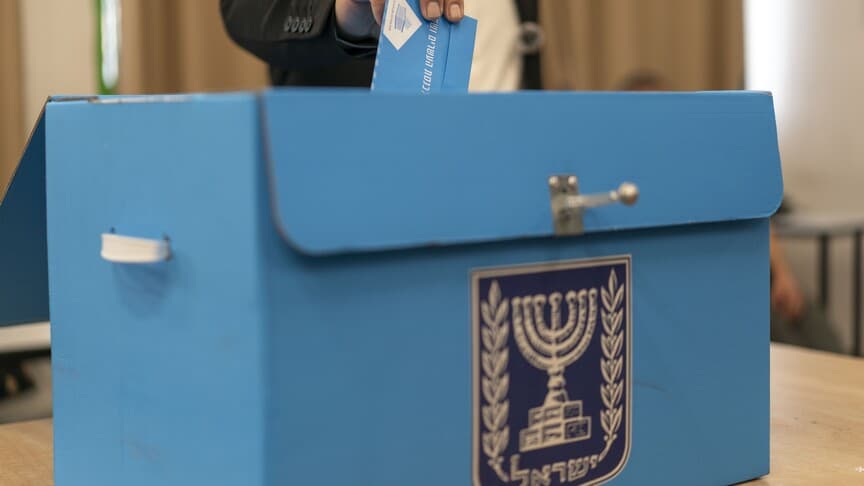
On Wednesday, the CEC ratified the election results, reiterating that it had found no evidence of any compromise of the vote: claims of irregularities are being examined but provide no grounds to annul the outcome. Committee chairman Judge Noam Sohlberg, handing the results to President Isaac Herzog, stressed: 'Public trust in the electoral process is a precious asset… Election results determined in accordance with the law are binding on all of us.' According to the vote, Netanyahu's bloc won 53 seats (down from 64 in 2022), the opposition bloc — 48, and the Arab parties — 19 seats in the Knesset, potentially making them 'arbiters' of coalition negotiations, although many in both the opposition and Netanyahu's camp have ruled out cooperation with them. Likud remained the largest party with 27 seats; 61 seats are needed to form a government.
The accusations and the parties' reactions
The opposition saw in the attorney general's warning a sign that Netanyahu is acting through loyalists in the security apparatus to cling to power. The leader of the Democrats party, Yair Golan, said: 'Zini has turned the Shin Bet into a political instrument serving Netanyahu's campaign to undermine the election results.' Yair Lapid called what is happening 'an attempt to crush democracy and steal the elections with the help of government loyalists embedded in the security system.' Far-right National Security Minister Itamar Ben-Gvir, by contrast, urged Zini to ignore the attorney general and 'arrest all the heads of the Arab parties and interrogate them in the Shin Bet's basements.' The chairman of the Arab Joint List, Yousef Jabareen, called this a call for a coup: 'This is how totalitarian regimes act.' The campaign to delegitimize Arab voters, as The National notes, was waged by Netanyahu's coalition even before the elections and intensified after record turnout in that community.
What is happening with the formation of the government
The standoff has coincided with the start of a delicate process: President Herzog has begun mediating the formation of a new government, since neither bloc won a majority. Many commentators predict that Herzog will give the leader of the opposition bloc Gadi Eisenkot the first chance to form a coalition; there are concerns that Netanyahu will resort to extreme measures to derail the process. Thus, the confirmed change in the situation is this: Netanyahu's bloc lost 11 seats compared with 2022 and lost its parliamentary majority, and the dispute over the legitimacy of the vote is unfolding precisely at the moment when it is being decided who will receive the mandate to form a government.