The key facts
- Netanyahu said there were 'serious suspicions' of foreign state interference, without naming any country or presenting evidence
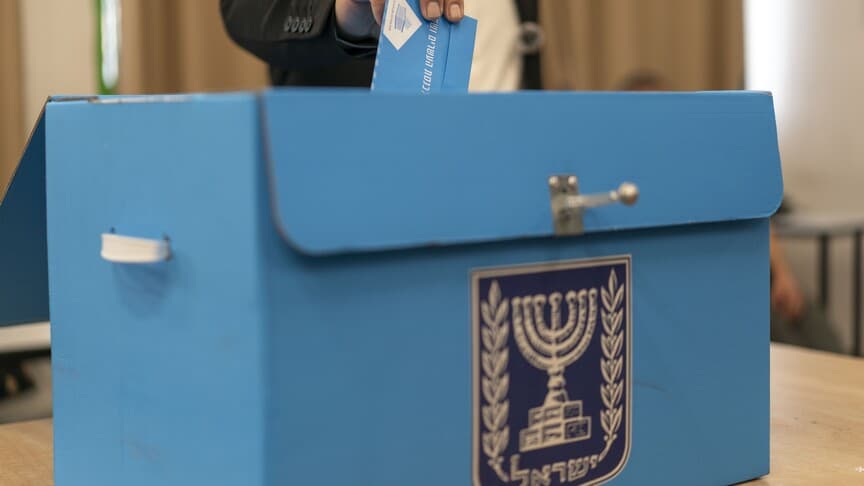
- The elections committee had earlier confirmed the election results, finding no violations of voting integrity
- No bloc won a majority in the 120-seat Knesset: Netanyahu's bloc has 53 seats, the opposition 48, and Arab parties 19
Statement following the confirmation of the results
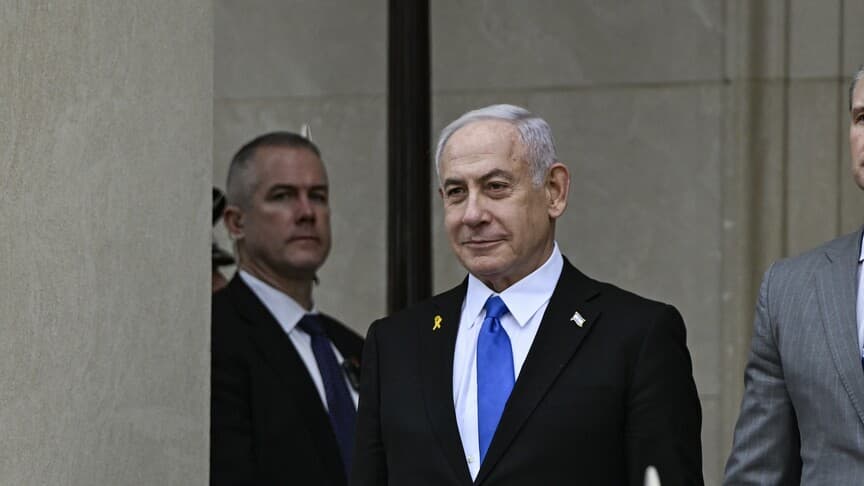
Israeli Prime Minister Benjamin Netanyahu, on Wednesday, just hours after the Central Elections Committee officially confirmed the results of the parliamentary elections, said in a video address that there were 'serious suspicions' that foreign states had spent enormous sums of money to influence the outcome of the vote. At the same time, he did not name a single country and presented no evidence for his claims, Anadolu reports, citing the Israeli newspaper Yedioth Ahronoth.
Shin Bet review despite confirmed results
The position of the electoral bodies and the prime minister's statement diverge on one key point. The committee had earlier announced the same day that it had found no violations indicating an undermining of the integrity of the vote or a change in the results. According to Netanyahu, committee chair Noam Solberg instructed the internal security service, the Shin Bet, to conduct an investigation, and the prime minister himself demanded that any obstacles to the review be removed: 'We must get to the whole truth, without concealment and without delay.' The Shin Bet, for its part, told the committee that it needed to continue the investigation in order to establish the scale of the alleged foreign funding and influence attempts.
Context: government negotiations
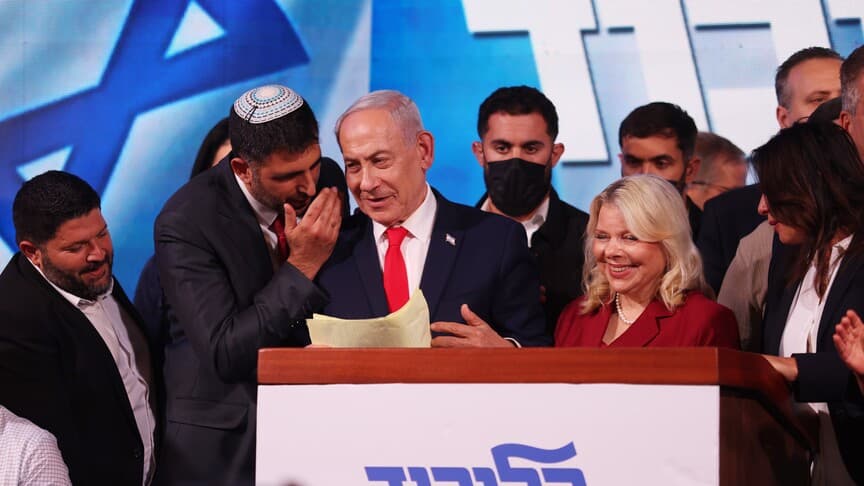
The statement came against the backdrop of consultations launched by President Isaac Herzog with parliamentary factions on whom to task with forming the next government. In the October 27 elections, Netanyahu's bloc won 53 mandates, the opposition parties led by Yashar leader Gadi Eisenkot won 48, and the Joint List and the Arab party Raam won 19. Neither of the two main blocs secured the necessary 61 seats out of 120 in the Knesset.
Faction recommendations and mutual accusations
During Wednesday's consultations, the Religious Zionism party and the ultra-Orthodox Shas recommended Netanyahu, Yisrael Beiteinu backed Eisenkot, and Raam decided to recommend Eisenkot ahead of its meeting with Herzog on Thursday. At the same time, Netanyahu once again called for a broad government to be formed under his leadership and accused opposition leaders of trying to create a minority government relying on 'Islamist parties' which, in his words, 'support terrorism.'