The key facts
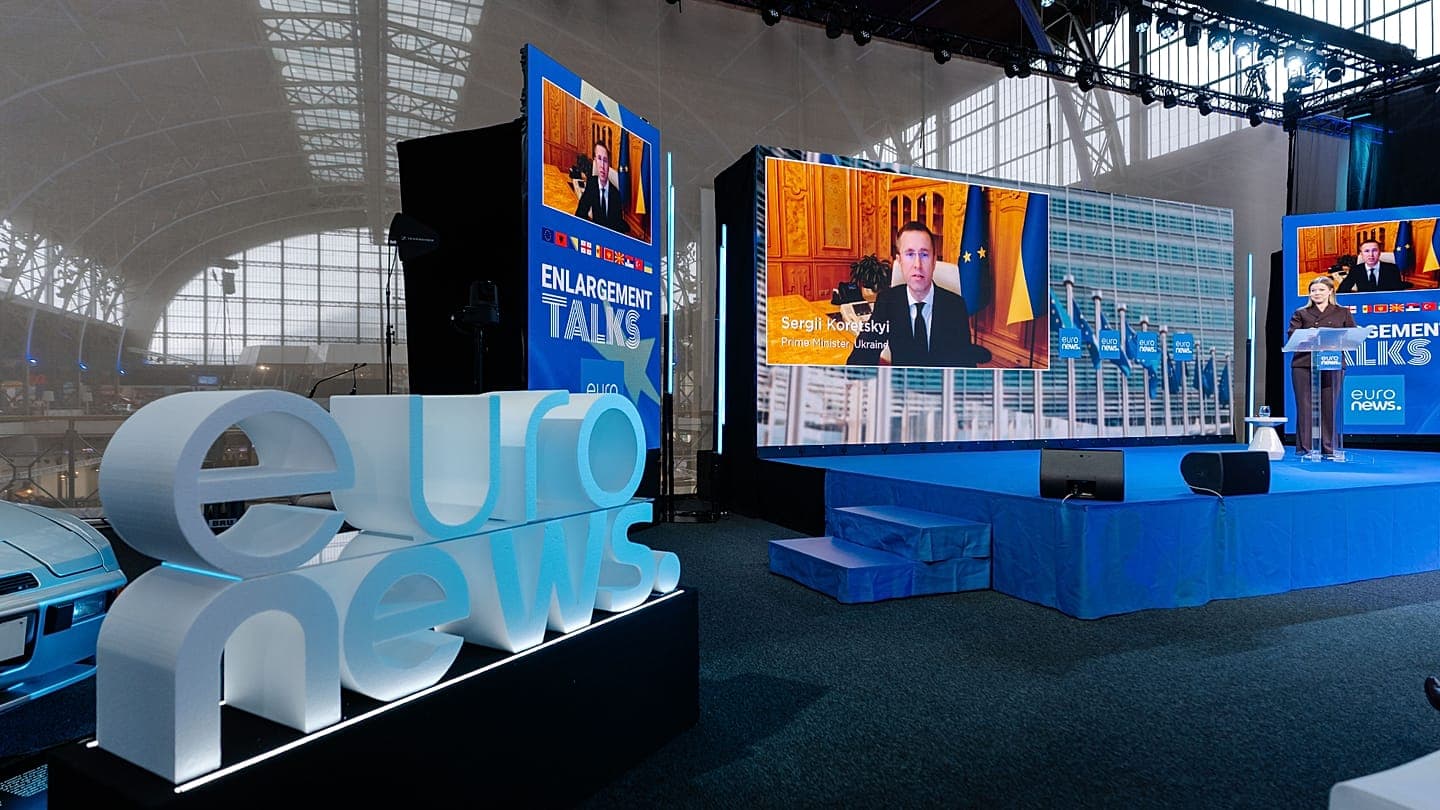
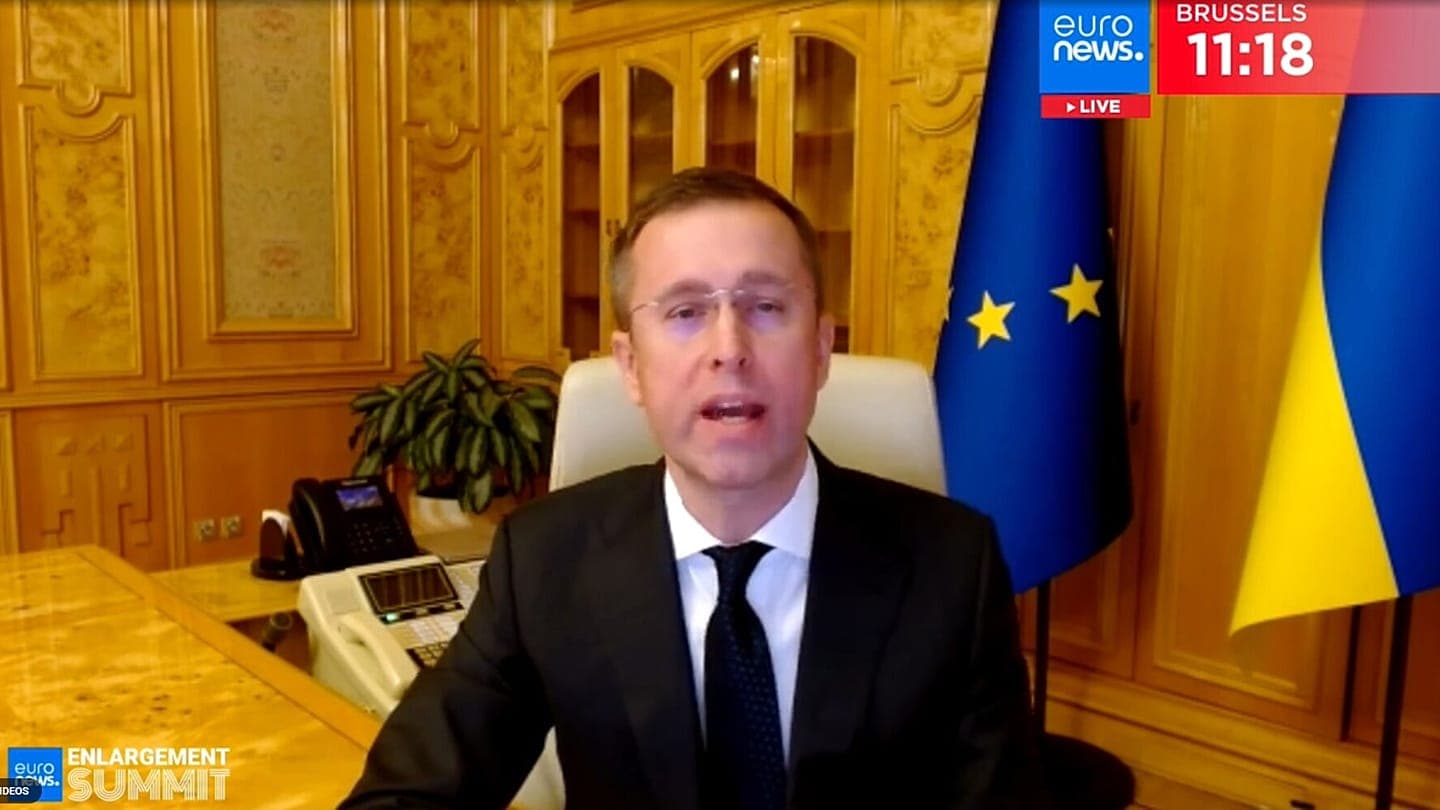
- The Euronews Enlargement Summit 2026 opened in Brussels with the participation of leaders from Ukraine, Albania, Moldova, Georgia, North Macedonia, Armenia, Montenegro, Croatia and the European Council
- On 4 November, the European Commission will present annual reports on the candidates and roadmaps for the four 'favourites'
- Montenegro is closest to accession, but negotiations are complicated by a bilateral dispute with Croatia
Candidate leaders gather in Brussels
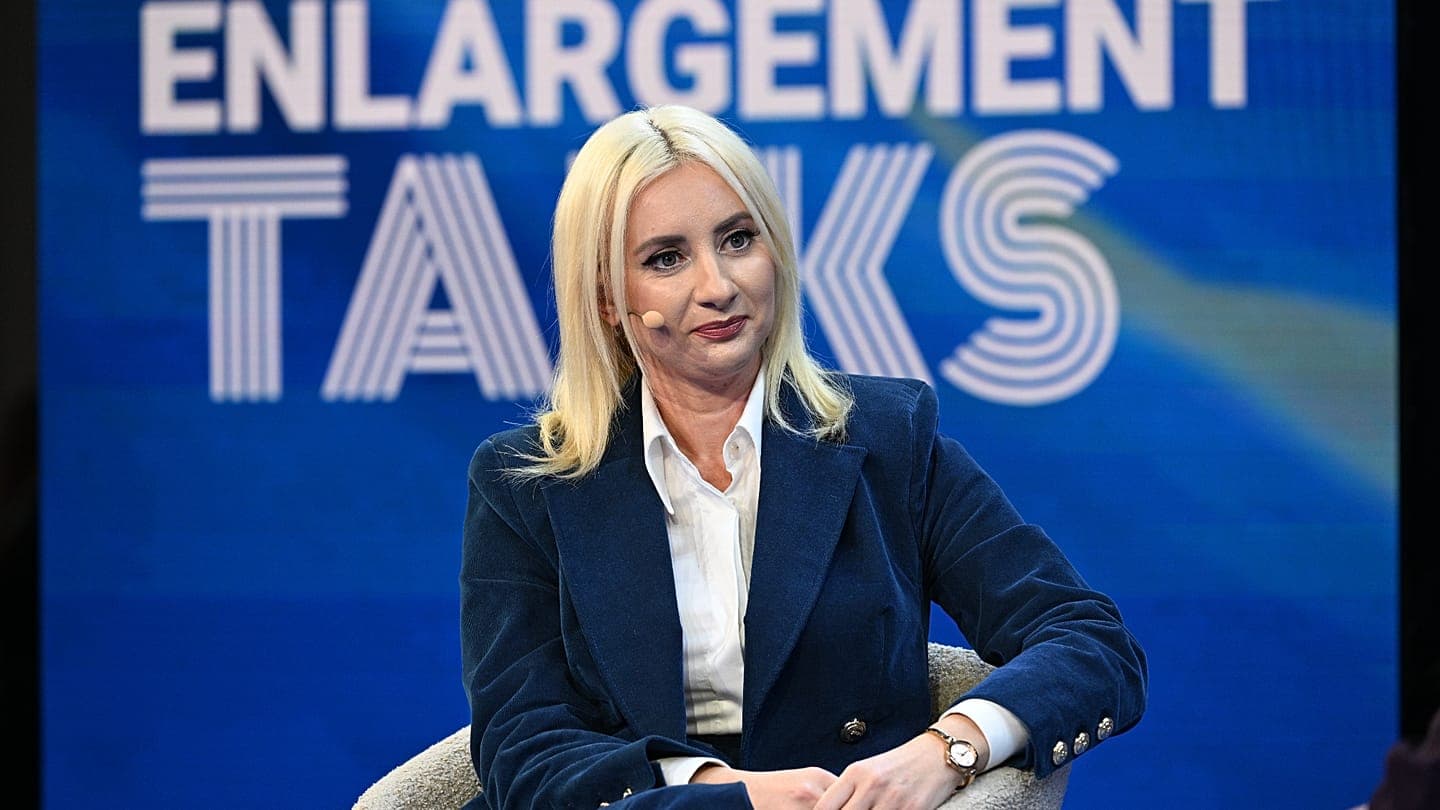
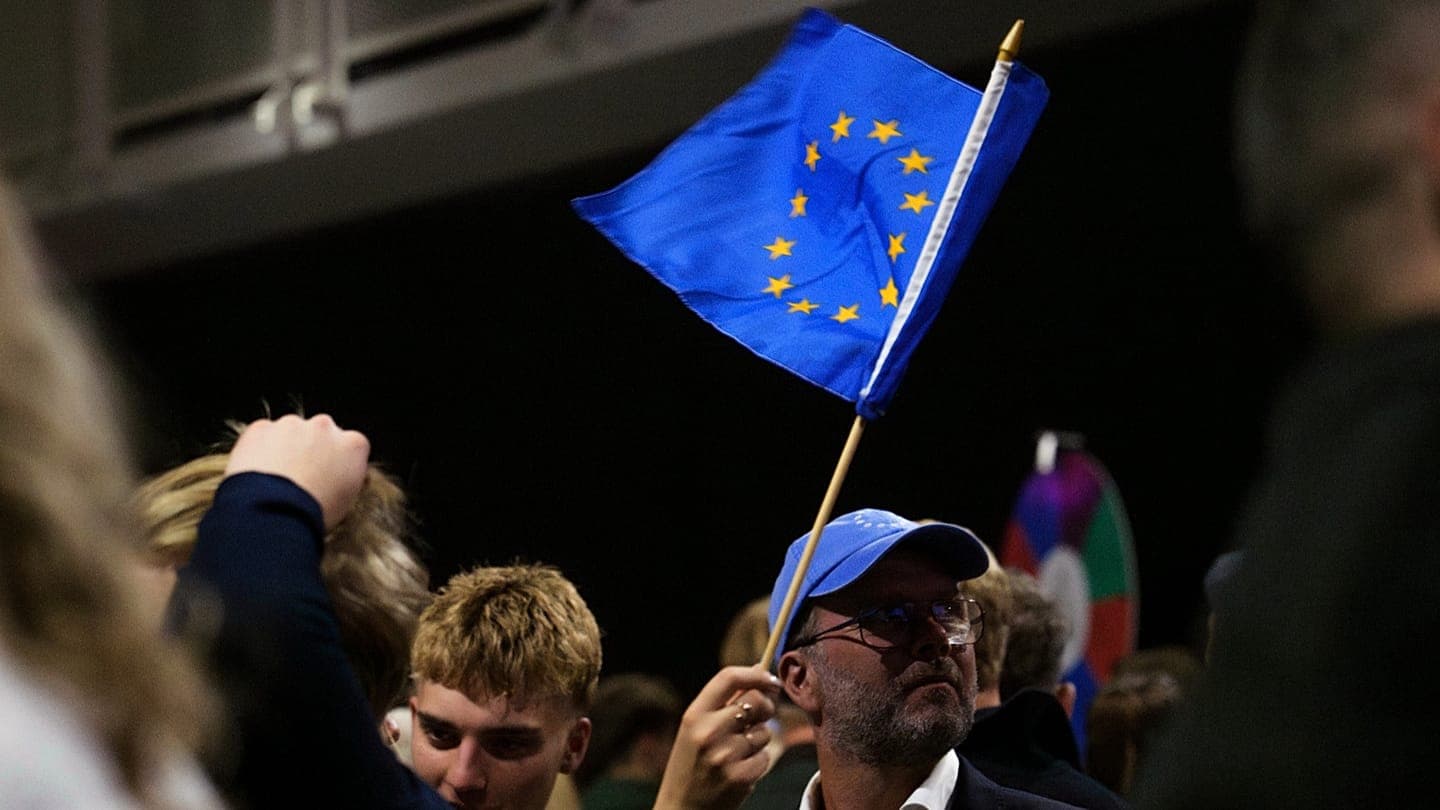
In Brussels, the Euronews Enlargement Summit 2026has opened, dedicated to the enlargement of the European Union. According to Euronews, it is attended by the leaders of Ukraine, Albania, Moldova, Georgia, North Macedonia, Armenia, Montenegro and Croatia, as well as the President of the European Council. The event is taking place at Autoworld near the Schuman square from 10:30 Central European Time and is timed to a 'significant moment' in the discussion of the EU's future growth.
A race with a widening gap
As Euronews enlargement correspondent Luka Bertucci notes, European Commission officials have made enlargement a key element of the EU's foreign policy, offering neighbours the prospect of membership in order to pull them into their orbit — and out of Russia's influence. Ten years after the Brexit referendum, Brussels is trying to turn the enlargement momentum into concrete results.
Front-runners and laggards
On 4 November, the European Commission will present its annual 'package' with reports on the progress of candidate countries and roadmaps for the four 'favourites' — Montenegro, Albania, Moldova and Ukraine. The roadmaps will be a 'living document', updated annually, with milestones that candidates must reach in the coming year. According to Euronews, these documents risk widening the gap with candidates whose applications have been stalled for years — North Macedonia and Georgia. The Commission also plans to describe step-by-step integration in more detail and to launch separate dialogues with the front-runners.
Ukraine: reforms under fire
Negotiations with Ukraine are in the spotlight due to the escalation of Russia's aggression; Kyiv's application was submitted after the full-scale invasion of 2022. Ukraine's Representative to the EU, Taras Kachka, said on Europe Today that Kyiv is carrying out the reforms needed for accession 'faster and better' than ever before, while acknowledging the challenges related to the security situation. Formal progress has been made possible in part by the change of government in Hungary: previously, Viktor Orbán was holding up the process. Ukraine is expected to open all negotiating clusters by the end of the year. At the same time, EU member states have serious concerns about how Ukraine will integrate its agricultural sector into the common market; Kachka allowed for 'difficult negotiations' but sees no 'problem' for accession overall. A separate issue is the anti-corruption investigationsinvolving Volodymyr Zelensky's circle.
Montenegro at the finish line
Montenegro is closest to accession, expecting to become the EU's 28th member by 2028. Head of Montenegro's mission to the EU, Petar Marković, told Europe Today that officials in Podgorica worked on reforms even over the summer in order to stay on schedule. The process is complicated by a bilateral dispute with Croatia, which has its roots in the Yugoslav wars of the 1990s. 'We are also holding intensive negotiations with our closest EU member state and neighbour, Croatia, to resolve open issues of mutual interest, and we are confident that this will be done in a way satisfactory to both sides,' Euronews quotes him as saying.
What else is happening around enlargement
Albania, usually seen as the 'silver medallist' of the race, is experiencing mass protests over plans to build a luxury resort in a protected area, designed by Jared Kushner, the son-in-law of US President Donald Trump. Moldova, according to Euronews, is catching up with the leaders so quickly that the European Commission has had to redistribute internal resources to keep up with Chișinău, which is close to closing a chapter that it only recently opened. In addition, the European Commission has proposed institutional guarantees for new members — they are being discussed in the context of Montenegro's accession treaty, which is meant to serve as a model for how Brussels will work with future newcomers.