The key facts
- Armenia plans to apply for EU membership in 2027 or 2028, while Georgia has remained frozen since 2024
- Montenegro expects to become the EU's 28th member by 2028 but rejects a 15-year probation period with the possible suspension of voting rights
- Montenegro expects to become the EU's 28th member by 2028 but rejects a 15-year probation period with the possibility of suspending voting rights
- The Commission proposed excluding some Ukrainian agricultural products from the EU market — Kyiv rejected this; Moldova is moving faster than the European Commission can keep up
- The Commission proposed excluding part of Ukrainian agricultural products from the EU market — Kyiv rejected this; Moldova is moving faster than the European Commission can keep up
The EU is closer to enlargement than at any point in the last decade, but obstacles remain
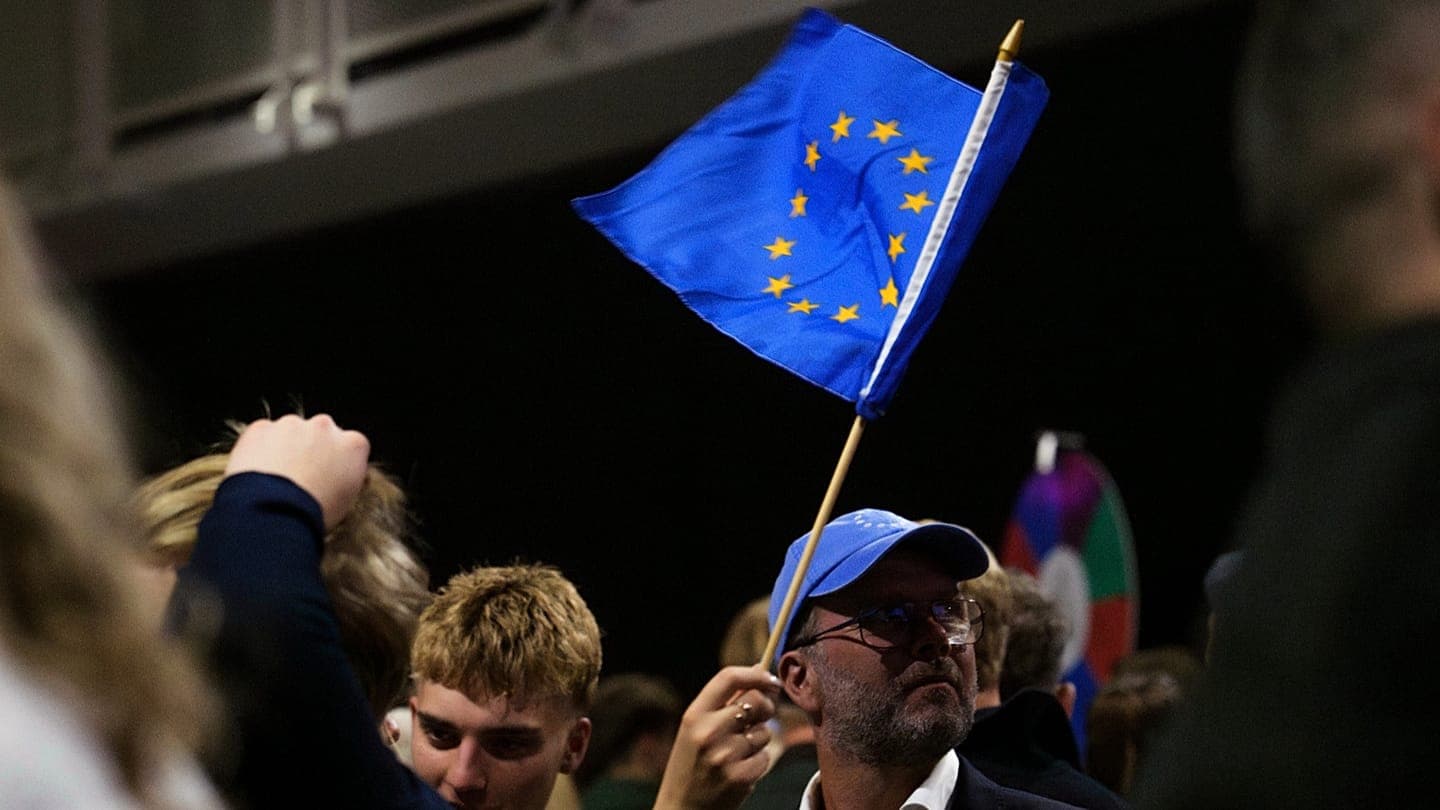
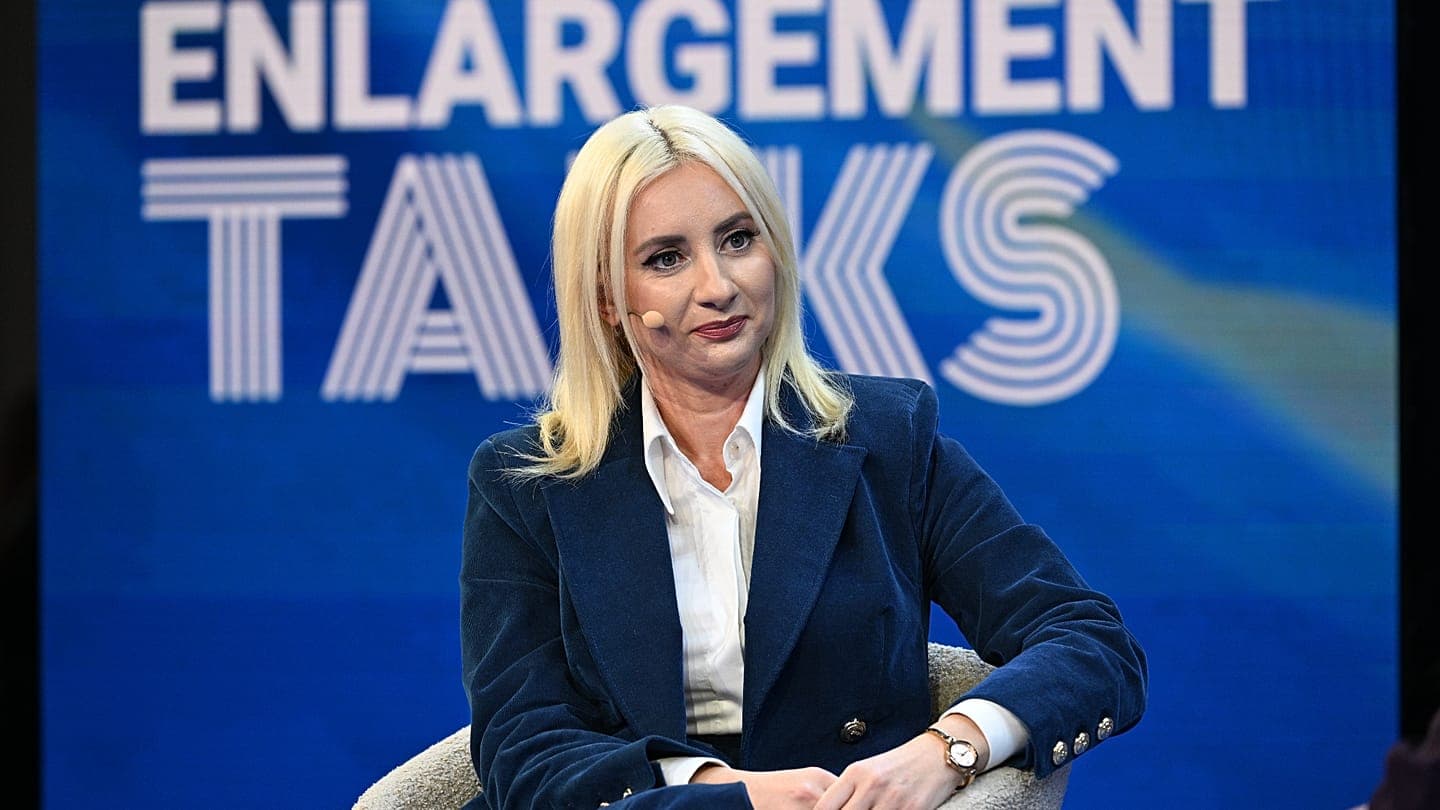
At the Euronews enlargement summit held in Brussels, leaders of candidate countries from the Western Balkans to the South Caucasus discussed the prospects of joining the European Union. According to the organisers, the bloc is closer to enlargement than at any moment in the past decade, yet political obstacles could derail the process. European Council President António Costa said in a written address that 'the ambition to join the European Union must help overcome historical grievances' and that enlargement benefits everyone. Euronews published an overview of the discussion.
Armenia and Georgia are moving in opposite directions
In the South Caucasus, the trajectories of the two neighbours have diverged. Armenia's Prime Minister Nikol Pashinyan called it 'realistic' to formally submit an application for EU membership in 2027 or 2028, describing the European Union as the main path to protecting his country's democracy after the 2018 revolution. He acknowledged that he understands the trade-off between joining the EU and maintaining membership in the Russia-led Eurasian Economic Union, and said the choice would remain with the Armenian people.
Georgia: no plan, but hope that the EU will change
Georgia's application, by contrast, has been frozen since 2024 over its controversial 'foreign agents' and 'family values' laws. Prime Minister Irakli Kobakhidze told the summit that he remains 'very committed' to accession, but when asked how negotiations could be restarted, he offered no concrete plan. He said Tbilisi does not intend to repeal the laws, accused the European Commission of double standards and 'political blackmail', and, when asked why Georgia still needs the EU, replied that he is 'optimistic' that the bloc itself will change — both in its attitude towards Georgia and in general.
Montenegro rejects 'second-class' membership
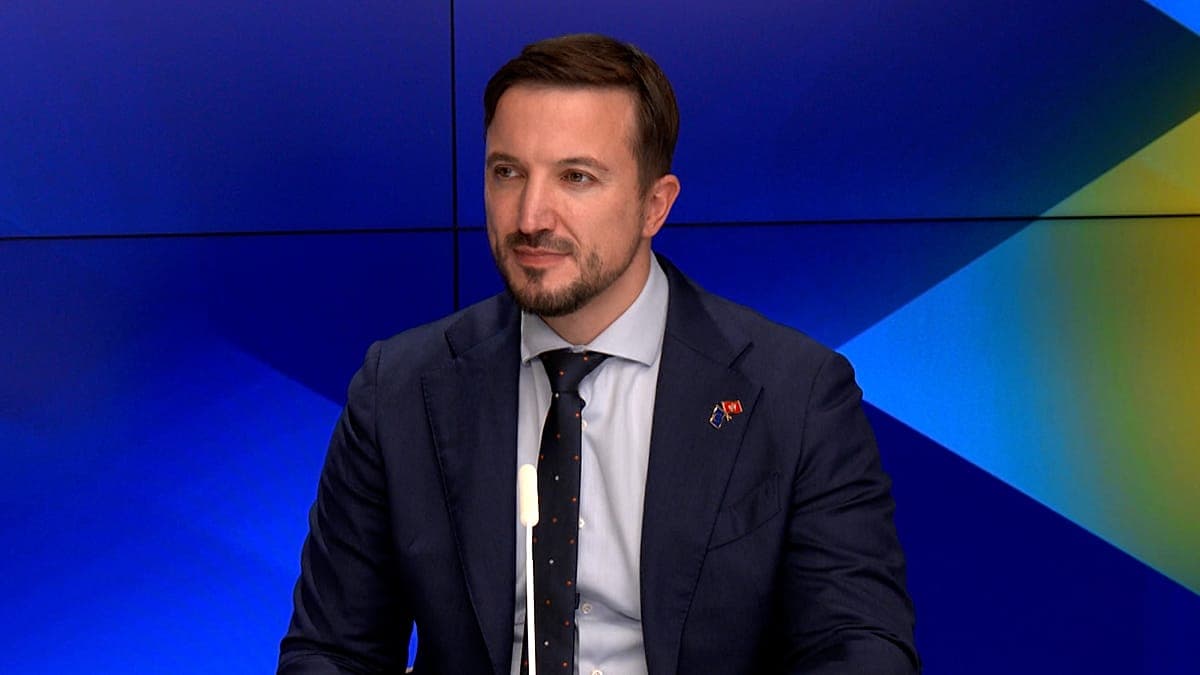
Montenegro, the frontrunner in the race, expects to become the EU's 28th member by 2028. European Affairs Minister Maida Gorčevič said the country will not accept 'second-class' membership, although the government is not opposed to additional oversight mechanisms. This refers to the scheme proposed by the Commission last month: a 15-year probation period for new members, which in the most serious cases could lead to the suspension of voting rights. She also said that Podgorica is working to resolve bilateral issues with Croatia, although the border dispute could be settled even after accession.
Croatia warns about the French elections, the Balkans move at different speeds
Croatia's Prime Minister Andrej Plenković warned that the upcoming elections in France, where eurosceptics lead the polls, could derail enlargement: 'Political events could affect enlargement more than anyone can imagine today.' He also criticised setting rigid accession deadlines. Albania, the second-closest candidate, confirmed its goal of concluding negotiations by the end of 2027; Prime Minister Edi Rama called for a 'Helmut Kohl moment' for the EU and warned that a new Serbian leadership is unlikely to soften its refusal to recognise Kosovo. He also said that the controversial migration deal with Italy on transferring migrants will remain in force as long as Giorgia Meloni is in power. North Macedonia, by contrast, has been stalled for years over its dispute with Bulgaria: President Gordana Siljanovska-Davkova said the country's European hopes have been 'taken hostage' by Bulgaria, which demands constitutional changes recognising a Bulgarian minority.
Ukraine rejects permanent restrictions, Moldova outpaces Brussels
Ukraine's Prime Minister Sergiy Koretsky rejected the Commission's proposal, made under pressure from a number of member states, to exclude certain agricultural products, including wheat and grain, from the EU market even after full membership. 'Transitional measures may be part of enlargement, but they must take specific risks into account… They cannot become a permanent restriction,' he said, adding that Kyiv aims to begin closing negotiation chapters in the first half of 2027. According to Euronews, Moldova has quickly joined the group of leaders, carrying out reforms at a pace the European Commission struggles to keep up with: the country may find itself ready to close chapters before all clusters are formally opened. Prime Minister Vasile Tofan refused to view this as a 'race' with Ukraine, noting mutual acceleration. He was unable to attend the summit in person due to a massive cyberattack that compromised the data of around 750,000 people: the government suspects a 'state actor' is behind it, and 'the list of suspects is not very long.' On NATO membership, he said the government would 'firmly support' it, but there is no majority in parliament to change the constitution, which enshrines neutrality.