The key facts
- Brent rose by about 56.5% from pre-war levels, gasoline in the US by almost 40%
- CREA estimates additional consumer fuel costs at $468 billion, of which about $160 billion falls on the US
- 74% of Americans are seriously concerned about gasoline prices, versus 43% in January
Oil shock on the eve of the elections
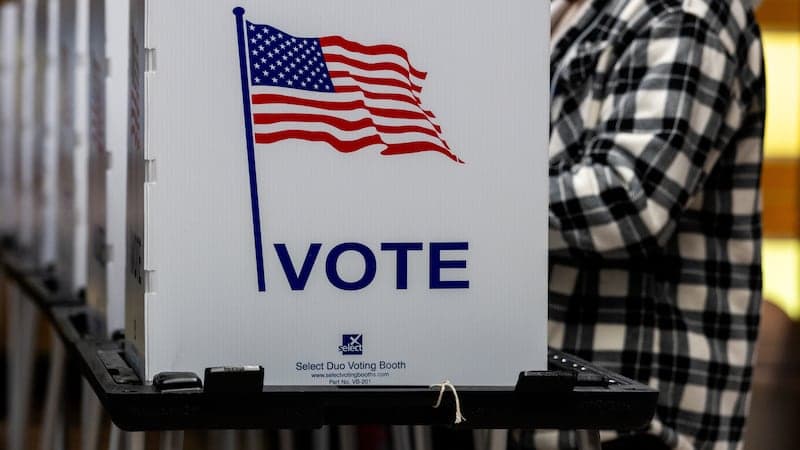
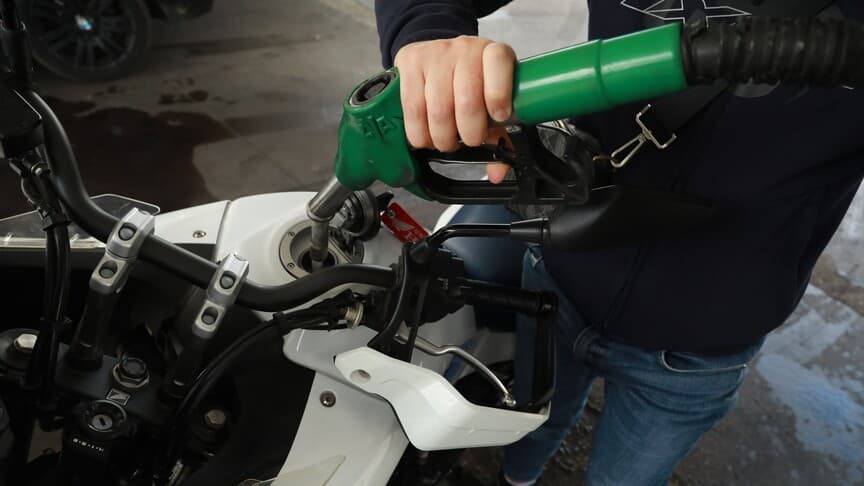
The rise in fuel prices caused by the war of the United States and Israel against Iran could complicate the Republican Party's position in the midterm elections on November 3, writes Anadolu. Brent, which stood at $72.48 per barrel before the conflict began, rose above $126, and at the close of the week ending October 30 settled at $113.43 — an increase of about 56.5%. The average gasoline price in the United States, according to the American Automobile Association, rose from about $2.98 per gallon to $4.17 as of November 1, that is, by almost 40%.
Who pays and how much
According to an estimate by the Centre for Research on Energy and Clean Air (CREA), the shock caused by disruptions in the Strait of Hormuz added $468 billion in fuel costs for consumers worldwide; the United States accounts for about $160 billion, or nearly a third of the total. A Pew Research Center poll published on October 30 showed that 74% of Americans are seriously concerned about gasoline and energy prices — up from 60% in July and 43% in January. Pressure on Donald Trump's administration is mounting also because he repeatedly promised to lower energy prices.
Expert opinions: politics and reserves
Francesco Sassi, a postdoctoral researcher at the University of Oslo, believes the war has undermined the notion of US energy independence, and that expensive energy will 'inevitably' hurt the Republicans in the elections; in his words, he does not expect prices to fall any time soon. Julien Mathonnière, an oil markets economist at Energy Intelligence Group, recalled that in March, under a decision coordinated with the IEA, the United States planned to release 172 million barrels from the strategic reserve over four months; these deliveries are ongoing, and stocks have fallen to 283 million barrels — the lowest level since 1982. In his view, short-term tools are exhausted, and 'only diplomacy removes the risk premium': the proposal being discussed in Tehran to open the Strait of Hormuz in exchange for lifting the American blockade matters more than any reserves. He also noted that US gasoline demand fell by about 4% over the summer.
Market outlook
Paolo Scafetta, senior analyst at ICIS, expects continued uncertainty and volatility in oil prices, although RBOB gasoline futures could decline amid weakening demand and supply. A gradual restoration of flows through the Strait of Hormuz and a possible end to the Russia-Ukraine war could ease pressure on gasoline and diesel markets, but regional price disparities and rising freight costs continue to disrupt fuel trade.