The key facts
- Americans vote in midterm elections that could limit Trump's military options
- Americans are voting in midterm elections that could limit Trump's military options
- Overnight into Tuesday, the US struck the island of Qeshm, destroying an Iranian air-defence launcher
- The talks in Doha yielded only a draft agreement based on Iran's seven-stage proposal
- Talks in Doha yielded only a draft agreement based on Iran's seven-stage proposal
An election that could change the course of the war
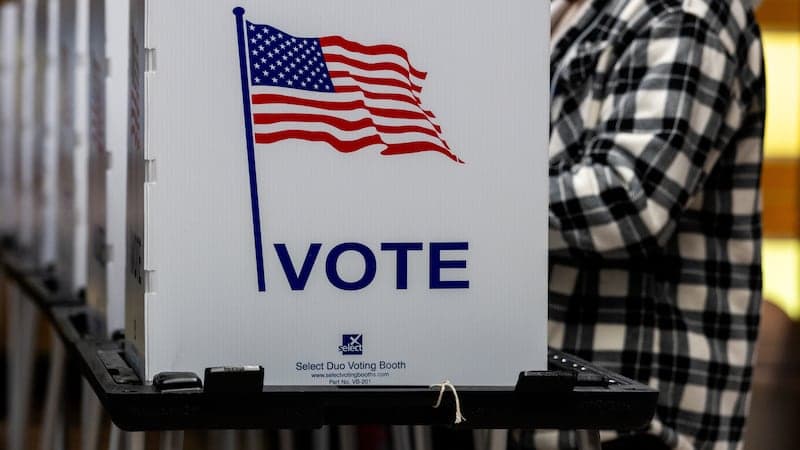
On Tuesday, Americans vote in the congressional midterm elections, which could determine the next phase of the war with Iran. As The Nationalnotes, the conflict has become an increasingly heavy political burden for the White House: it is the war that is being blamed for rising prices of fuel, housing and groceries, affecting millions of voters. Analysts believe that if the Republicans lose control of even one chamber, President Donald Trump's options will be limited — funding and political support for a new military campaign will become harder, although he will retain the right to order strikes.
A limited strike on the eve of the vote
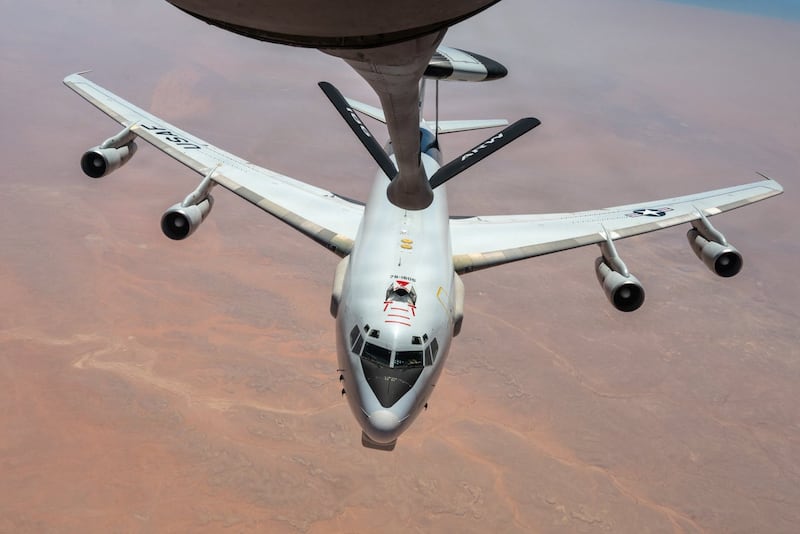
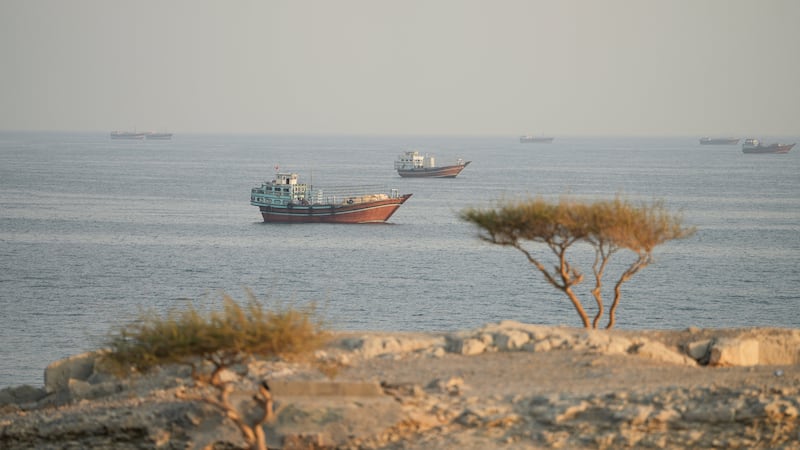
Overnight into Tuesday, US forces struck the Iranian island of Qeshm in the Strait of Hormuz, citing American officials. The attack appeared limited: a single fighter jet destroyed an Iranian surface-to-air missile launcher. This came after Tehran announced it had shot down an American MQ-9 Reaper drone east of the strait. Sina Toossi, a senior fellow at the Center for International Policy, questioned why US authorities are publicly discussing supposedly
Diplomacy without a breakthrough
The Qatari negotiating channel in Doha produced only a draft agreement: Iranian negotiators left the Qatari capital after three days of talks, and Qatari mediators travelled to Tehran to continue consultations. At its core is Iran's seven-stage proposal: Washington lifts the blockade of Iranian ports, Tehran opens the Strait of Hormuz, the US eases restrictions on the sale of Iranian oil and does not impose new sanctions. The gap remains significant: Iran demands the lifting of sanctions before substantive talks on its nuclear programme, while Washington insists on verifiable concessions. Another channel was opened by a letter from Vice President JD Vance to the secretary of Iran's Supreme National Security Council, Mohsen Rezaei, but Tehran has yet to give a formal response. Secretary of State Marco Rubio said that Trump has not set deadlines for the talks and has not made a decision on new strikes.
The cost of continuing the war
US military stockpiles are depleted: according to reports, Thaad interceptor stocks have fallen to 80%, Patriot to 65%, and Tomahawk cruise missile stocks have also been significantly reduced. The cost of the conflict is estimated at roughly $47 billion, and a new campaign would increase it. Iran, moreover, does not need to match American capabilities: missile and drone attacks, threats to US facilities and disruption of shipping force Washington and its partners to expend costly defensive weaponry. For the Gulf states, the continued disruption of shipping through the Strait of Hormuz threatens energy exports and trade. Amos Hochstein, a former adviser to the Joe Biden administration, speaking in Abu Dhabi, warned that without a clear end to the conflict, the US could leave the Iranian regime angry and vengeful — a permanent threat to allies in the Gulf — and urged pursuing a settlement through negotiations.