The key facts
- Fighting around Taiz has been going on for a fourth month; authorities are warning residents of sniper fire from the surrounding hills
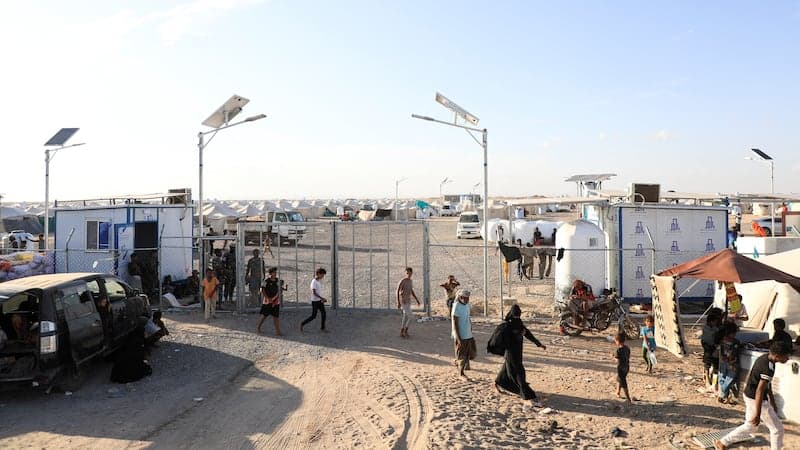
- About 134,000 people have been displaced within Taiz province — nearly half of the more than 319,000 displaced in western Yemen (IOM, November 1, 2026)
- About 134,000 people have been displaced in Taiz province — nearly half of the more than 319,000 displaced in western Yemen (IOM, November 1, 2026)
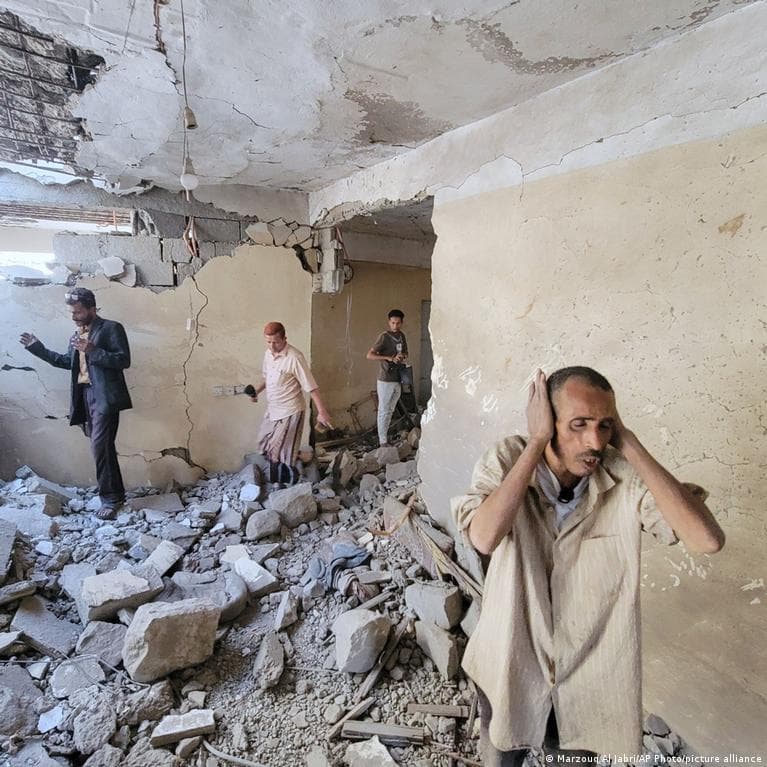
- According to the WHO Health Cluster as of October 25, 2026, at least 1,677 people have been killed and 7,395 wounded across Yemen
Taiz under siege again
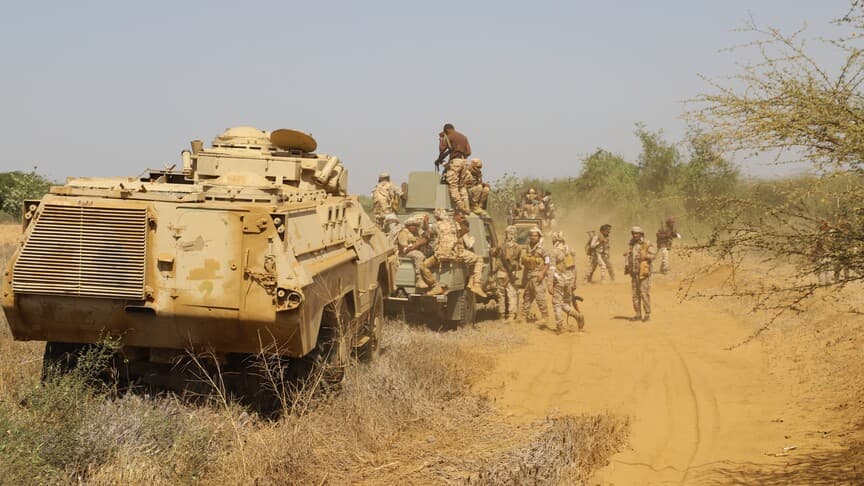
Fighting between the Iran-backed Houthi movement and the Saudi-backed Yemeni government has been going on for four months, with the main clashes concentrated around Taiz in the country's southwest. Yemeni authorities are warning civilians about sniper fire from the surrounding hills, while the Houthis have largely cut off the flow of goods into the city, which is held by government forces, reports Deutsche Welle.
The humanitarian situation
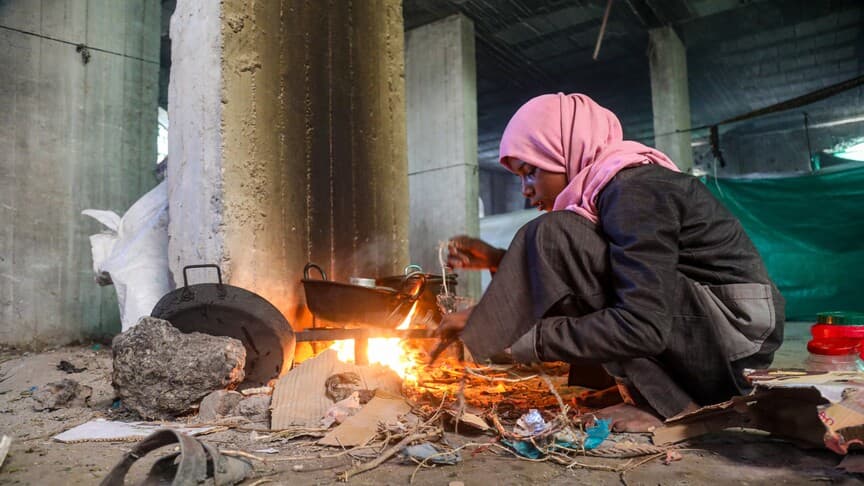
Taiz is Yemen's third-largest city, with a population of about one million. According to the International Organization for Migration as of November 1, 2026, the fighting has forced around 134,000 people to flee within Taiz province — nearly half of the more than 319,000 displaced in the west of the country. Niku Jafarnia, a researcher at Human Rights Watch, told DW that the Houthis have blocked supplies of fuel, water and medicine — 'everything hospitals need to function properly' — and even those who do reach hospitals may not receive the care they need, especially people with chronic illnesses.
Residents stay in the city
Residents whom DW spoke to (all asked that their full names not be published for fear of reprisals) describe a 'state of panic,' but also a determination not to submit to the Houthis. Ammar, a 45-year-old photographer, says that 'the determination not to submit to the Houthis is very strong'; Afnan, the mother of a schoolboy, says neighbors share their meager food and many refuse to flee; Hanan, a 30-year-old mother of three, reports that prices have soared and that gasoline, gas and drinking water have almost run out in the city. Taiz Governor Nabil Shamsan told DW that negotiations are underway on bringing food, fuel and water back into the city, but when and on what terms this will happen remains unclear. Alison Bottomley, an adviser at the Norwegian Refugee Council, noted that the fighting is preventing the organization from delivering aid to 7,000 people it supports with tents, blankets and educational programs for displaced children, and called on both sides to ensure the safe movement of civilians and humanitarian workers.
Why Taiz is under siege again
This is not the first blockade of the city: in the previous conflict, which began in 2014 and was largely ended by a UN-brokered truce in 2022, the Houthis (Ansar Allah) had already besieged Taiz in 2015–2016. Back then, the siege brought the population close to starvation, but the city was never taken. Hisham al-Omeisy, a senior Yemeni adviser at the British consulting firm Coral Core Consultants, explained to DW that the city symbolizes 'a deeply rooted tradition of political pluralism, civic resistance and rejection of the Houthi model of rule,' which is why its resistance is both a military obstacle and a political challenge to the Houthis' claims to the inevitability of their rule over all of Yemen. After the 2022 truce, the Houthis controlled Sanaa and most of the north, while the internationally recognized government held much of the west and south, including Aden; fighting resumed in late July and escalated in September when the Houthis seized territory held by forces loyal to the government.
The stakes and scale of the conflict
Analysts describe the capture of Taiz as a key strategic step: according to al-Omeisy, it would allow the Houthis to consolidate control over the north and open the way to the south and the Red Sea coast, strengthening their position in future negotiations. At the same time, he notes, the Houthis may not even need to take the city: it is enough to isolate it, cut its supply lines and neutralize it as a military threat, tying down significant government forces. His biggest concern is that the Houthis will use their successes around Taiz to gradually weaken and split the anti-Houthi camp rather than launch an immediate offensive on Aden, since divisions among their opponents remain one of the government's main vulnerabilities. Control over the strategic Bab el-Mandeb Strait, which connects the Red Sea with the Gulf of Aden, is contested; the exact territorial situation is unclear, but the Houthis retain the ability to threaten maritime traffic, and the conflict is escalating amid an exchange of missile and drone strikes between the Houthis and Saudi Arabia. Casualty figures differ due to the fighting and the parties' separate statistics: according to the latest WHO health cluster report, as of October 25, 2026, at least 1,677 people have been killed and 7,395 wounded.