The key facts
- Ministers of information, civil service and insurance, and local administration have been appointed
- The Houthis are roughly 80 km from Aden — the closest since 2015
- UN: nearly 300,000 displaced since August; in Taiz water production has halved and food prices have risen by at least 50%
Personnel changes amid the Houthis' military advance
Yemen's internationally recognized government has carried out a cabinet reshuffle, appointing three new ministers amid intensified fighting with the Houthis, who are advancing toward the government's temporary capital, Aden. This was reported by The National citing the state-run Saba agency. Salem Al-Awlaki has been appointed Minister of Information, replacing Muammar Al-Eryani, who had held the post since 2016; Al-Eryani himself said on X that, by decree of Rashad Al-Alimi, head of the Presidential Leadership Council, he would become an ambassador at the Ministry of Foreign Affairs. Judge Akram Nasib Ahmed Al-Amiri has been appointed head of the Ministry of Civil Service and Insurance, and Ahmed Al-Awlaki — Minister of Local Administration.
Closest approach to Aden since 2015
The reshuffle followed the Houthi offensive, which, according to four military sources cited by Reuters, has brought the Houthis to within about 80 km of Aden — closer than at any point since the war began in 2015, when Houthi fighters briefly entered the city before being driven out. The current advance threatens positions along the main road linking Aden to the besieged city of Taiz. The offensive began in September, when Houthi forces moved along the Red Sea coast and seized territory near the Bab el-Mandeb strait — a key international shipping route and the corridor for Saudi oil exports to Asia. Military sources note that the advance could allow the Houthis to outflank government forces along the mountain ridge overlooking the strait — from an area from which they were driven out only a few weeks earlier.
Humanitarian consequences: Taiz under pressure
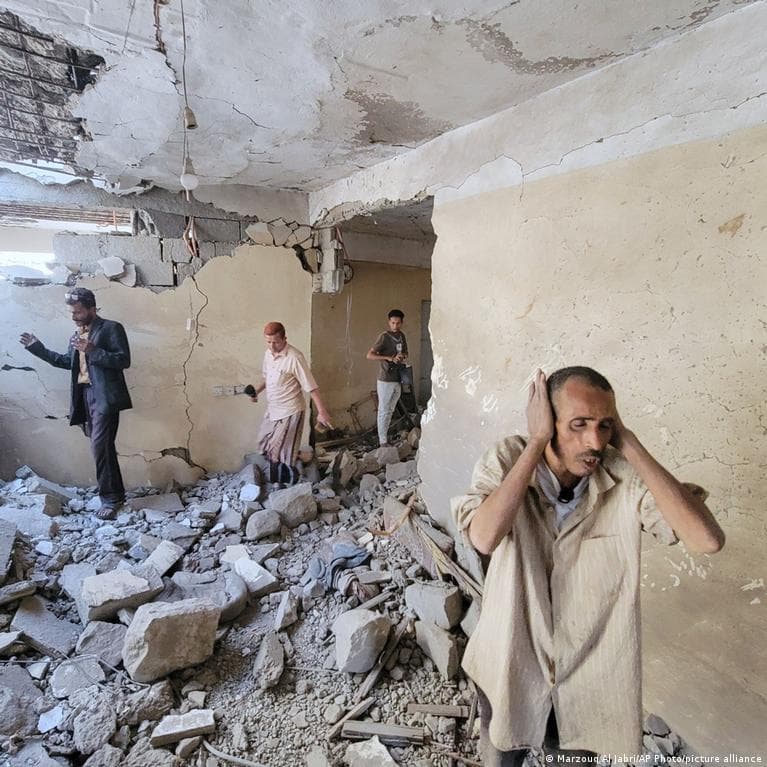
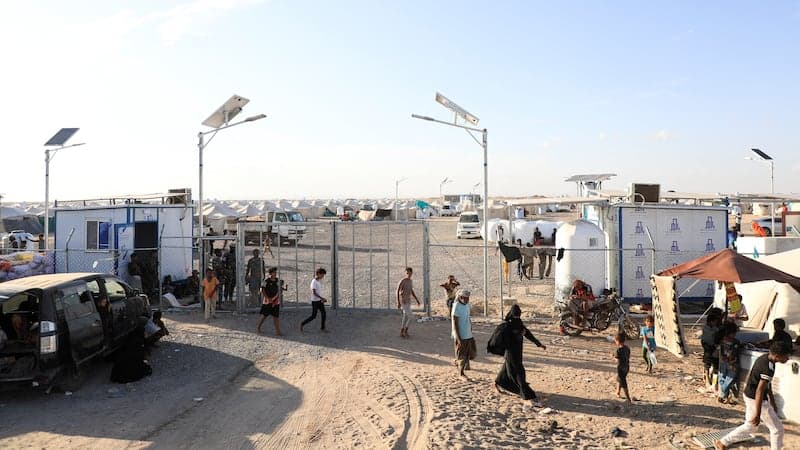
The resumption of fighting is heightening fears of a humanitarian crisis. Tom Fletcher, the UN's humanitarian affairs chief, said on Monday that nearly 300,000 people have been displaced since August, and that access restrictions and resource shortages are worsening conditions in Taiz, a city of about one million. According to him, the roads into Taiz are closed, supplies are running out, water production has halved, food prices have risen by at least 50%, and hospitals lack fuel and medicines. Aid partners have reached almost 260,000 displaced people, but needs are outpacing the response; food and medicines are ready for delivery.