The key facts
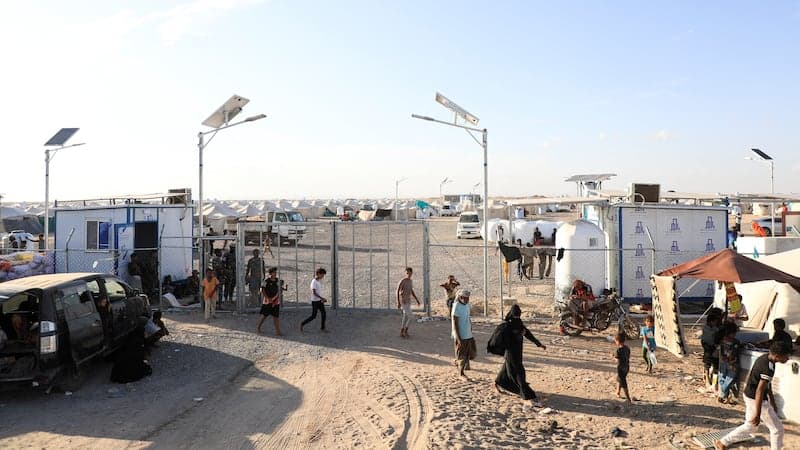
- Nearly 300,000 people have been displaced in Yemen since August 2025; UN humanitarian partners have reached about 260,000 of them
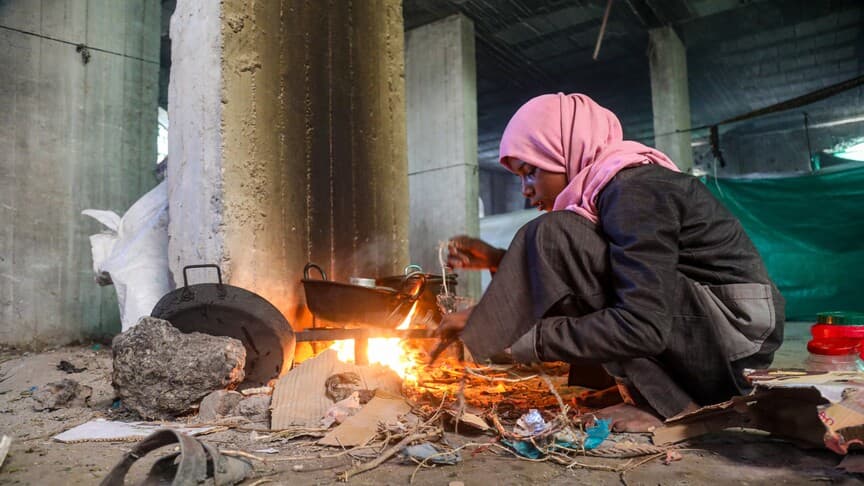
- In besieged Taiz, water production has halved, food prices have risen by at least 50%, and hospitals lack fuel and medicine
- OHCHR staff member Mohammad al-Shami died in Houthi detention; 70 UN staff members and dozens of other humanitarian workers remain in captivity
UN warning and the situation in Taiz
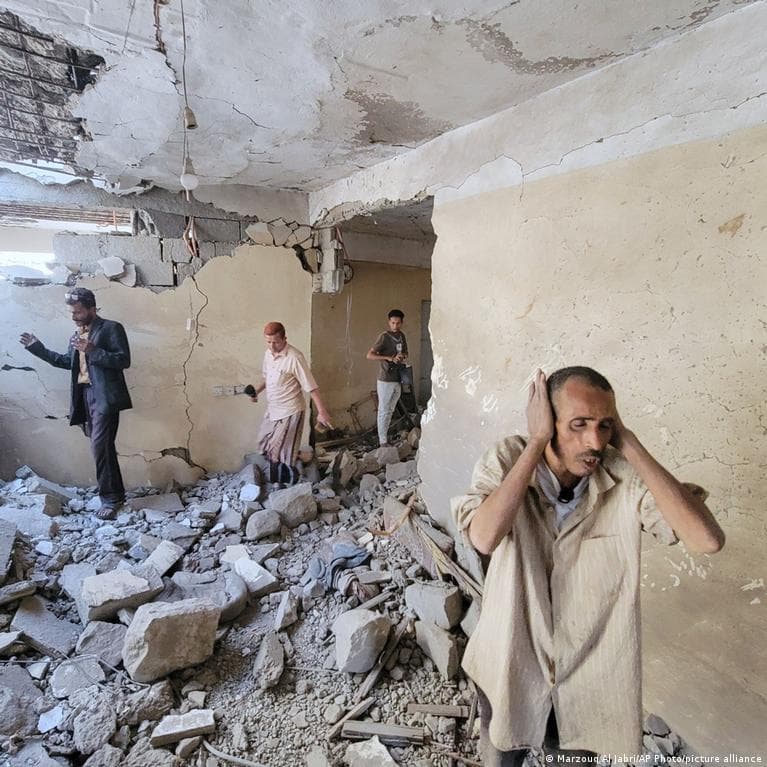
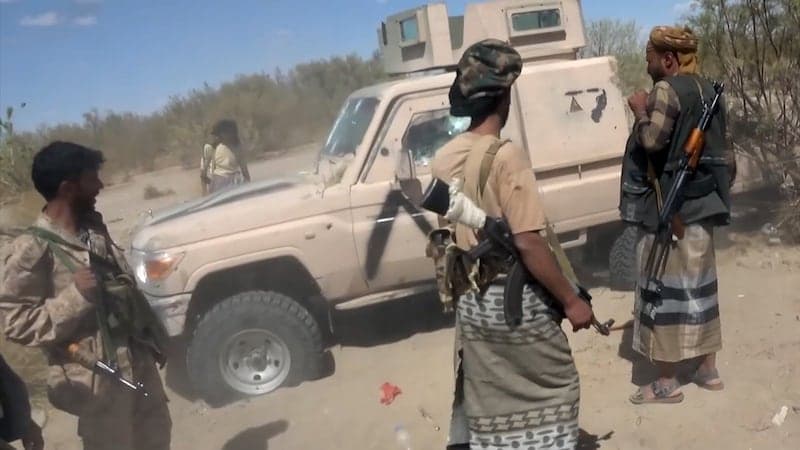
UN Emergency Relief Coordinator Tom Fletcher warned on Monday that civilians in Yemen are 'paying a brutal price' for the escalation of the conflict, with nearly 300,000 people displaced in the country since August. He wrote about this on the X platform, Anadolu reports. According to him, roads are closed and supplies are running out in the besieged city of Taiz, home to about a million people: water production has halved, food prices have risen by at least 50%, and hospitals lack fuel and medicine. Fletcher said he had spoken with Yemeni Foreign Minister Shaya'a al-Zubaidi about the crisis and that humanitarian partners had reached nearly 260,000 displaced people with aid, but 'needs are outpacing our response.' 'Our demands are clear. Open the roads and let them through. Civilians cannot be hostages of the fighting,' he said.
Death of a UN staff member in detention
Fletcher also expressed outrage at the death of Mohammad al-Shami, a staff member of the UN Human Rights Office in Yemen, in Houthi detention. According to the outlet, al-Shami, who worked for OHCHR, had been arbitrarily detained by the group since June 6, 2024, and became the second UN staff member to die in Houthi captivity: earlier, on February 11, 2025, Ahmed Baalawi, a national staff member of the World Food Programme detained by the authorities in northern Yemen since January 23, 2025, died. According to Fletcher, 70 UN staff members and dozens of other humanitarian workers remain in detention. 'They are not bargaining chips. Release them,' he demanded. The conflict in Yemen has continued since 2014, when the Houthis seized the capital Sana'a, leading to a Saudi Arabia-led military intervention in March 2015 in support of the internationally recognized government; the conflict has produced one of the worst humanitarian crises in the world.