The key facts
- 47% of registered voters named the cost of life as the main factor in their vote (Ipsos poll, August)
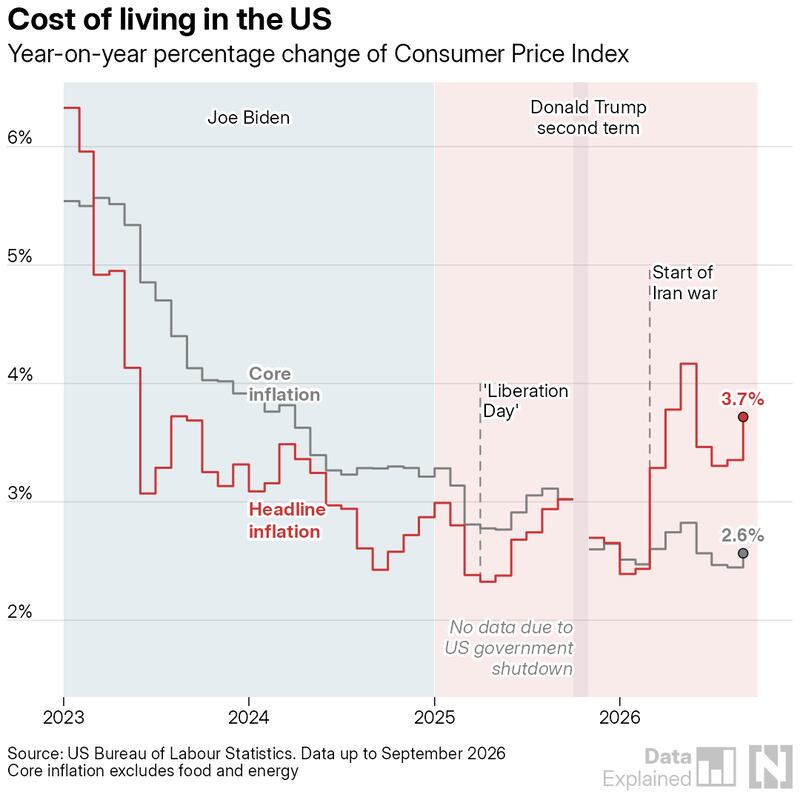
- September CPI inflation stood at 3.7%, with gasoline accounting for almost half of the overall price rise
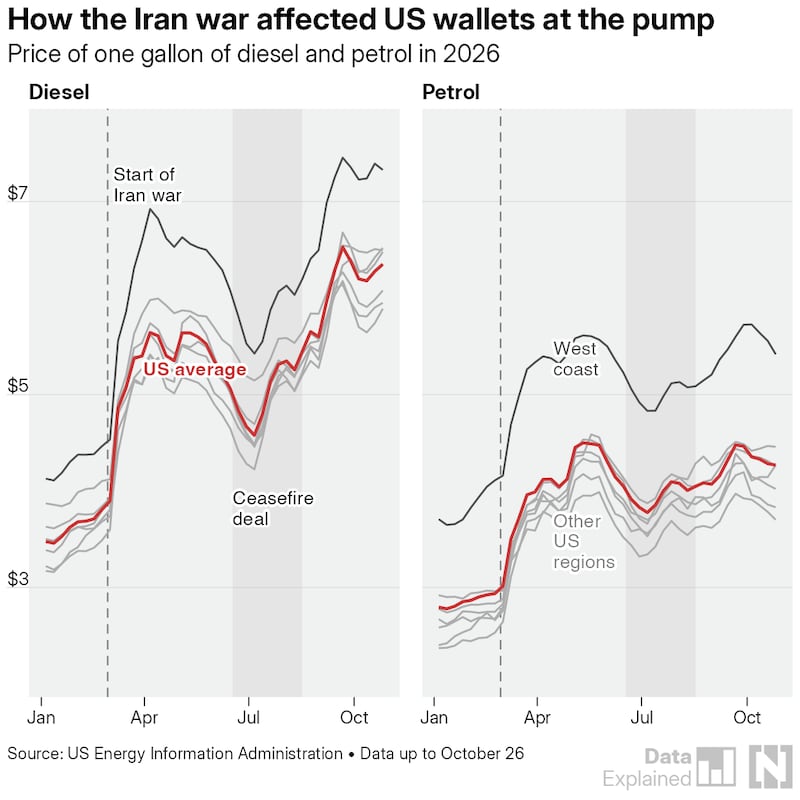
- The average price of a gallon of gasoline is $4.20, up $1.17 over the year; diesel rose from $3.68 to $6.32
Elections shaped by gasoline and grocery prices
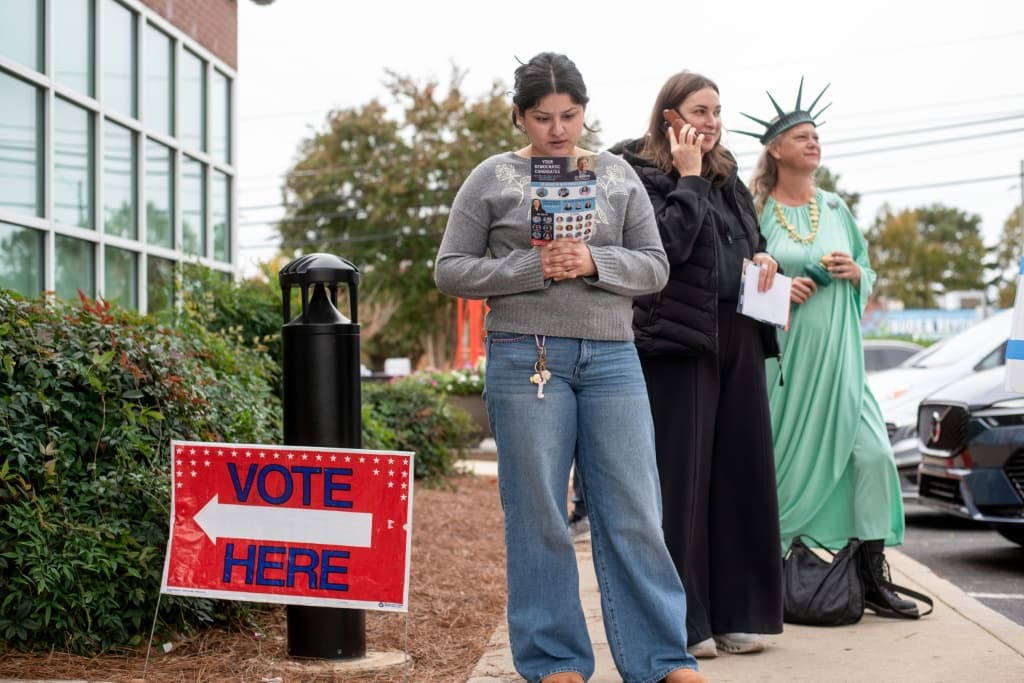
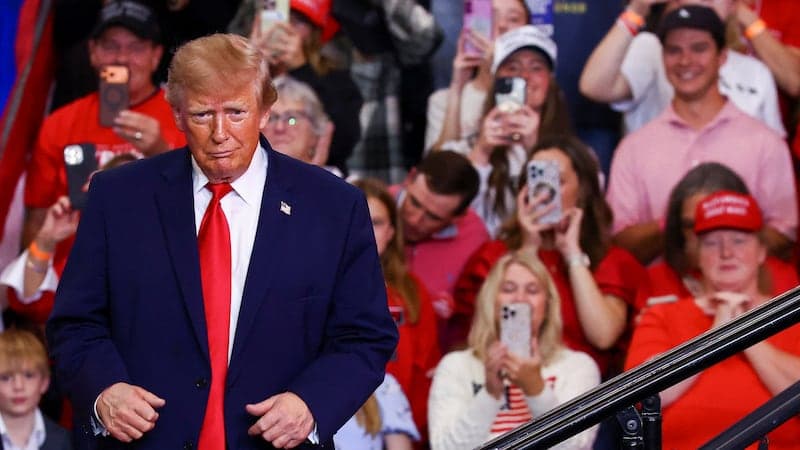
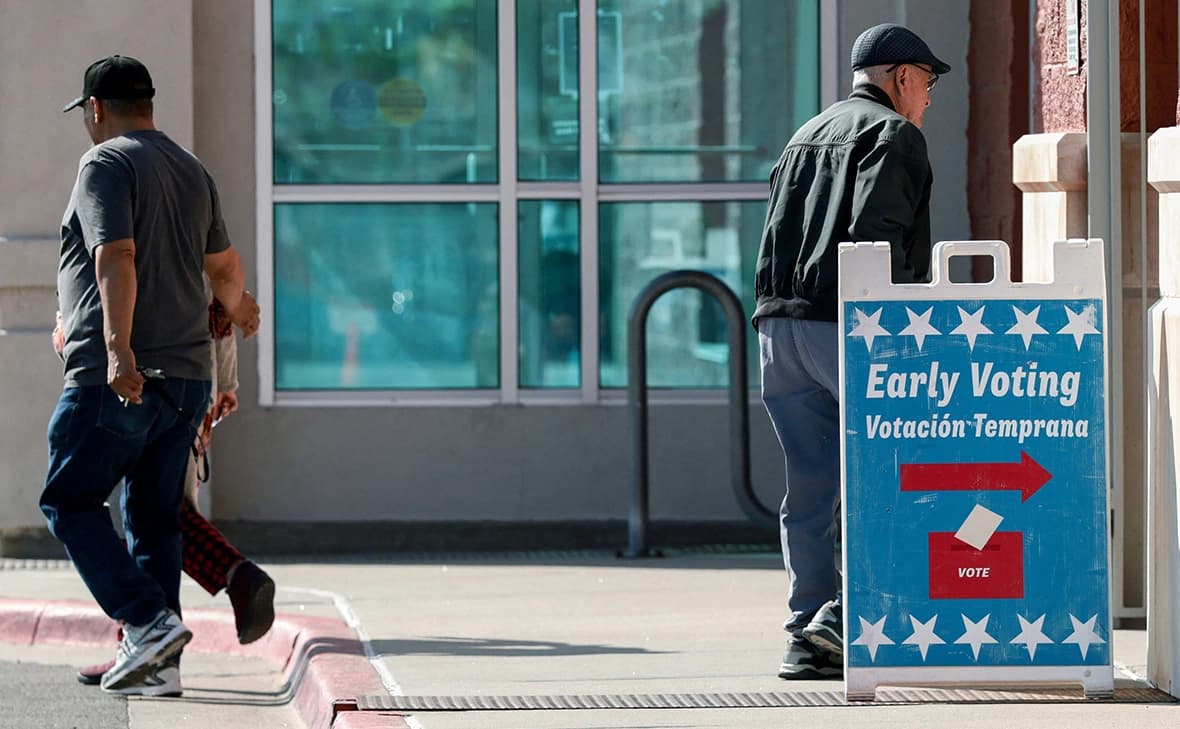
Midterm elections are taking place in the United States on Tuesday, and according to polls cited by The National, voters' personal finances may determine which party wins control of Congress. The main issues named are Donald Trump's tariff policy, the war with Iran, and overall economic management. In a Gallup poll from October 29, half of registered voters rated the economy as an
Tariffs and stalled disinflation
Public opinion on tariffs is markedly negative: according to a Chicago Council poll, 71% of Americans believe import duties harm the economy, and 81% believe they hurt the cost of living. Inflation in the US fell from a peak of 9.1% in 2022 to 3% by the start of Trump's second term in January 2025 and dropped to 2.3% in April, but accelerated again after the introduction of sweeping tariffs against nearly all trading partners. In September, CPI stood at 3.7%, with gasoline accounting for almost half of the overall price increase; core inflation excluding food and energy was 2.6% year-on-year. For almost six years now, inflation has not held at the 2% level.
The energy shock and prices at the pump
The prolonged closure of the Strait of Hormuz pushed global energy prices up, while Ukraine's strikes on Russian refineries worsened the rise in prices for diesel, which is used to transport food and other goods. According to AAA data cited by The National, the average driver now pays $4.20 per gallon of gasoline — $1.17 more than a year ago; of the six
Markets: rates, mortgages and Wall Street records
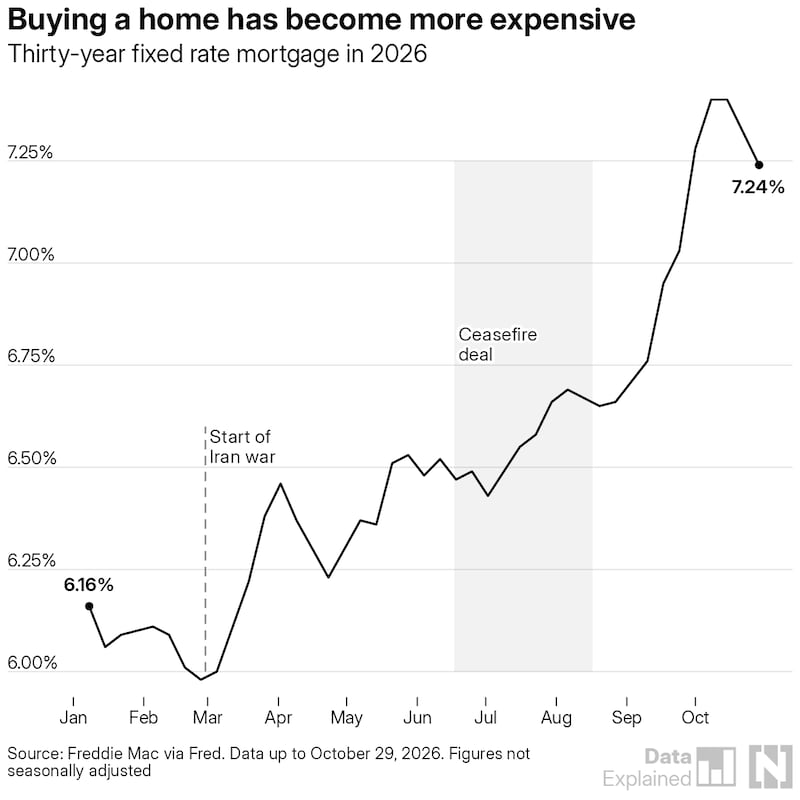
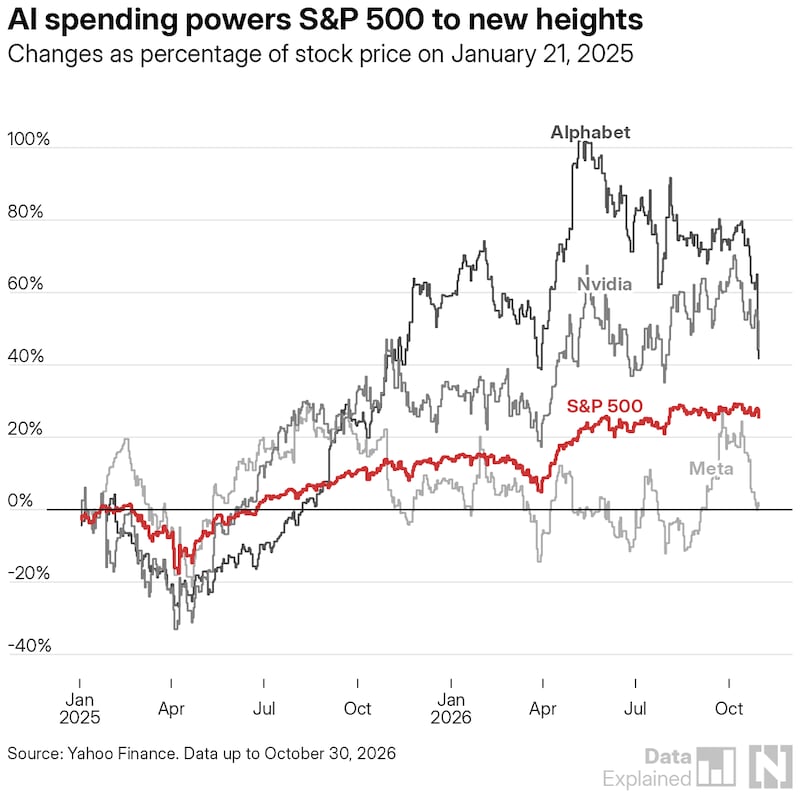
Energy inflation, massive AI infrastructure construction and large issuances of government debt pushed the yields on 10- and 30-year Treasury bonds to levels not seen in almost a quarter of a century, while the Federal Reserve, according to the outlet, has begun a new tightening cycle. Rates on 30-year mortgages reached 7.4% and pulled back to 7.24%, compared with 6.17% a year earlier. The stock market, which Trump often uses as a barometer of the economy, is on the contrary rising: the S&P 500 has gained more than 10% since the start of the year and set a record on October 6 at 7,818.93. However, disappointing corporate earnings reports are feeding investors' concerns about massive AI investments: the seven largest companies — Nvidia, Alphabet, Apple, Amazon, Meta, Microsoft and Tesla — account for 34% of the S&P 500 index.
The paradox: growth amid discontent
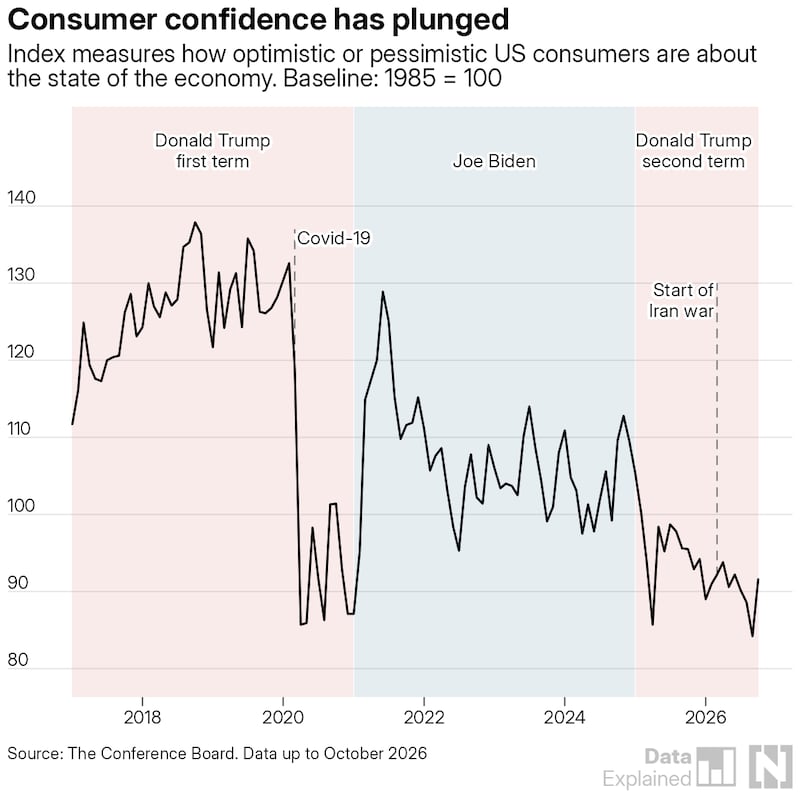
Despite the anxious mood, consumer spending rose by 3.4% in the third quarter, and US GDP for July–September grew by the same 3.4% at an annualised rate — the economy remained resilient in the face of the energy shock. The consumer confidence index rose by 7.5 points in October to 91.7 thanks to falling gasoline prices, although the long-term trend remains downward, and consumers plan to spend less over the next six months. The outlet describes the emerging picture as a “K-shaped” economy: asset owners are getting richer along with the market, while those living on paycheques are falling behind due to the rising cost of living. It is this gap between growth statistics and everyday expenses that, judging by the polls, will become the decisive factor in the election.