The key facts
- Trump holds rallies in Iowa and Kansas on November 1, returning to in-person appearances after abandoning them
- All 435 House seats and 35 Senate seats are at stake; Republicans hold a narrow majority in both chambers
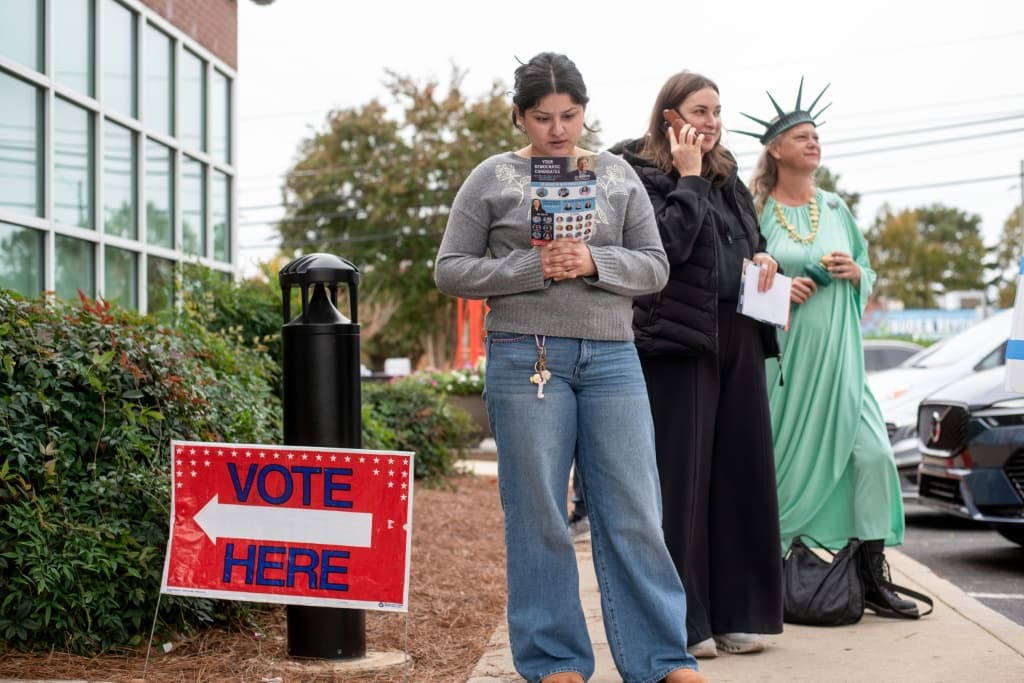
- More than 53 million people have already voted early
A Return to In-Person Rallies
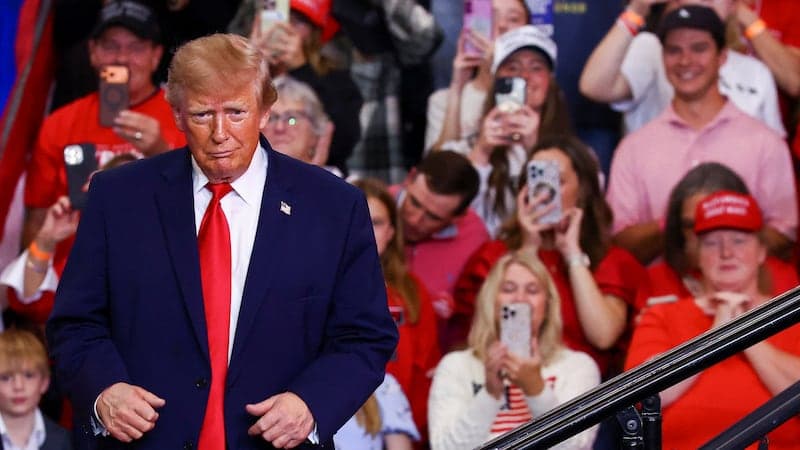
US President Donald Trump is holding back-to-back rallies in Iowa and Kansas on Sunday, November 1, wrapping up a series of campaign events ahead of the midterm elections, which will take place on Tuesday, November 3. He initially canceled in-person appearances and replaced them with tele-rallies, but changed his mind on Friday. The National reports this.
Why Iowa and Kansas in Particular
Both states are traditionally Republican: Trump won them decisively in the 2024 presidential election. However, Republicans have to fight for key Senate seats. In Kansas, Democrat Adam Hamilton is seriously challenging the mandate of Republican Senator Roger Marshall: if Hamilton wins, he would become the first Democrat in 94 years to win a Senate seat from that state. The choice of states for the final rallies thus reflects not the overall picture, but the specific vulnerable campaigns of the president's party.
What Is at Stake
On Tuesday, all 435 seats in the House of Representatives and 35 Senate seats are up for election. Republicans currently hold a narrow majority in both chambers, but polls show Democrats ahead in a number of key races. Trump is approaching the election with historically low approval ratings amid voter dissatisfaction with the economy, rising fuel and food prices, and the unpopular war in Iran. If Democrats regain control of Congress, they will be able to block the president's legislative agenda for the remaining two years of his term; among Republicans there are also fears that Democrats could initiate impeachment again — Trump was already impeached twice during his first term and was acquitted by the Senate both times. Illinois Governor JB Pritzker said in an NBC interview on Sunday that Democrats will push for hearings:
The Scale of Early Voting
More than 53 million people have already voted — either early in person or by mail. This means that a significant portion of the electorate made up their minds before Trump's final rallies, and the effect of the final-days campaign extends only to those who have not yet voted. The election results will determine whether the Republican Party retains the ability to advance its legislative agenda until the end of the president's term.