The key facts
- Polls predict a Democratic victory in the House of Representatives and, contrary to expectations, a chance at a Senate majority
- An NBC News poll: 60% of Americans disapprove of Trump's performance
- A record 53 million people voted early; about $11 billion was spent on advertising
Republicans' final push
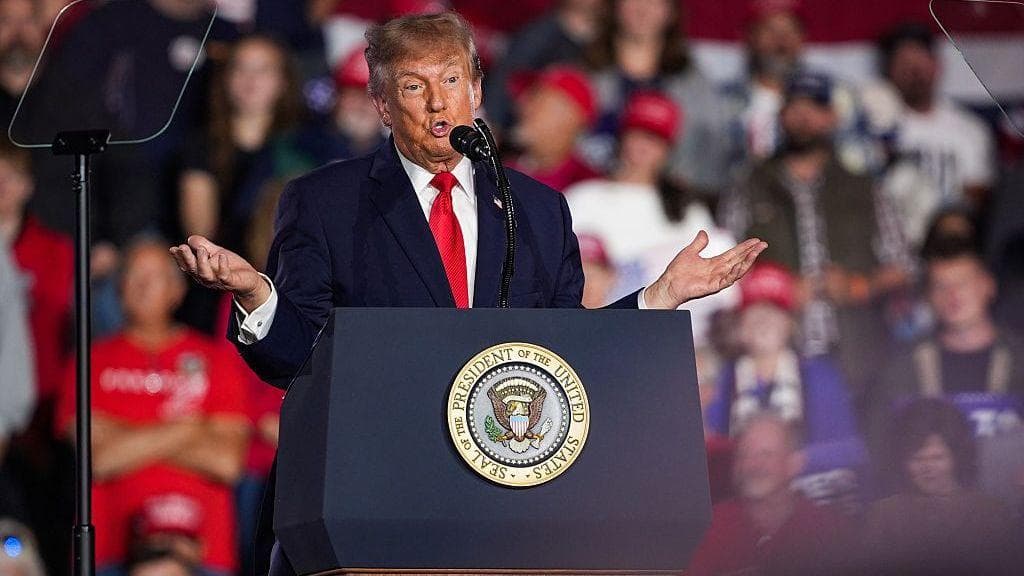
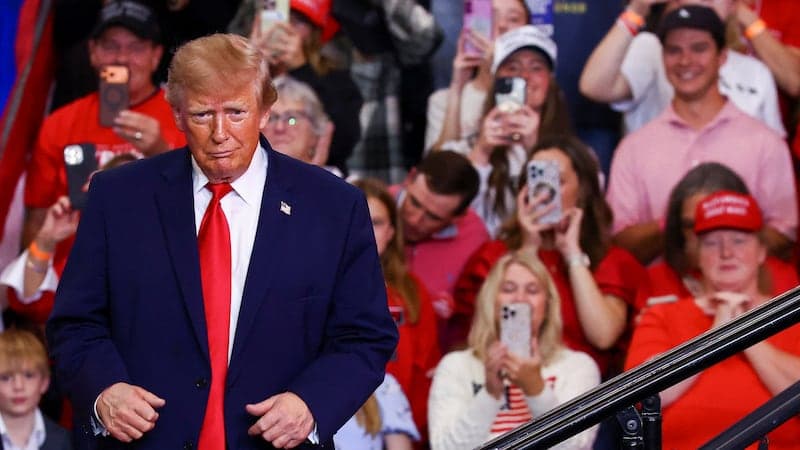
On Sunday, one day before the US midterm elections, Republicans made a last-ditch effort to prevent a projected major defeat in which Democrats hope to take Congress and, for the first time, curtail the power of President Donald Trump. This is reported by AFP. Trump personally led the final campaign, holding rallies in Iowa and Kansas — states where his party is usually confident of victory and does not need the president's support. Along with claims that Democrats will 'turn the country communist,' he is promising payments of $5,000 to every resident of the country if his party wins. 'I feel great. The country has never been better,' Trump told reporters on Saturday at his golf club in Florida.
Polls and voter sentiment
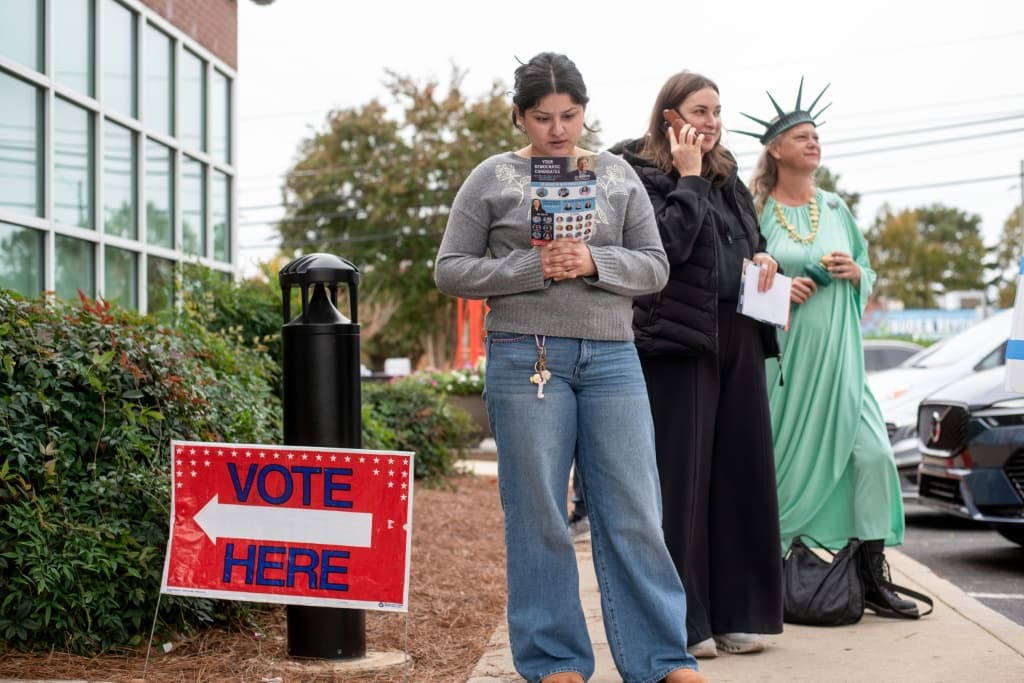
According to polls, Democrats are almost certain to take the majority from Republicans in the House of Representatives and, contrary to earlier expectations, have a chance of winning the Senate as well, where Republicans hold a narrow majority. Yet Democrats remain nervous: Senator Raphael Warnock described their mood on CNN as 'nauseatingly optimistic.' An NBC News poll published on Sunday showed that 60% of Americans disapprove of Trump's performance — primarily because of high prices, which, according to the poll, have been worsened by the eight-month 'chaotic war' against Iran. Early voting has already set a record: 53 million people have voted across the country.
What would change if Democrats win
A Democratic victory in the House of Representatives would be the first real political check on Trump since his return to the White House in 2025. Democrats would gain control of the budget and of committees that, it is expected, would investigate allegations of mass corruption and Trump's ties to the notorious sex offender Jeffrey Epstein. A Democratic majority in the Senate would allow them to block Trump's judicial nominations, including to the Supreme Court. The stakes are reflected in the scale of spending: about $11 billion has been spent on advertising during the campaign, with a significant share contributed by individual megadonors — in particular, Elon Musk, who led the so-called DOGE, directed nearly half a billion dollars toward supporting Republicans.
The campaign and fears of a crisis
The campaign has been marked by harsh rhetoric: Trump has repeatedly, without basis, called the Democratic Senate candidate from Michigan, Abdul El-Sayed, a 'jihadist.' A fear hangs over the election that Republicans will refuse to accept defeat, leading to a constitutional crisis similar to Trump's attempt to challenge his loss in the 2020 election. Over the weekend, the White House continued to undermine trust in the election: the president's official account on X replied 'No, that's not true' to a post explaining that it is 'normal' in closely contested districts for a candidate to lead early but lose after all ballots are counted. The Senate remains the main intrigue: only a third of the 100 seats are up for contest, and few states were considered favorable to Democrats, but unexpectedly strong campaigns in deeply Republican Texas and Kansas have led pollsters to estimate the odds of an 'upset' as at least even.