The key facts
- According to The Washington Post, SpaceX discussed buying Boost Mobile with EchoStar; Boost Mobile and GenMobile have about 7.5 million subscribers
- Earlier, AT&T, T-Mobile and Verizon rejected Musk's offers to lease capacity; Boost's leases from AT&T and T-Mobile are usually non-transferable
- The deal would complement the $17 billion spectrum purchase and allow combining satellite and terrestrial coverage
Talks over buying Boost Mobile
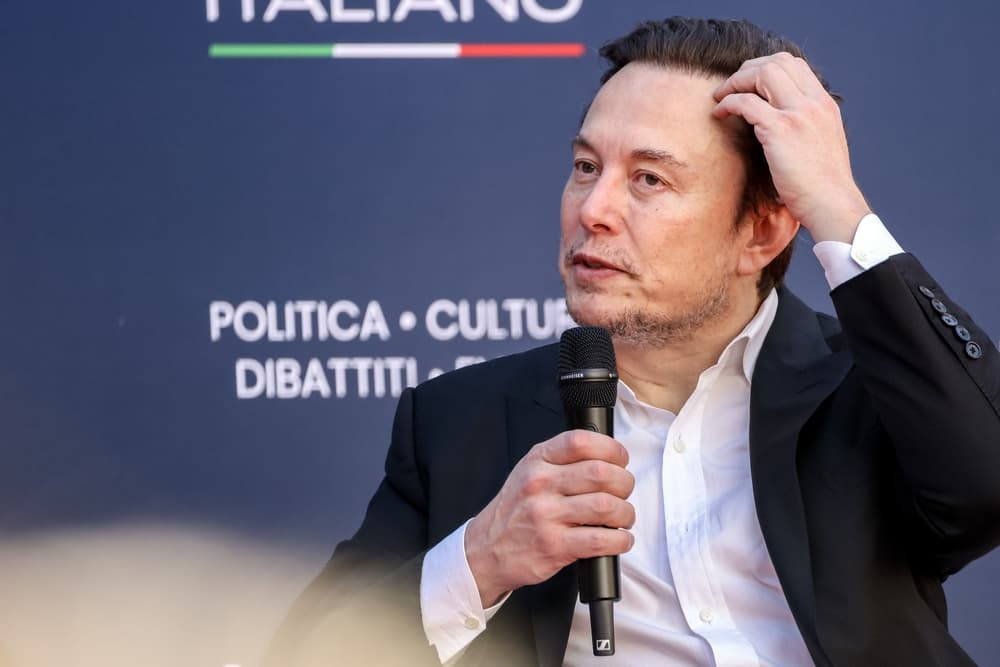
SpaceX is considering buying the mobile carrier Boost Mobile from EchoStar, The Washington Post reports. According to the outlet, SpaceX CEO Elon Musk spoke about this directly with EchoStar chairman Charlie Ergen in October. Boost Mobile is a virtual operator (MVNO) with no towers of its own; together with EchoStar's other service, GenMobile, it has about 7.5 million subscribers. If the deal goes through, SpaceX would gain a base to become the fourth-largest carrier in the US, although each of the three largest — AT&T, T-Mobile and Verizon — has more than 100 million subscribers.
Why SpaceX needs a terrestrial network
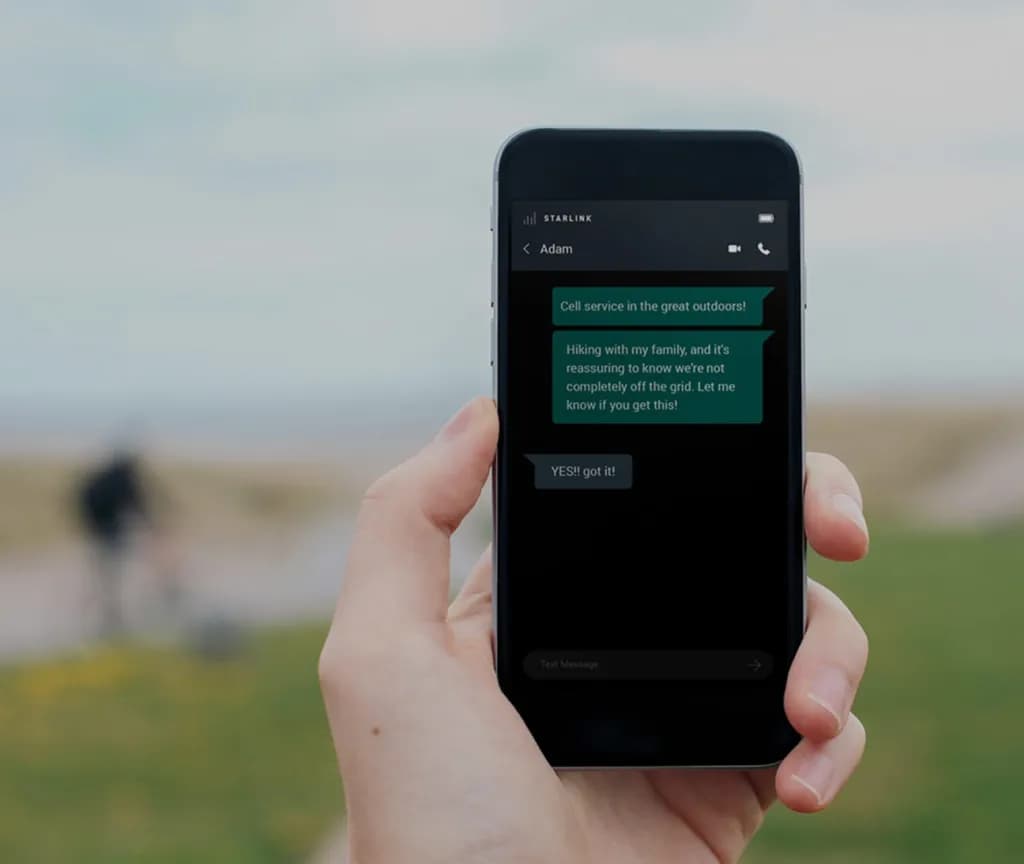
The company has been moving toward the cellular market for several years: in 2024 it received FCC approval and began offering satellite access to T-Mobile subscribers, and in 2025 it bought spectrum from EchoStar worth $17 billion to serve phones directly. At the time, Musk called that purchase the last critical piece of the spectrum puzzle needed for full phone coverage across America — however, as TechCrunch notes, the interest in terrestrial networks shows that in reality it was not the last piece. The spectrum purchase is meant to help Starlink work inside buildings, something the service still handles poorly.
The main obstacle — leased towers
The key value of a potential deal is not the subscribers but access to terrestrial infrastructure: the towers leased by Boost cover most of the 48 contiguous states, which would make it possible to combine Starlink's satellite signal outdoors with conventional cellular networks where the satellite is unavailable. But this scheme has a weak point: Boost leases capacity from AT&T and T-Mobile, and, according to sources for The Washington Post, such lease agreements are usually non-transferable — meaning the Big Three carriers, which previously rejected Musk's offers to lease capacity, could get a right of consent over the deal. So far this is only reporting on talks: neither EchoStar nor the carriers have officially announced any agreements, and the fate of the lease contracts remains the main open question.