The key facts
- Germany requested 45,000 specialists; only 2,000 were employed — due to a lack of German language skills
- A unified migration center will open in every region in 2027, with 8 billion soums allocated to each
- 10,000 people are to be trained in a profession and German for work in Germany, and 500 native speakers recruited
After the migration meeting: a migration center in every region, and German language training in technical colleges
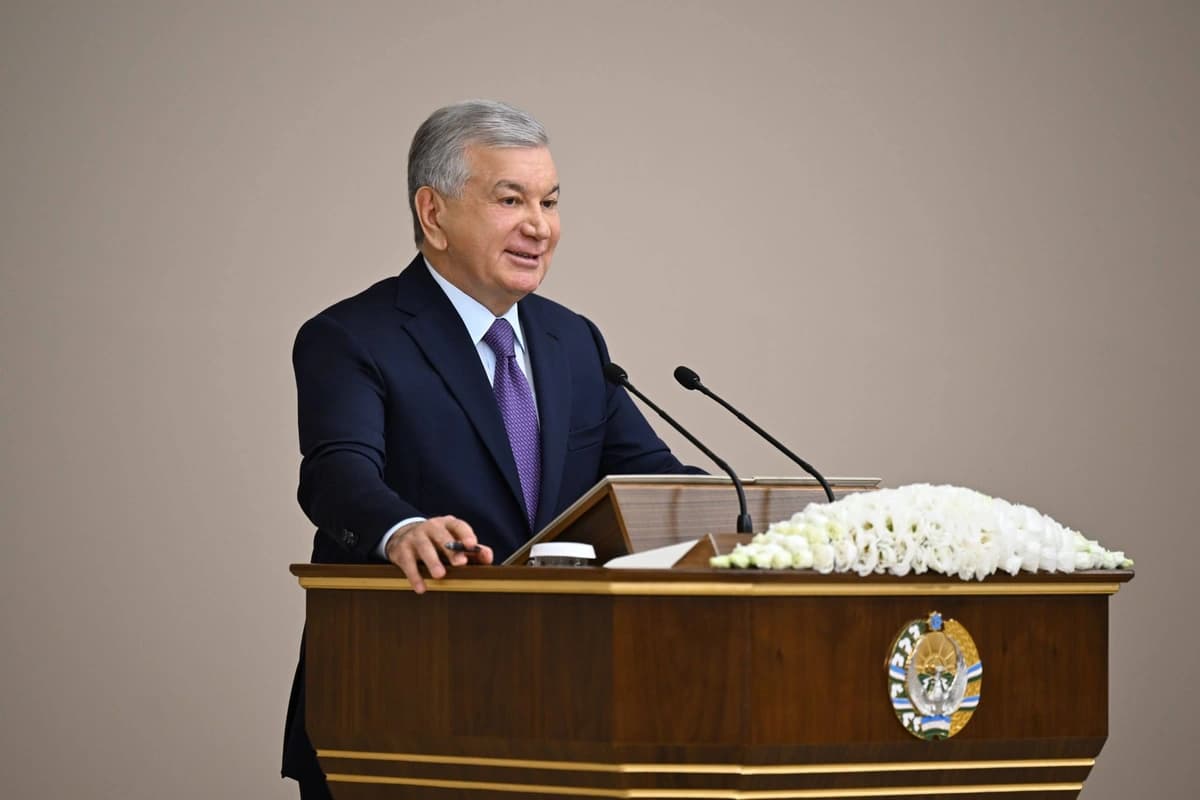
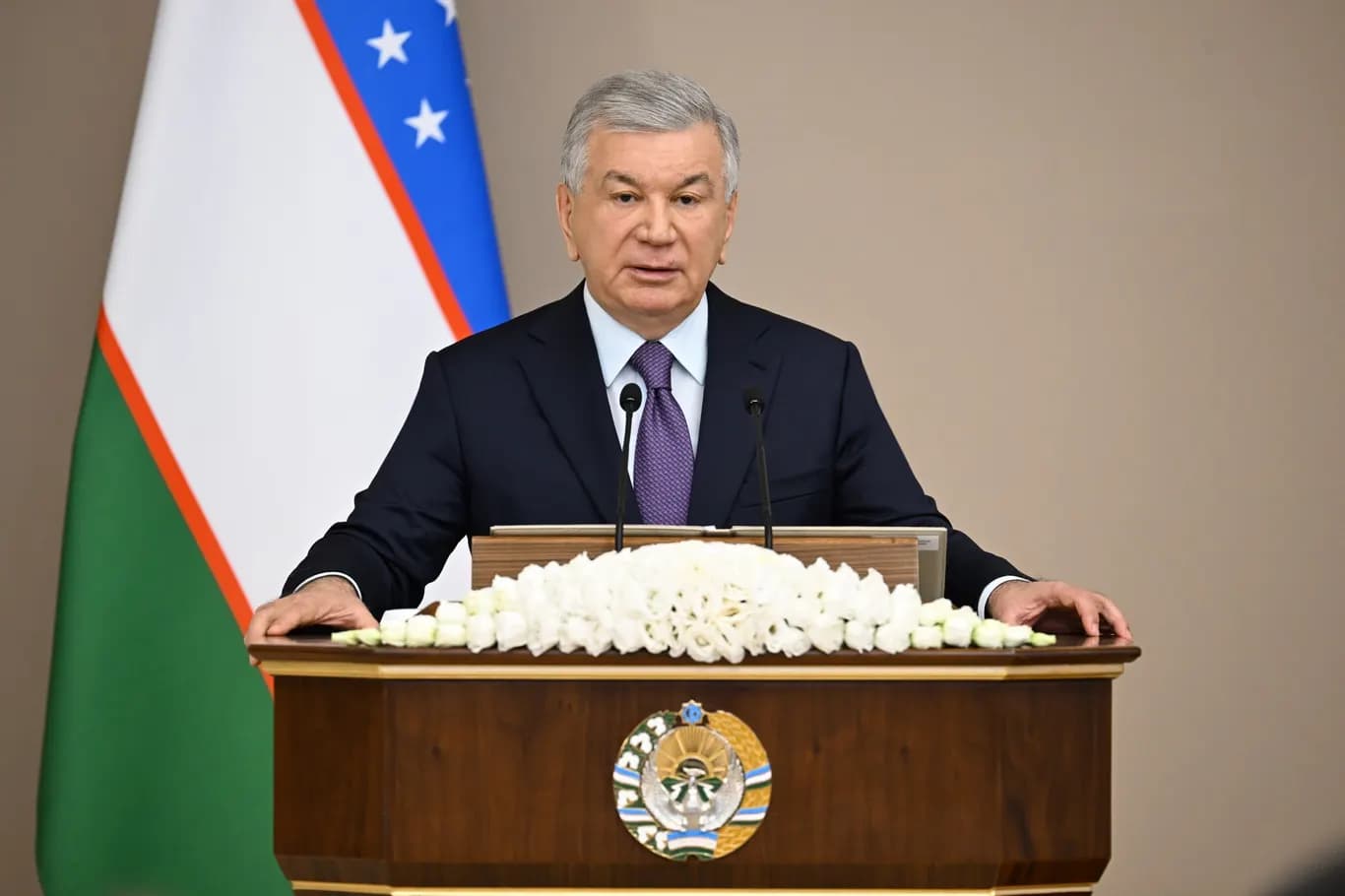
On November 2, President Shavkat Mirziyoyev held a meeting on labor migration, at which he criticized the work of embassies, regional administrations (khokimiyats) and educational institutions in placing citizens in well-paid jobs abroad. This was reported by the press secretary of the head of state, Sherzod Asadov (Gazeta.uz, Kun.uz). A key example of inefficiency: in 2026, Germany submitted requests for 45,000 specialists, but only 2,000 people were employed. The main obstacle cited was the shortage of personnel with German language skills.
What is already working and what has been ordered
Individual projects combining vocational training and language learning are already in operation: with the company Globogate, 1,500 nurses are trained annually in 20 medical technical colleges, at the Karshi Technical College of Advanced Professional Skills, German instructors teach both the language and the profession, and in Andijan an entrepreneur renovated an idle technical college and trains 1,500 specialists a year with instructors from Germany. The company Telc has begun training 100 German language teachers at the Intil center — from early 2027 they will be sent to regional technical colleges.
New decisions: centers, money and quotas
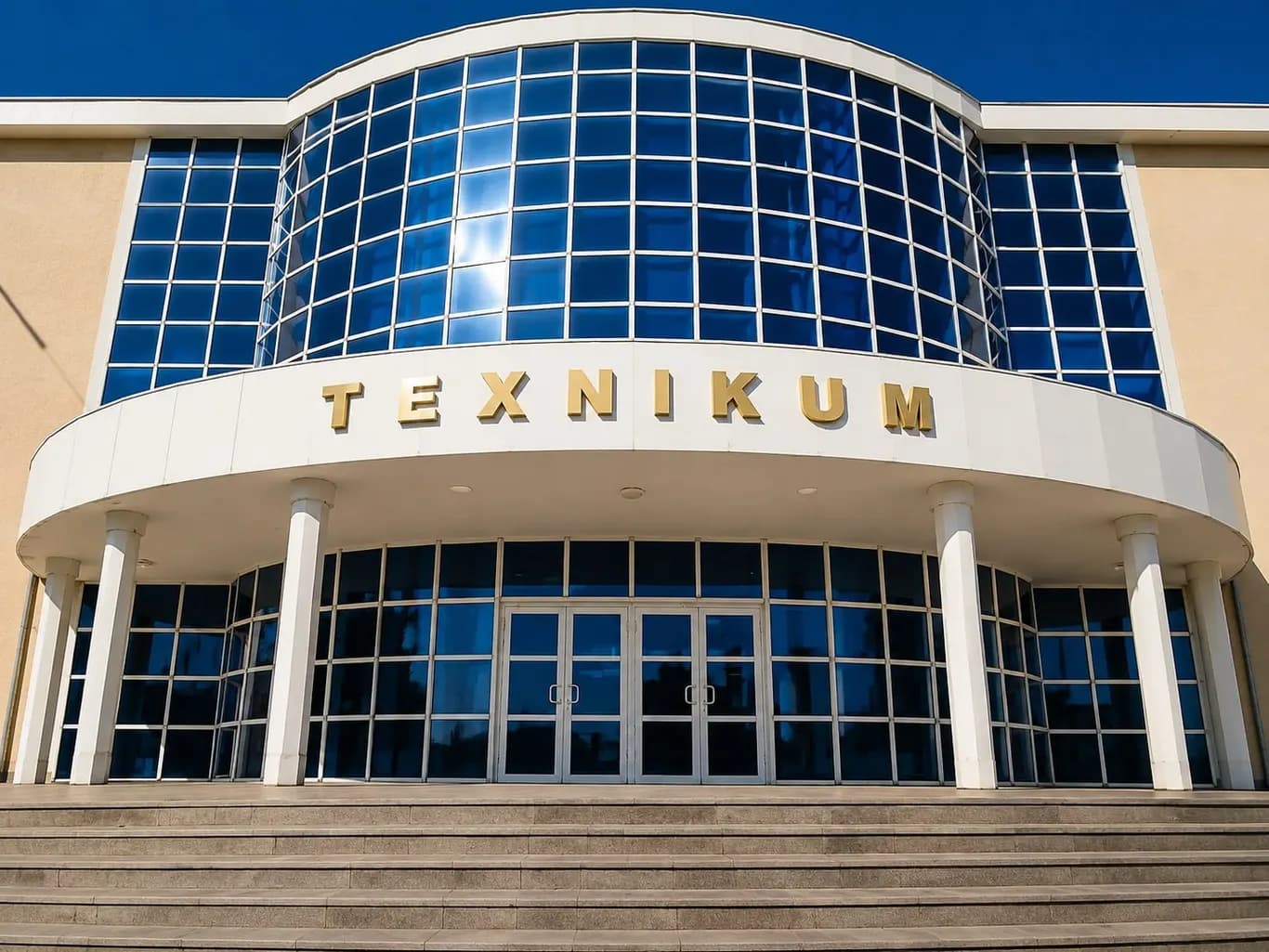
Following the meeting, it was ordered to study the experience of the Intil center and open a unified migration center in each region in 2027, allocating 8 billion soums to each (about 663.8 thousand dollars according to Daryo.uz's calculation). For the coming year, the task has been set to train 10,000 people in in-demand professions and the German language and employ them in Germany. 500 native German speakers will be recruited for schools and technical colleges, the state order for training German teachers at universities will be doubled from the next academic year, and in 2–3 technical colleges in each region, vocational training will run in parallel with German language instruction. «German language learning needs the same approach as teaching English to young people,» the president said.
Untapped destinations and adapting technical colleges
Besides Germany, missed opportunities in other markets were discussed: the United Kingdom needs 33,000 workers, but Uzbeks are sent there mainly for seasonal agricultural work; agreements with employers in medicine, logistics and industry have not been formalized, and participation in the Youth Mobility Scheme has not been resolved. The agreement with Italy on expanding labor migration is also not being used. At the same time, the European Union has for the first time included attracting specialists from Central Asia in its migration strategy. According to the meeting, major companies from Germany, Japan and South Korea are ready to train specialists in Uzbek technical colleges and invest in their equipment — the president ordered that 20 technical colleges be selected within a month and, from 2027, their programs adapted to the requirements of foreign employers.