The key facts
- Retired general Yitzhak Brik said Israel has lost its international legitimacy and allies
- The national debt has reached 1.4 trillion shekels ($445 billion), according to Brik's estimate
- Netanyahu's bloc won 53 of 120 mandates; no bloc reached 61 seats
A warning from a retired general
Retired Israeli Major General Yitzhak Brik warned on Sunday that Israel is undergoing an irreversible disintegration in the military, economic and institutional spheres, has lost its international legitimacy and allies, and cannot withstand isolation for long. He laid out his assessment in an op-ed column in the Israeli newspaper Maariv, describing the country's situation not as a political crisis but as an all-encompassing collapse. Anadolu reports this.
The election as a 'death certificate'
Brik called the results of the parliamentary elections held on Tuesday, October 27, 'the official death certificate of the State of Israel as we knew it.' He criticized television commentators for focusing on mandates and coalition negotiations while missing deeper problems — coverage he compared to an orchestra playing on the sinking Titanic. According to the agency, Brik previously commanded military training institutions and served as ombudsman for soldiers' complaints at the Ministry of Defense.
The army, the economy and internal divisions
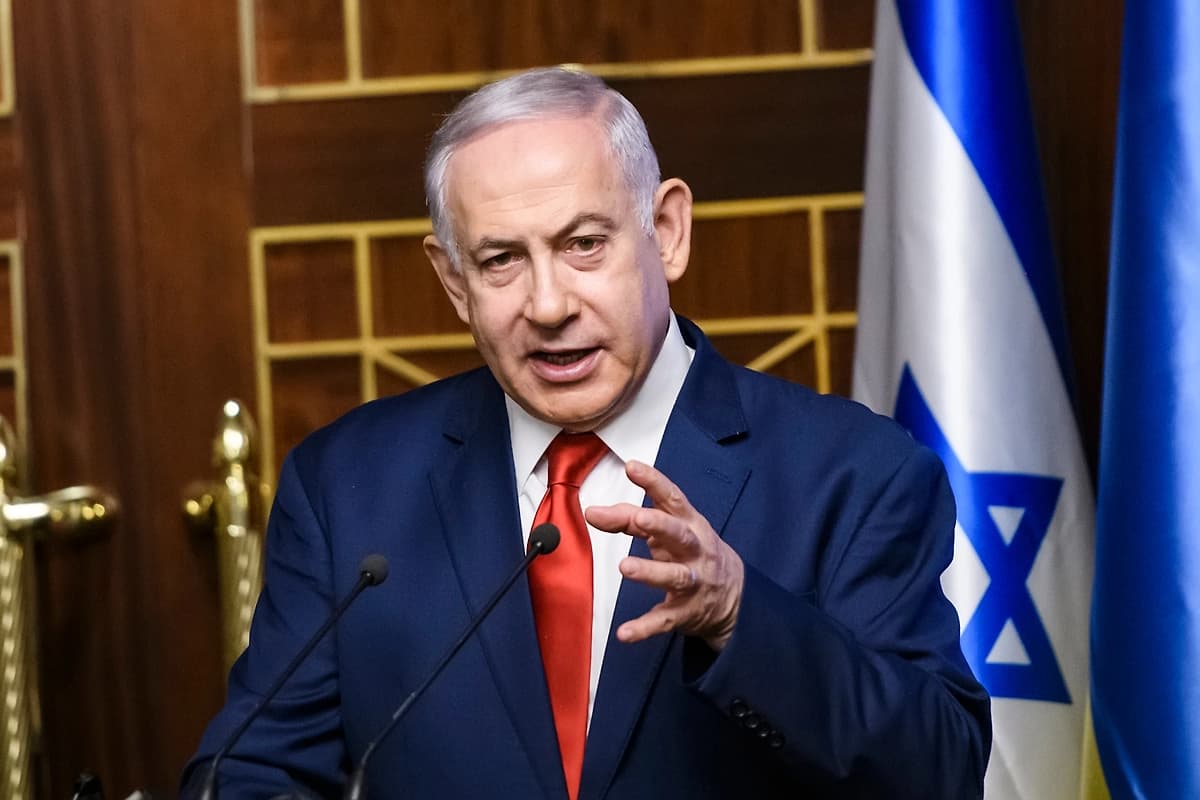
The ground forces, in Brik's assessment, are suffering structural decay and declining morale and are unable to protect the country from simultaneous threats inside and beyond its borders: an exhausted army could not stop a large-scale invasion or protect civilians in a broad regional war. The national debt, he said, has reached 1.4 trillion shekels (about $445 billion) due to the protracted wars, while economic sanctions, restrictions on arms supplies and financial isolation are intensifying the pressure. He called Prime Minister Benjamin Netanyahu's proposal to use cryptocurrencies to counter possible European sanctions naive and absurd, warning that further deterioration could put Israelis' savings at risk. Within the country, he wrote, society is experiencing not mere polarization but a 'quiet civil war': doctors, scientists and tech entrepreneurs are leaving, and the political leadership, he charged, is undermining the rule of law by placing loyalty above competence.
The balance of power in the Knesset
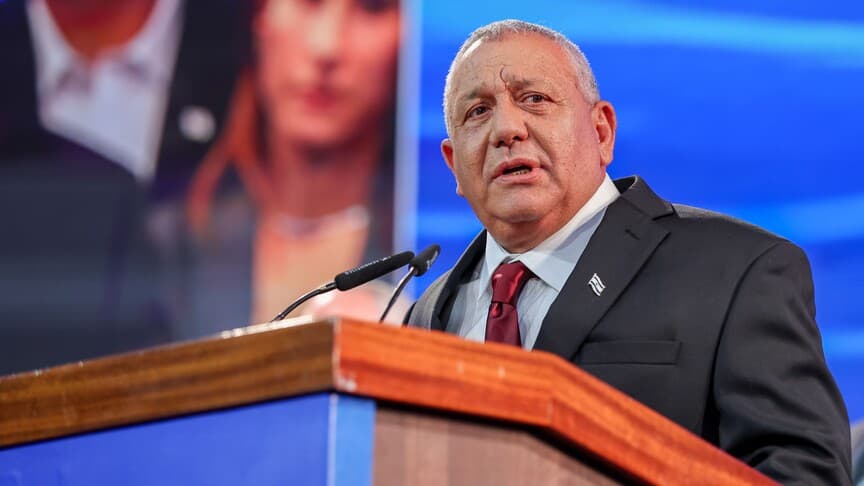
As a result of the October 27 elections, Netanyahu's bloc won 53 seats in the 120-seat Knesset, the opposition bloc led by Yashar party leader Gadi Eisenkot won 48, and the Arab parties won 19. None of the main blocs secured the 61 seats needed for a parliamentary majority. This means the formation of a governing coalition remains an open question; the publication does not describe further steps toward forming a government.