The key facts
- Netanyahu's bloc — 53 mandates, opposition — 48, Arab parties — 19; a government needs 61
- Turnout of 77.9% — the highest since 1999
- The Shin Bet is looking into interference claims; no evidence yet
No one has a majority
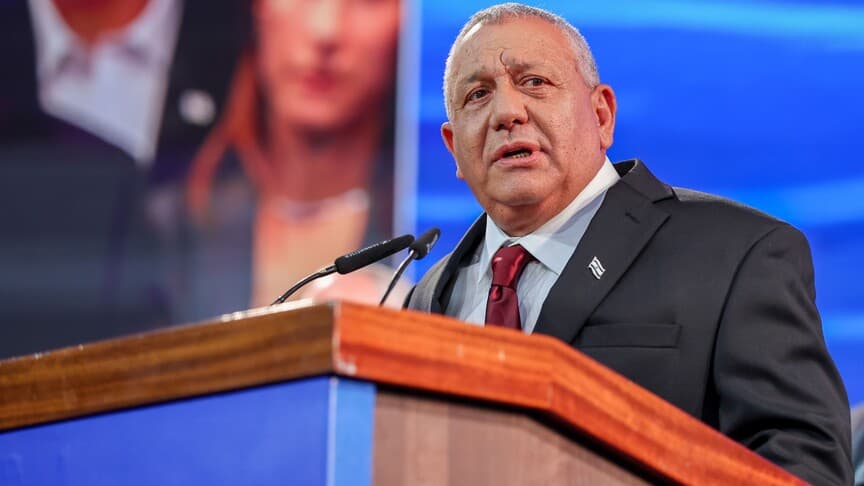
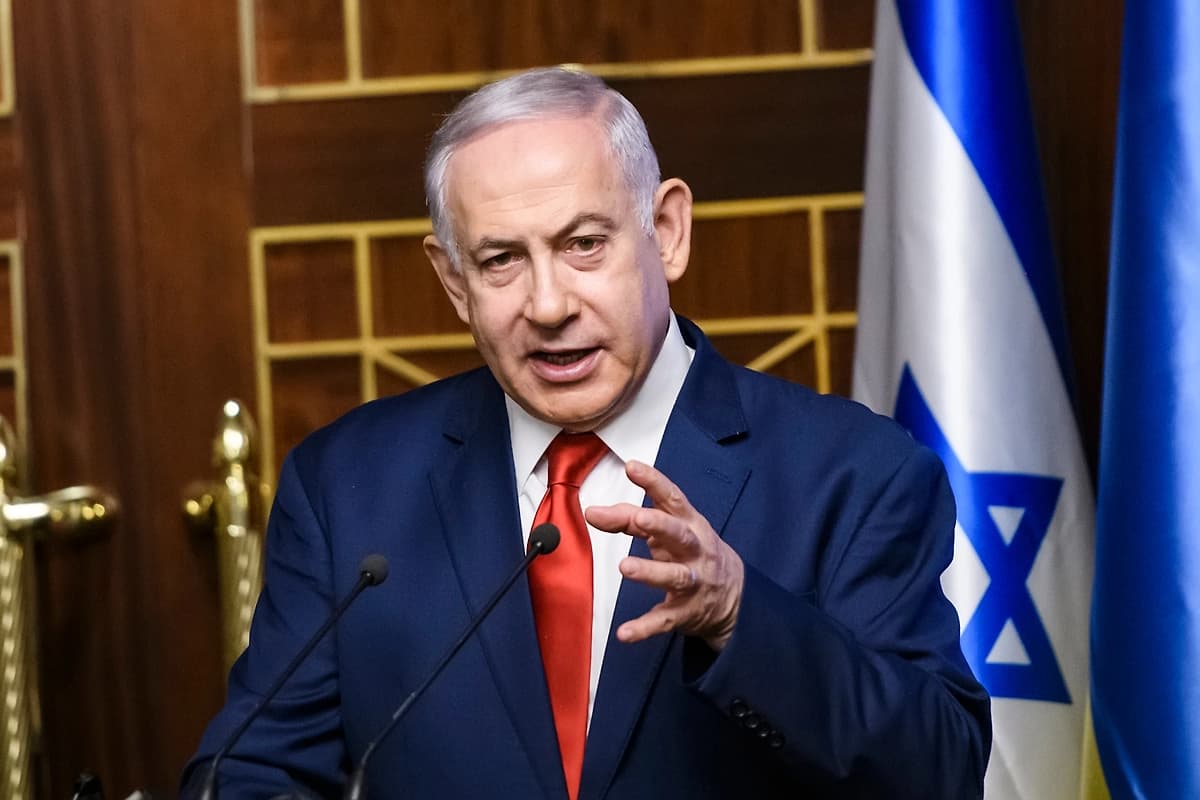
After Israel's parliamentary elections held on October 27, neither Benjamin Netanyahu's bloc nor Gadi Eisenkot's opposition bloc won a majority in the Knesset. According to Life.ru, Netanyahu's supporters won 53 mandates, the opposition 48, and two Arab political forces 19. Forming a government requires at least 61 seats, so the Arab parties, with whom neither of the two main forces is eager to negotiate, may play a decisive role in the talks. Turnout was 77.9% — the highest since 1999.
Experts: the course will not change, but the Arab electorate made its mark
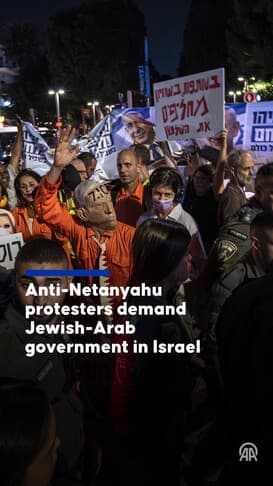
Viktor Smirnov, head of the Israel and Jewish Communities Department at the Institute of Oriental Studies of the Russian Academy of Sciences, told RIA Novosti that the election result was a victory for Israel's 'party of war' and suggested that a change of government would not lead to a revision of foreign policy: 'Israel's strategic course will not change, and that applies both to foreign policy and to the attitude toward the Palestinians. They may adjust the rhetoric — nothing more.' Israeli political commentator Dmitry Dubov linked the high turnout among Arab voters to their desire to prevent the previous coalition from staying in power. The main forces will now have to either seek a compromise with the Arab parties or strike deals with their political opponents.
Interference allegations and rumors of a compromise
Likud supporters began speaking of possible foreign interference: the party suspects Turkey and Qatar of financing structures that helped mobilize Arab voters. Both countries rejected the accusations. The Shin Bet is conducting an inquiry, but no evidence of systematic violations capable of casting doubt on the results has been presented so far. The C14 TV channel, citing Life.ru, reported on an alleged plan, under which Netanyahu could remain prime minister for two more years and then leave politics in exchange for a pardon in his criminal cases — but the office of President Isaac Herzog categorically denied this information.
What comes next
The official election results are to be presented to Herzog on November 4, and the new Knesset will convene on November 10. After consulting with the parties, the president will decide whom to task with forming a cabinet: the chosen politician will have 28 days for negotiations, with the possibility of a 14-day extension. If no agreement is reached, the country faces yet another election — precisely the outcome Herzog earlier called to prevent, urging politicians to abandon ultimatums. The election campaign was accompanied by loud statements about security: two days before the vote, Netanyahu published an AI-generated image of a nuclear explosion over Tel Aviv, for which Eisenkot accused the prime minister of trying to intimidate voters.