The key facts
- From October 1, the SEHHI badge appeared in restaurants at hotels licensed by the Abu Dhabi Department of Culture and Tourism — about 20% of the emirate's restaurants
- Restaurants must have at least one qualifying dish in each adult menu category and at least half of the dishes in children's menus
- The measure is part of the Healthy Living programme with 28 initiatives; in parallel, Nutri-Mark, limits on sugar, salt and fat (from June 2027 to 2030) and supermarket rules from January 1, 2027 are in effect
Labels on dishes, not ratings of restaurants
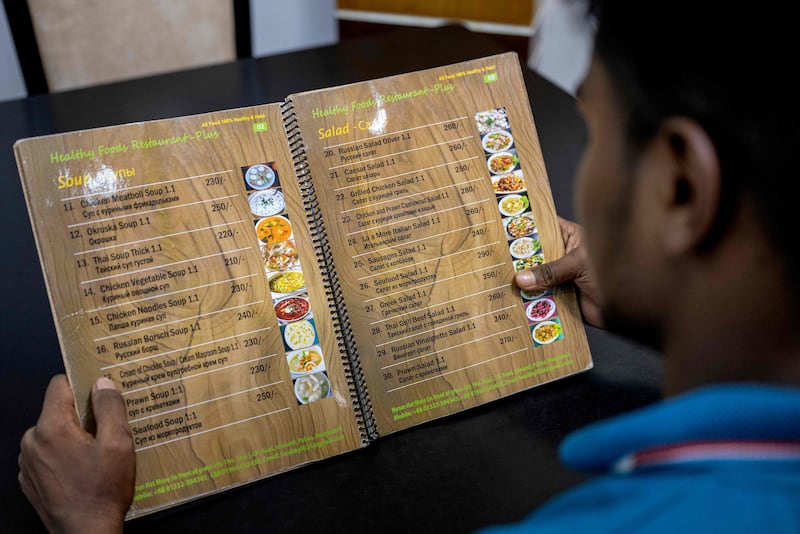
From October 1, in restaurants at hotels in Abu Dhabi licensed by the Department of Culture and Tourism, the SEHHI programme badge has appeared next to certain dishes. According to The National, this covers about 20% of the emirate's restaurants. Importantly, the label assesses individual dishes rather than the menu as a whole: the badge means that a specific dish meets SEHHI's nutritional criteria.
What is required of restaurants
Participating restaurants must offer at least one dish meeting the criteria in each category of the adult menu — starters, main courses and aperitifs. At least half of the dishes in children's menus must also meet the requirements. “You can order anything, but now you will know which options are healthier,” said Dr Ahmed AlKhazraji, executive director of Healthy Living at the Abu Dhabi Department of Health.
Part of a broader programme
The initiative is part of Healthy Living — Abu Dhabi, a government-backed movement with 28 initiatives spanning government bodies, the private sector and communities. Dr AlKhazraji explained the motivation by the scale of the problem: non-communicable diseases — obesity, cardiovascular disease and diabetes — account for three quarters of deaths worldwide, and nearly half of people with such diseases die before the age of 70. According to him, of the 23 modifiable health factors, 19 lie outside the healthcare system.
Other elements: from supermarket shelves to product composition
The menu labels complement other measures reported by The National. The Nutri-Mark system, developed by the Abu Dhabi Quality and Conformity Council, assesses the nutritional value of packaged products within a single category; according to research by the Behavioural Science Group, it has increased shoppers' understanding of composition information by 30%. From January 1, 2027, an initiative by the Abu Dhabi Registration Authority on “responsible placement” comes into force: products high in fat, salt and sugar must no longer occupy the most prominent zones of supermarkets and their online platforms. In addition, the UAE has announced limits on sugar, sodium and fat for popular packaged products — bread, flavoured milk and yoghurt, processed cheese and salty snacks; they will be introduced in stages from June 2027 until 2030. The principles of the approach are set out in the Healthy by Design white paper presented at the Abu Dhabi Future Health Summit: it describes how behavioural science can reshape the food and physical activity environment, including shaded walking routes and more movement in the school day.