The key facts
- Eisenkot intends to form a 'broad Zionist government' and prevent new elections
- Netanyahu's bloc won 53 mandates, the opposition 48, and Arab parties 19 of 120
- Until a government is formed, Eisenkot will support military action only in response to a direct and immediate threat
Statement after meeting with Lapid
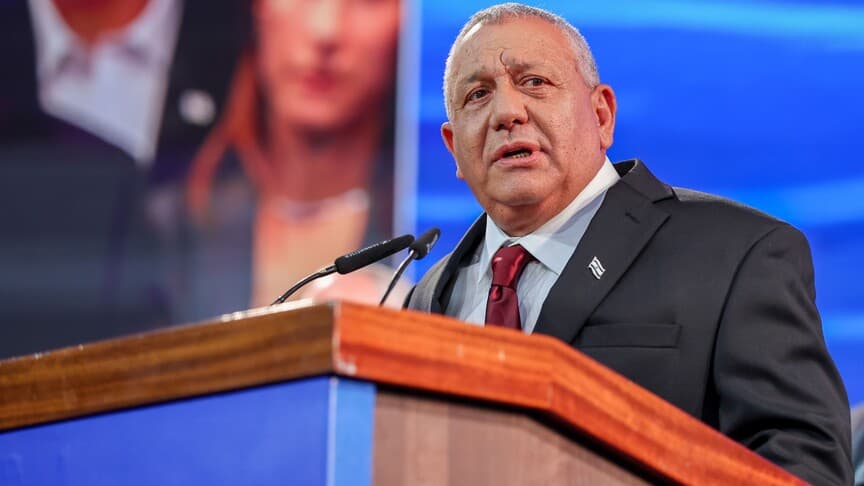
Gadi Eisenkot, leader of the Israeli opposition party Yashar, said on Saturday, October 31, that he would work to form a broad new government in order to avoid the need to hold another election. He made the statement after a meeting with opposition leader Yair Lapid, laying out the conditions and priorities for a future coalition following the inconclusive parliamentary elections held on October 27, Anadolu reports, citing Ynet. 'Based on these principles, I intend to create a broad Zionist government committed to the national interest,' Eisenkot said.
Coalition conditions and priorities
Eisenkot reiterated four conditions for joining the future coalition: recognition of Israel as a Jewish, democratic, liberal and egalitarian state; commitment to the values of Israel's Declaration of Independence; mandatory military, national or civilian service for all Israeli citizens; and recognition of Hamas as a terrorist organization whose military and governing capabilities in Gaza must be eliminated. 'The door to the government we will build will be open to any elected official who accepts these principles,' he added. Among his near-term priorities he named establishing a state commission of inquiry, introducing mandatory service for all citizens, expanding the size of the military, improving benefits for service members, and repealing legislation tied to the current government's judicial reform.
Limits on support for military action
Until the new government is formed, Eisenkot limited his support for possible military action against Iran: 'I will support military action only in response to direct and immediate threats to Israel that cannot wait until a government has been sworn in.' He also stressed that the composition of the next government must be determined solely by Israeli citizens, without outside interference or manipulation, and reminded that the Knesset grants confidence to the government, not the other way around.
The balance of power in the Knesset
The statement followed the announcement of the final results of the Knesset elections: Netanyahu's bloc won 53 of 120 seats, the opposition bloc led by Eisenkot took 48, and the Arab parties 19. Neither of the main blocs secured the majority needed to form a government on its own, which is what defines the current struggle over the coalition.