The key facts
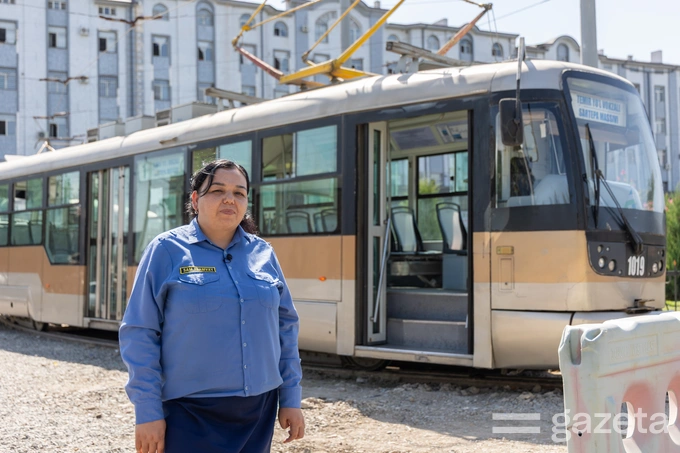
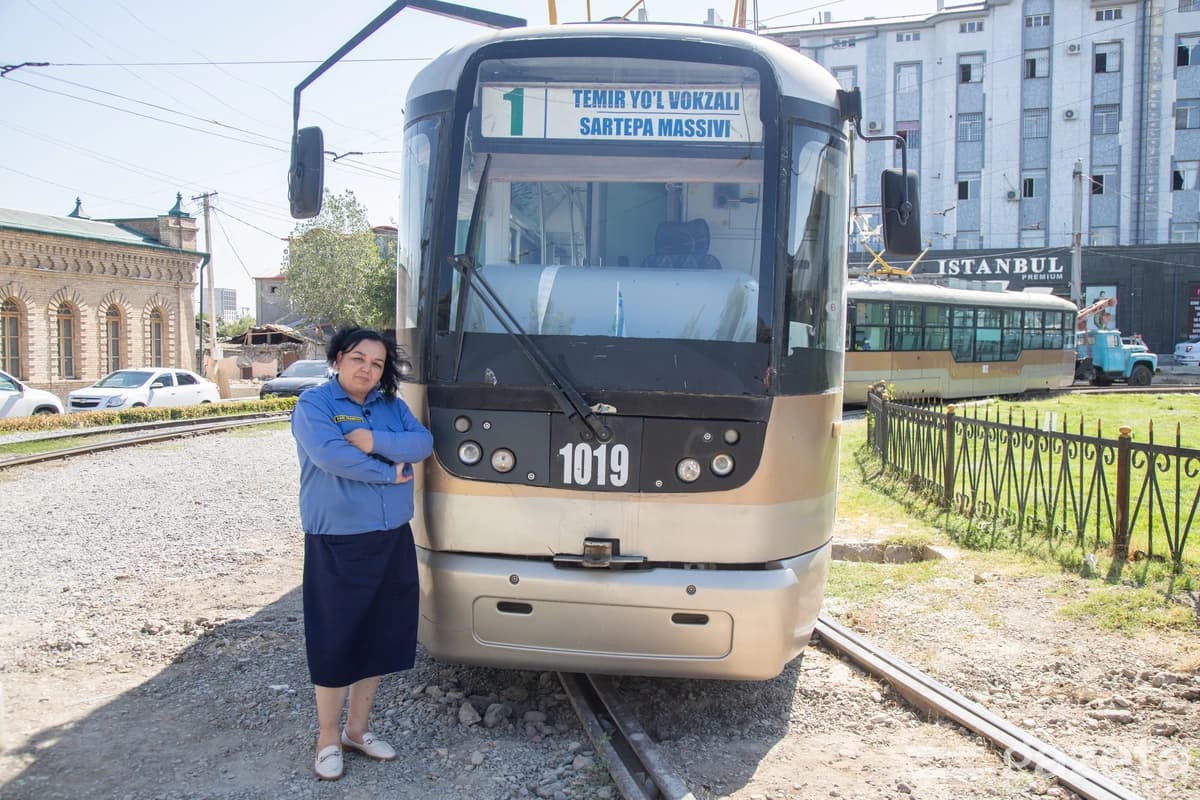
- Dilorom Obloqulova has been working as a tram driver in Samarkand since February 2020; before that, she was a housewife for 22 years
- She decided to make the change after seeing a woman driving a tram in 2019; at the time she joined the depot, only three women drivers worked there
- Fares: 3,000 soums in cash and 2,000 soums by bank card; trams run from 6:00 to 23:00 on two routes
From housewife to tram driver
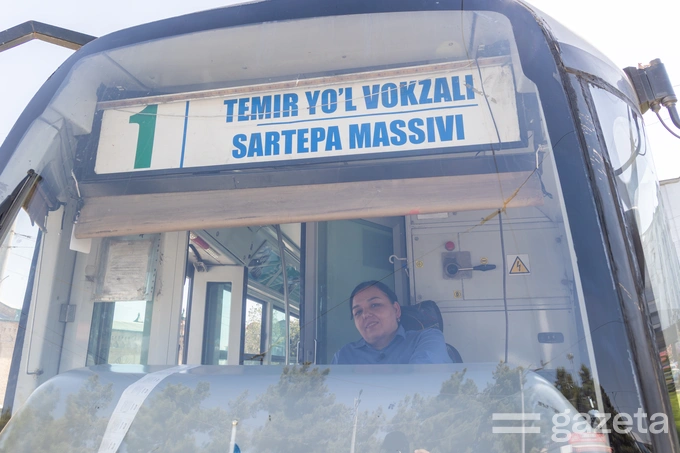
Dilorom Obloqulova has been working as a tram driver in Samarkand for six years now — before that, she was a housewife for 22 years. The impetus for the change came from an incident in 2019: after seeing a woman driving a tram on the city streets, she asked herself why she couldn't master this profession too. According to her, her husband supported the idea, and together they went to the tram depot. At that time, only three women drivers worked at the depot. An interview with her was published by Gazeta.uz.
Training and the first months
Obloqulova obtained her passenger car driving license back in 2012, but never got behind the wheel — the family could not afford a car. In 2019, she completed a 4.5-month tram driver training course, then three months of practice with experienced drivers, and in February 2020 she began working independently. The decision was not easy: she admitted she was afraid of the responsibility for hundreds of passengers in the tram car and felt embarrassed by the public attention on the street — according to her, women in such professions were a rarity there. In the first months of her work, her husband even secretly worked as a conductor in her tram, without the passengers knowing, to support her; only their colleagues knew about their relationship. Her brother, who lived abroad and had seen women working in various professions there, also supported her.
Routes, passengers and fares
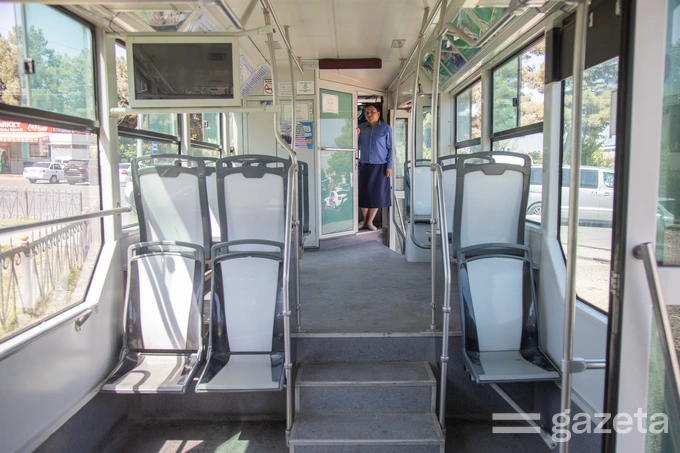
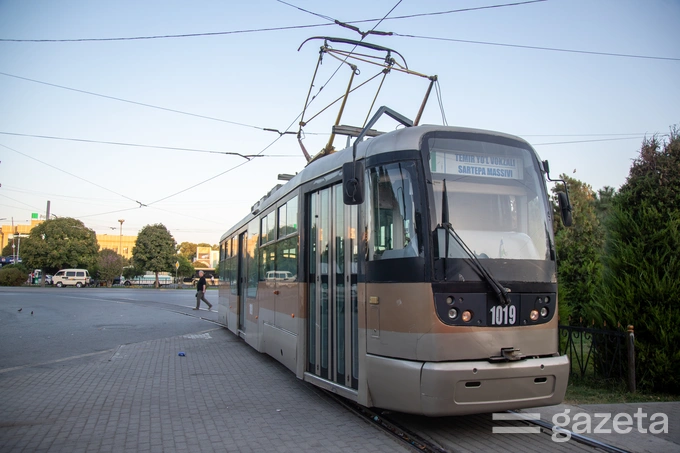
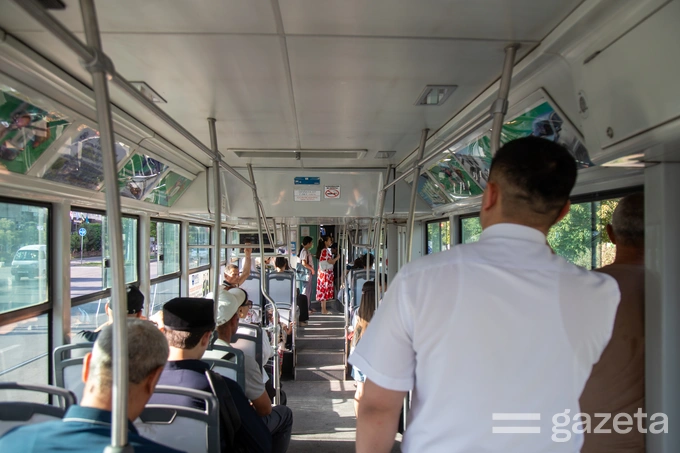
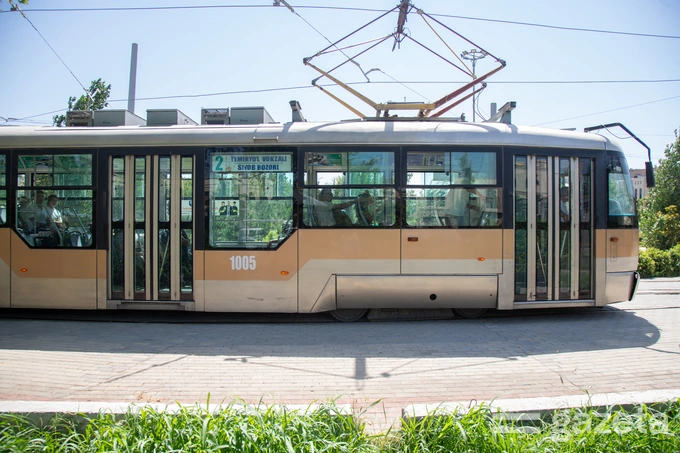
The Samarkand tram runs on two routes: from the railway station to Sartepa and from the station to the Siab bazaar. Obloqulova mostly works on the first route: the tram covers six kilometers in about 21 minutes. Service runs from 6:00 a.m. to 11:00 p.m. The fare is 3,000 soums in cash and 2,000 soums by bank card. Among the passengers are morning commuters heading to work and study, schoolchildren, parents with children, and elderly people for whom, as the driver has observed, the ride is a way to take their mind off things: she told the story of an elderly passenger who rode simply 'for the ride,' having no errands. Many foreign tourists also use the tram, especially on the second route — to the Islam Karimov mausoleum and the Siab bazaar.
Work and plans
The driver notes that the job requires constant attentiveness: some motorists drive onto the tram tracks, and pedestrians distracted by their phones do not hear the tram bell, especially on the city's narrow streets. In six years, she says, she has never encountered hostility from passengers — on the contrary, people are surprised, ask about her profession, and thank her. Her children suggested she retire and said they would 'pay her salary themselves,' but she does not work only for money: she loves the profession and communicating with passengers. Over the years, she has become fluent in Uzbek and Russian, and now wants to learn English to communicate with tourists. Obloqulova would also like to see trams appear in other cities of Uzbekistan, and she addresses women and housewives: 'It is never too late. If you believe in yourself, you can achieve a lot.'