The key facts
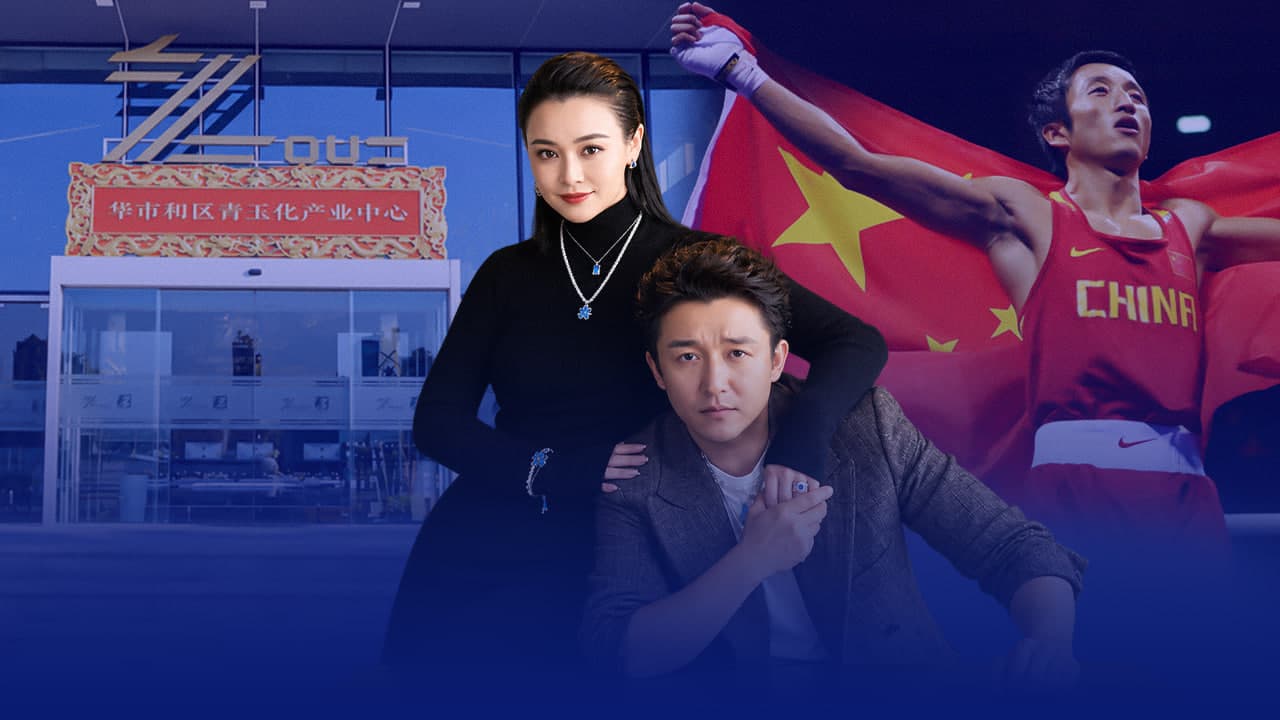
- Zou Shiming, a two-time Olympic champion, earned about 200 million yuan but went bankrupt through business ventures
- The 18,000-square-meter boxing center in Shanghai was profitable for only one month in 7 years
- By spring 2026, bank loans had been repaid, but a debt of 40 million yuan to friends remains
From the ring to business
Two-time Olympic champion (Beijing 2008 and London 2012) and three-time world amateur champion Zou Shiming turned professional in 2013 at the age of 32 and moved to the USA. His purses for the first fights were 250,000 and 500,000 dollars; however, as Kun.uz notes, boxing itself in the lighter weight classes, with modest payouts, could not have brought in the claimed 200 million yuan — the foundation of his capital was leveraging the athlete's name into show business and advertising. After his first defeat in a title fight in 2015, his wife Ran Yingying, who holds an MBA from Peking University, persuaded him to take part in the reality show
The failed boxing center
In 2014, Zou suffered serious damage to the retina of his left eye — doctors warned that another strong blow could cost him his sight, but he continued competing and ended his career only after a heavy knockout loss to Japan's Sho Kimura in July 2017, losing the WBO belt. Instead of a quiet life, he decided to build a large boxing center to employ veteran boxers. His biggest mistake was opening, in 2018, an 18,000-square-meter complex on the banks of the Huangpu River in Shanghai: his wife suggested a high-traffic location, but Zou chose an area with poor transport accessibility and had to build a road to it at his own expense. Annual rent exceeded 50 million yuan (about 7.5 million dollars), and expenses were amplified by excessive luxury — a crystal chandelier costing 3 million yuan, German treadmills at 200,000 yuan each — the handing of management contracts to relatives, and staff growth from 15 to 300 people. An annual membership cost between 38,000 and 88,000 yuan — roughly five times the Shanghai average — so even on the best days the gym had no more than 30 clients, and over 7 years the center operated at a profit for only one month.
A string of failures and the path to paying off debts
Instead of drawing conclusions, the couple opened more than 20 companies in fields they knew nothing about — the Ran Wei restaurant with an average bill of over 300 yuan, fashion clothing, esports, and a chain of tea houses — and all of them failed. Pandemic lockdowns paralyzed the offline business; in an attempt to cover losses, 80 million yuan went into P2P pyramid schemes and 40 million into cryptocurrency, all lost without a trace. The family did not set up trust funds to protect their assets; on the contrary, they gave a personal guarantee for the boxing center, turning the business's debts into personal obligations. They had to sell homes in Beijing, Guiyang, the USA, and Shanghai, including a mansion on the Shanghai waterfront for 82 million yuan, and Ran Yingying sold 72 Hermes bags and more than 200 pairs of unworn shoes. Amid the debts, the couple filed for divorce three times, but their three children and joint loans made divorce impossible. Then Ran Yingying began selling goods in livestreams for 14 hours a day, while Zou returned to exhibition fights and commercial events. By spring 2026, according to their own statement, the main loans from three major banks had been fully repaid, and the debt burden had fallen by 80%; a debt of 40 million yuan to close friends remains. The publication notes that the couple, without declaring bankruptcy, openly admitted their mistakes and continue to pay off their debts through hard work, which has earned public recognition.