The key facts
- A hungry child concentrates worse and has trouble holding attention in class
- Sweet pastries provide quick but short-lived satiety
- Do not force a child to eat — it is better to adjust the routine to the school schedule
Breakfast and academic performance
A child sent to school hungry may find it harder to concentrate, hold attention, and work actively in class. This is especially noticeable in children who tolerate long gaps between meals poorly, Ekaterina Morozova told Gazeta.Ru, chief pediatrician at the Medicine clinic (the Roitberg Academic Clinic), Candidate of Medical Sciences.
What breakfast should be like
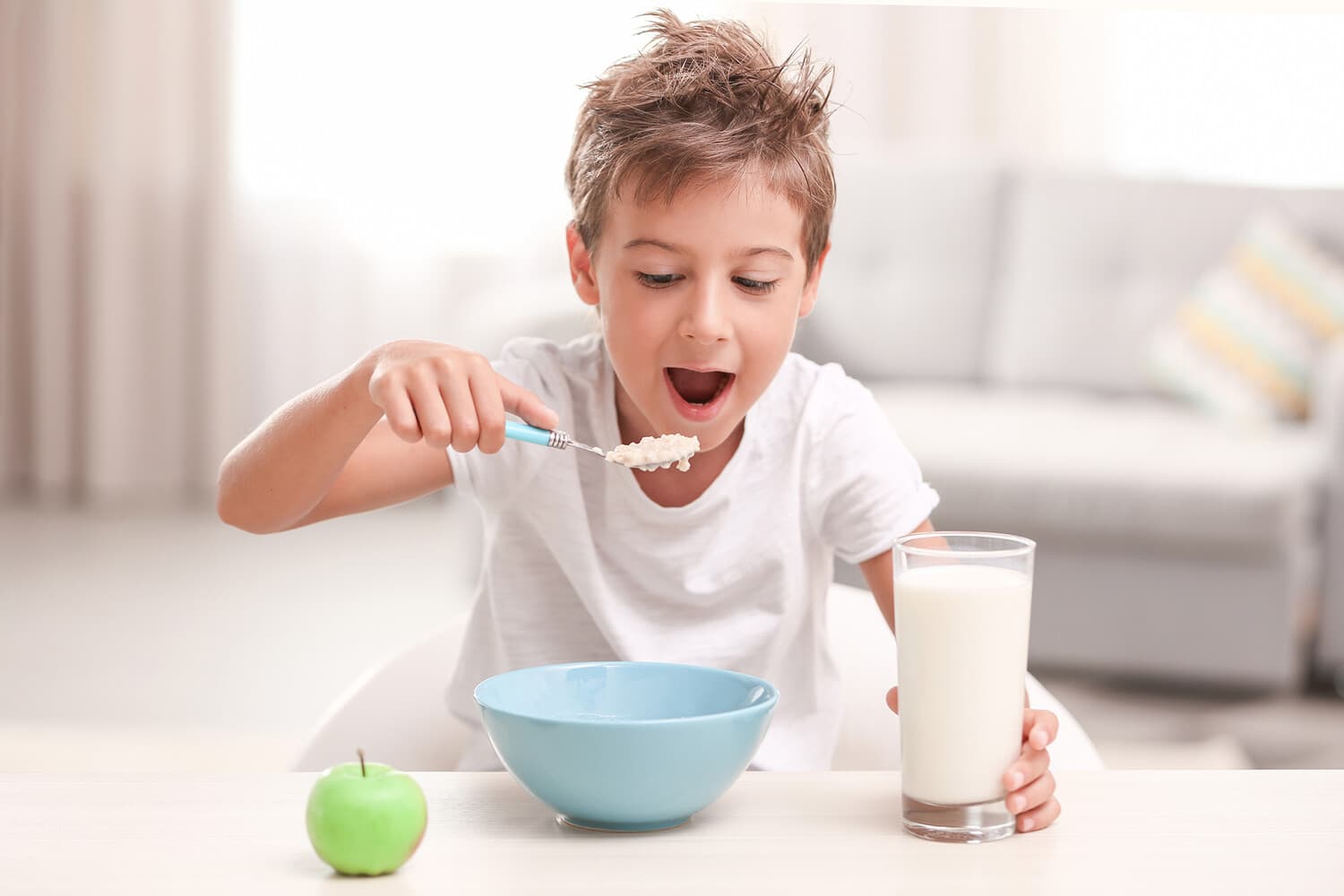
According to the doctor, breakfast should not be huge — what matters is a combination of foods that provide long-lasting energy: a source of protein, carbohydrates, and a little healthy fat. Suitable options include porridge with an egg, cottage cheese with fruit, natural yogurt with oatmeal and berries, or a whole-grain sandwich with cheese. A sweet bun, cookies, or a chocolate bar give a quick burst of energy, but the feeling of fullness is short-lived: after a large amount of simple carbohydrates, a child may feel hungry, tired, and irritable again. The doctor does not advise banning sweets entirely — it is wiser to combine carbohydrates with protein and fiber, for example by adding yogurt or nuts to a banana, or cheese to a crispbread.
If the child does not want to eat in the morning
Forcing a child to eat right after waking up is not worth it, the specialist notes. You can offer a small breakfast later or pack a snack the child will eat during the first hours of school, gradually adjusting the eating schedule to fit the school timetable. A banana before a test is a convenient snack, but not a 'brain food': it contains carbohydrates, potassium, and vitamin B6 and is easy to digest, but one should not expect a noticeable improvement in academic performance from a single product.
The emotional side
If a child regularly refuses to eat at school, the reason may not be pickiness: sometimes anxiety, an unfamiliar environment, a lack of time to eat, or problems with peers get in the way. The parents' task, in the doctor's view, is not to make the child eat a perfect breakfast, but to create a clear and calm routine. Good learning requires not only calories but also sleep, physical activity, rest, and a healthy psychological state. Earlier, as the outlet notes, the doctor already explained to parents what to do if a child refuses to eat anything.