The key facts
- “Arcana Borealis” at the Ateneum museum is the first major museum exhibition on the connection between women artists of the Nordic countries and Sápmi and esotericism
- More than 200 works by 50 women artists, including Hilma af Klint, Tyra Kleen and Tove Jansson
- The exhibition is open until 28 February 2027
The exhibition and its scale
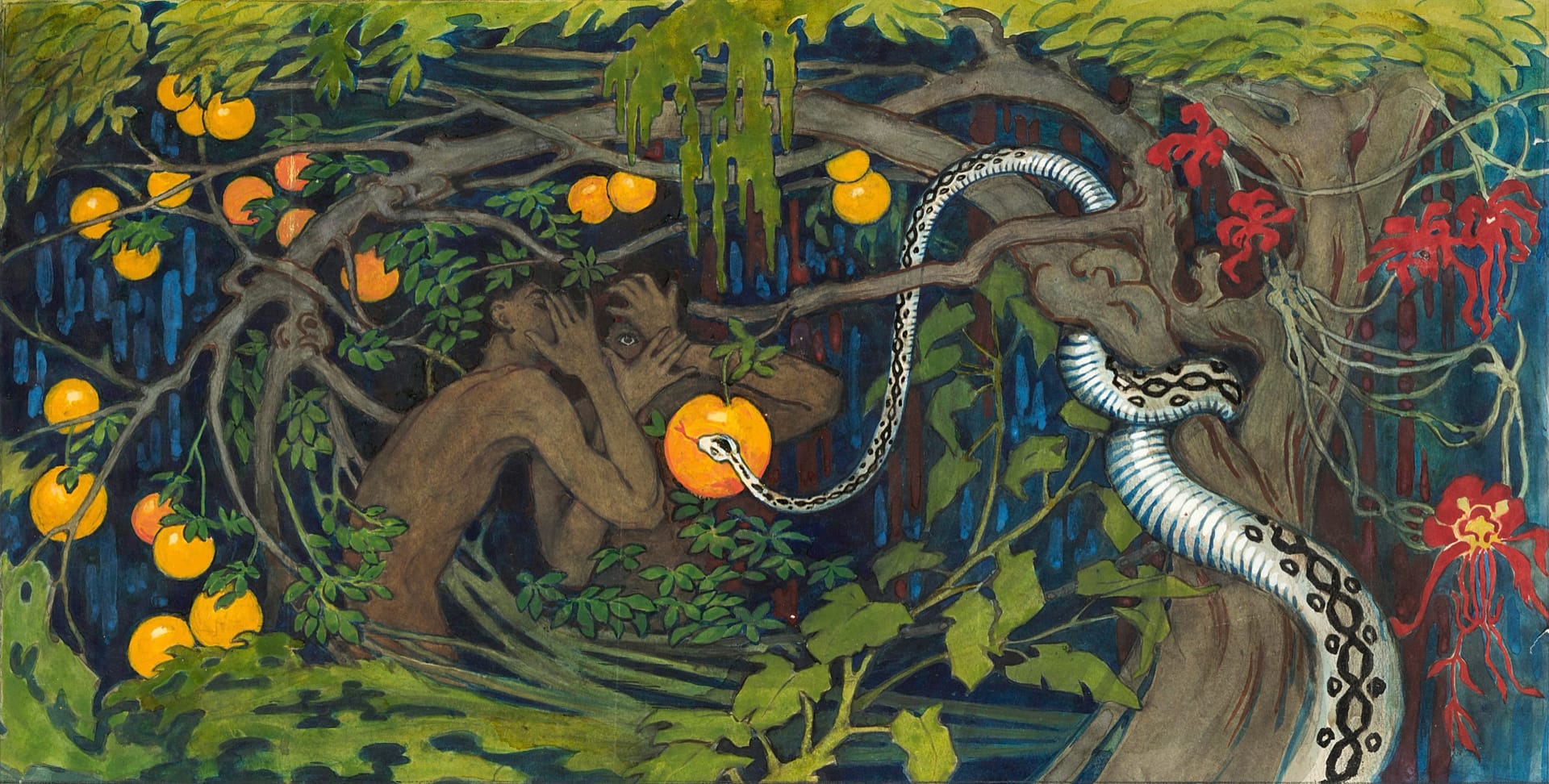
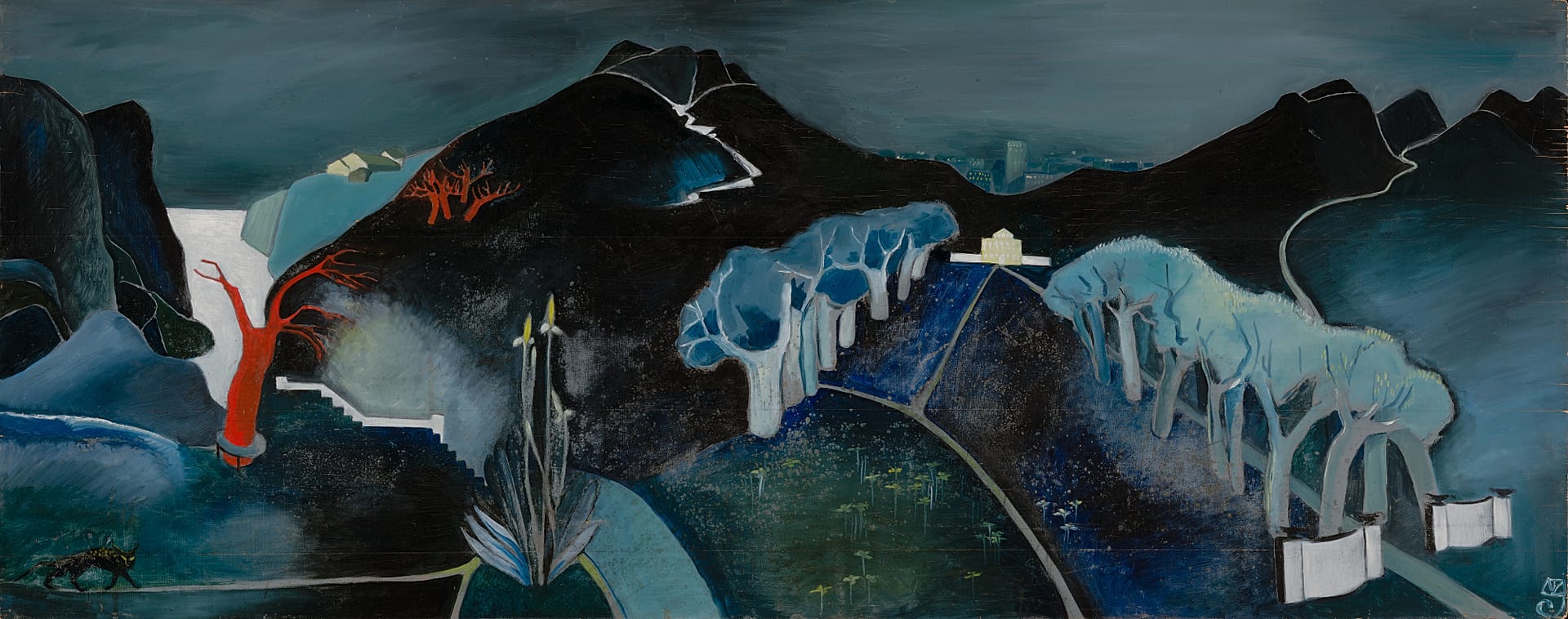
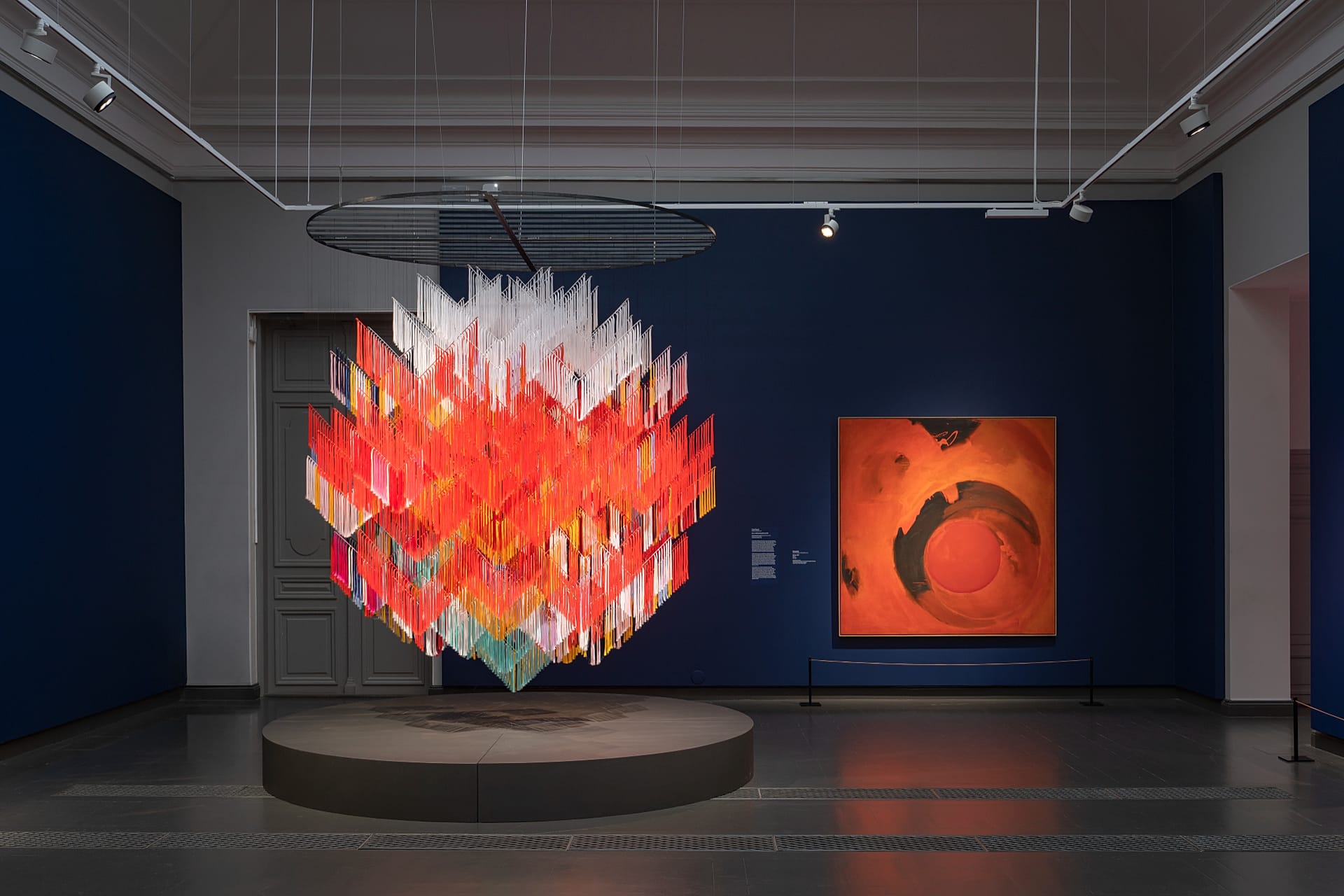
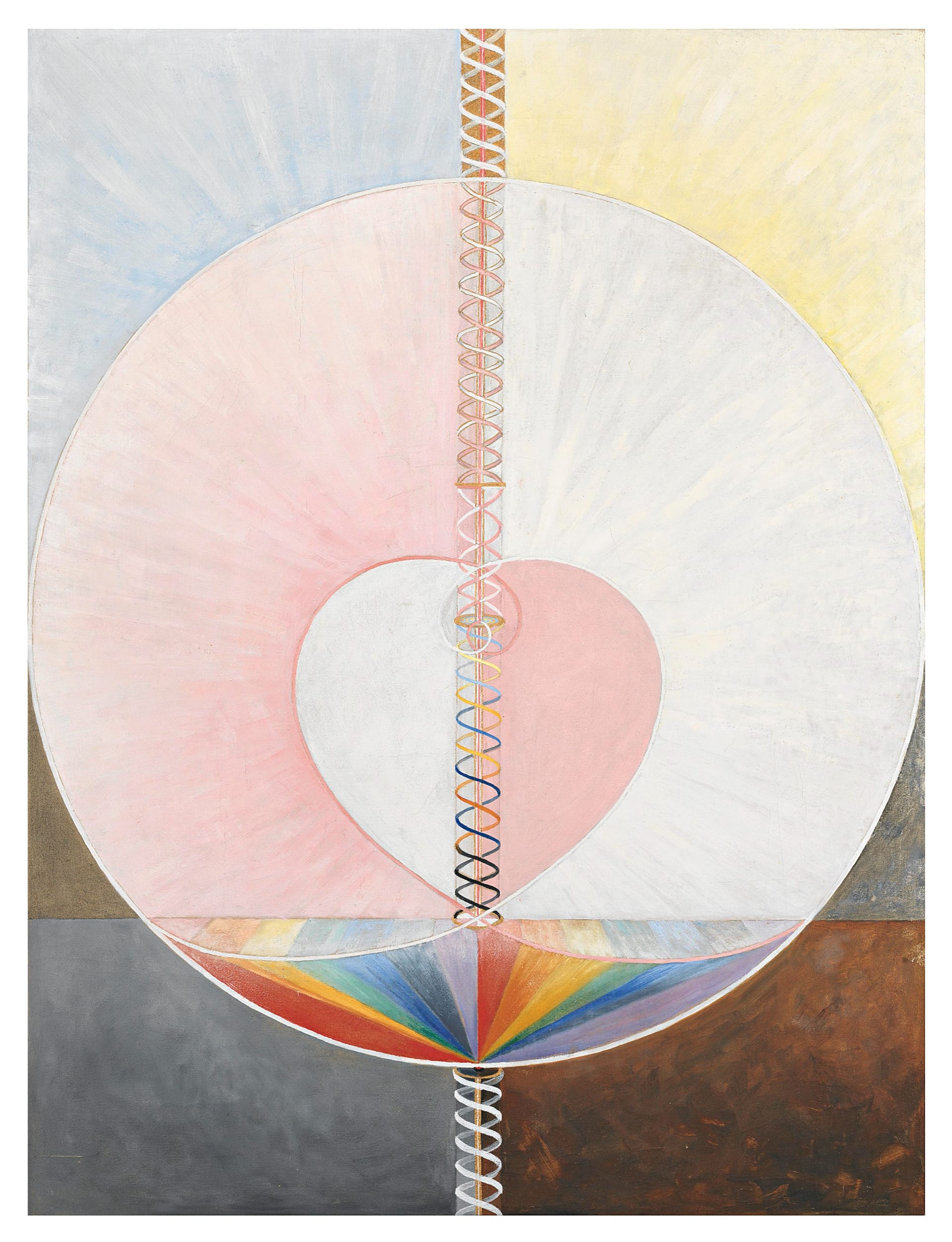
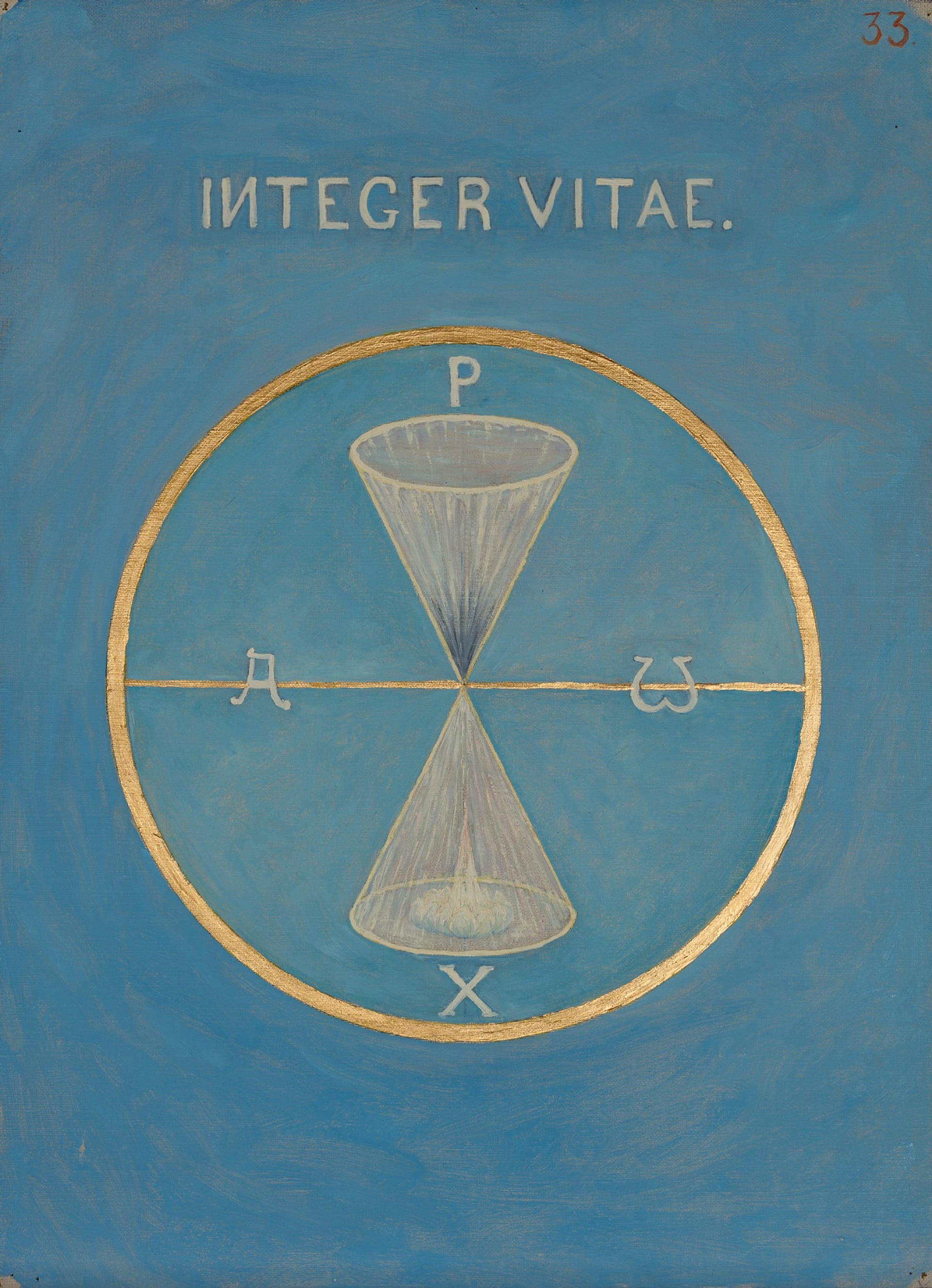
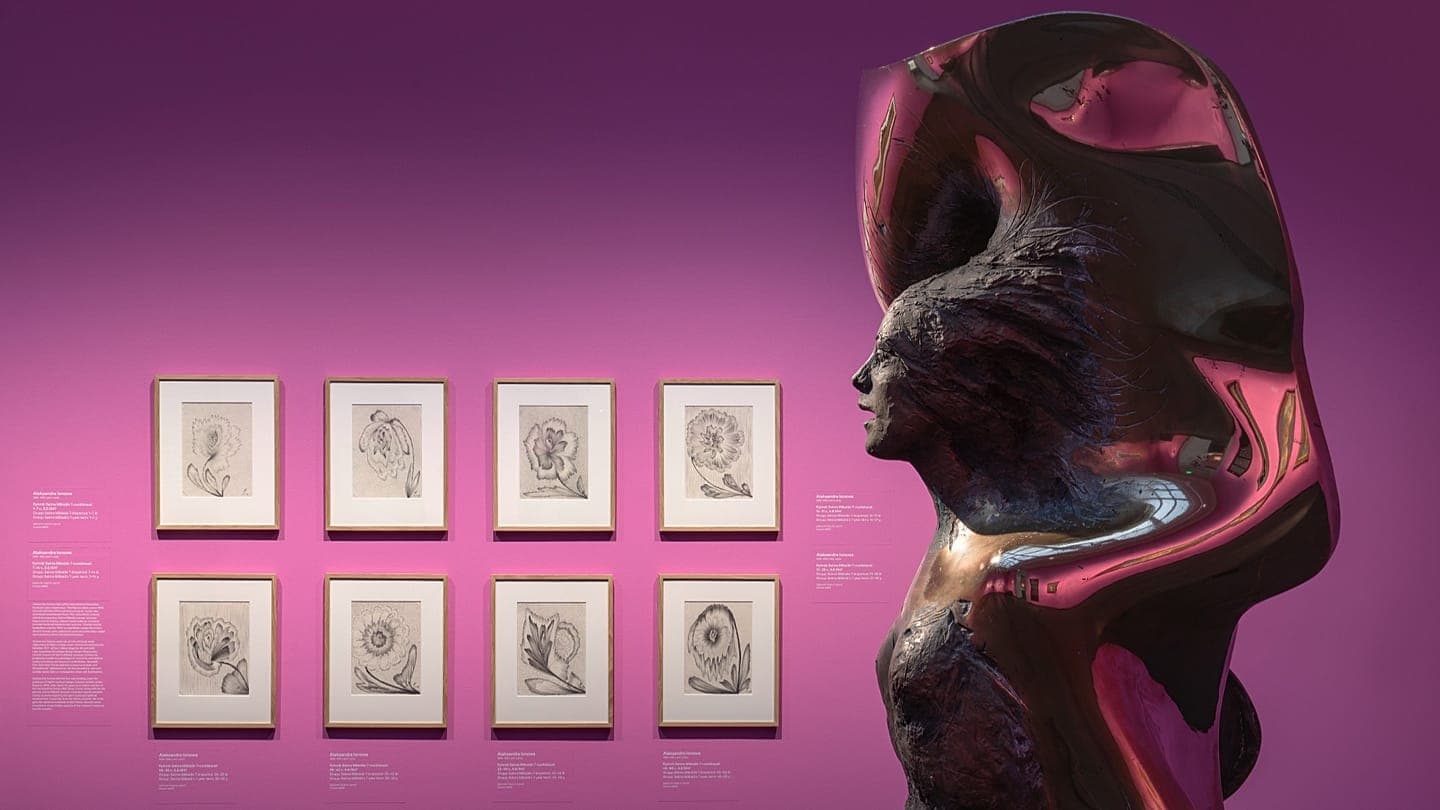
The Finnish National Gallery has opened an exhibition at the Ateneum Art Museum “Arcana Borealis — Northern Women and Esotericism”: the Latin words in the title mean “hidden knowledge” and “north”. According to Euronews, this is the first major museum exhibition devoted to how women artists from the Nordic countries and Sápmi have turned to esotericism, spirituality and alternative systems of knowledge from the 19th century to the present day. More than 200 works by 50 artists are on display — both well-known figures and those who previously remained in the shadows, among them Hilma af Klint, Tyra Kleen and Tove Jansson.
A shift in the focus of art history
Ateneum chief curator Dr Marja Lahelma noted in a comment to Euronews Culturethat the connection between modern art and esotericism, occultism and magic had previously been studied mainly through the work of famous male artists. According to her, art history has long been subordinated to narratives about the “individual genius”, whereas the exhibition focuses on women and on the idea of community and collaborative work. Co-curator Dr Nina Kokkinen from the University of Turku added that, through the lens of women artists and esotericism, the boundaries between art and spirituality, fine art and craft, individual authorship and collective creativity become blurred.
Materials and themes
The range of materials is remarkably broad: textiles, ceramics, metal engravings, as well as media traditional for sacred art — stained glass and mosaics. A separate thread of the exhibition is the matrilineal transmission of craft traditions: Sámi duodji combines spirituality, knowledge passed down from generation to generation, and values connected with nature. Some of the featured artists, according to the curators, said that they were guided by some non-human force — angels, spirit guides or a source contained in nature. Lahelma called the exhibition suitable for visiting at Halloween or the Finnish Kekri: through the esoteric theme of light and darkness, the motif of death can be explored in art. The exhibition is open until 28 February 2027.