The key facts
- The resolution of the Council of People's Deputies of Tashkent enshrines the duty to lower ramps in drivers' job responsibilities
- By December 1 — a re-inspection of ramps on buses and at metro stations
- Monitoring of stopping at curbs — via video surveillance, with disciplinary and financial measures
Resolution of the Capital City Council
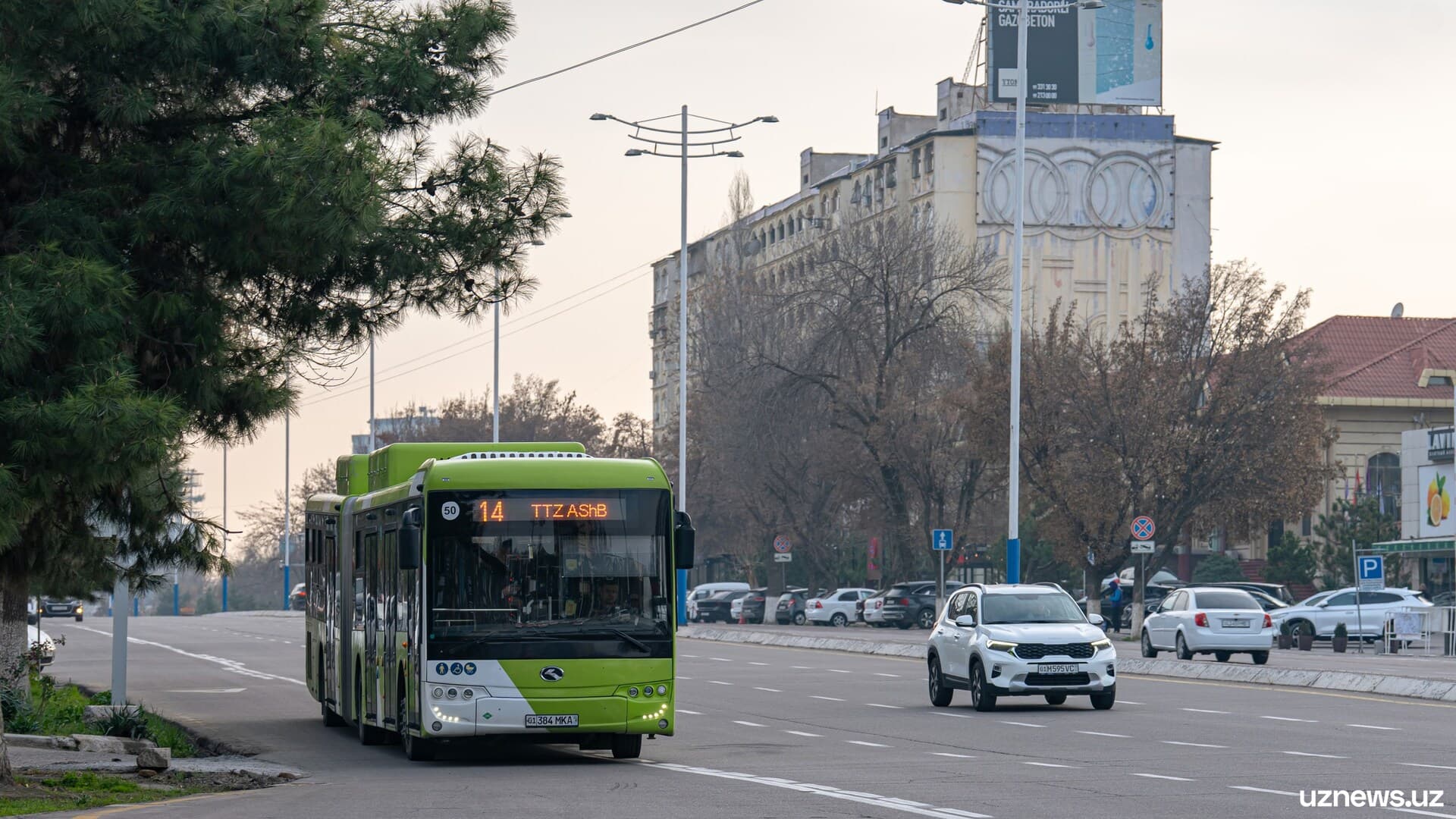
The Council of People's Deputies of Tashkent adopted a resolution aimed at strengthening oversight of the accessibility of public transport for people with disabilities and passengers with baby strollers. UzNews.uz reports this, and the document itself has been published on the e-qaror.gov.uz portal. The resolution notes that passengers with disabilities and those with strollers face difficulties when using public transport: among the problems cited are overcrowded buses, drivers refusing to lower ramps, and vehicles stopping at a distance from the curb.
What changes for drivers and carriers
The key innovation is that the duty to deploy ramps for passengers with limited mobility must be strictly enshrined in the job responsibilities of bus drivers. Refusal to comply with this requirement entails disciplinary penalties under the established procedure. A separate requirement concerns stopping: drivers must stop right up against the curbs of stopping areas, with disciplinary and financial measures provided for violations, and oversight will be organized through video surveillance. Thus, previously informal practices — refusing to lower a ramp or stopping far from the curb — are being moved into the category of recorded violations with concrete consequences for the driver.
Deadlines for equipment checks
By December 1, the responsible organizations must re-check the condition of ramps and other equipment for people with disabilities and passengers with baby strollers on all buses and at metro stations, and take measures to eliminate any identified shortcomings. According to UzNews.uz's summary, the resolution does not specify which organizations have been designated as responsible or how reporting on the results of the checks will be organized — these details can be clarified in the text of the document itself.