The key facts
- Halloween only arrived in Portugal in the 1990s, but the country has its own early-November traditions — Pão por Deus and rural bonfire festivals in the north
- Pão por Deus takes place on the morning of November 1, All Saints' Day, and is also linked to the 1755 Lisbon earthquake
- Unlike «trick or treat», the Portuguese house-visiting tradition is considered peaceful: there is no link between a refusal to give a treat and pranks
Two traditions in one week
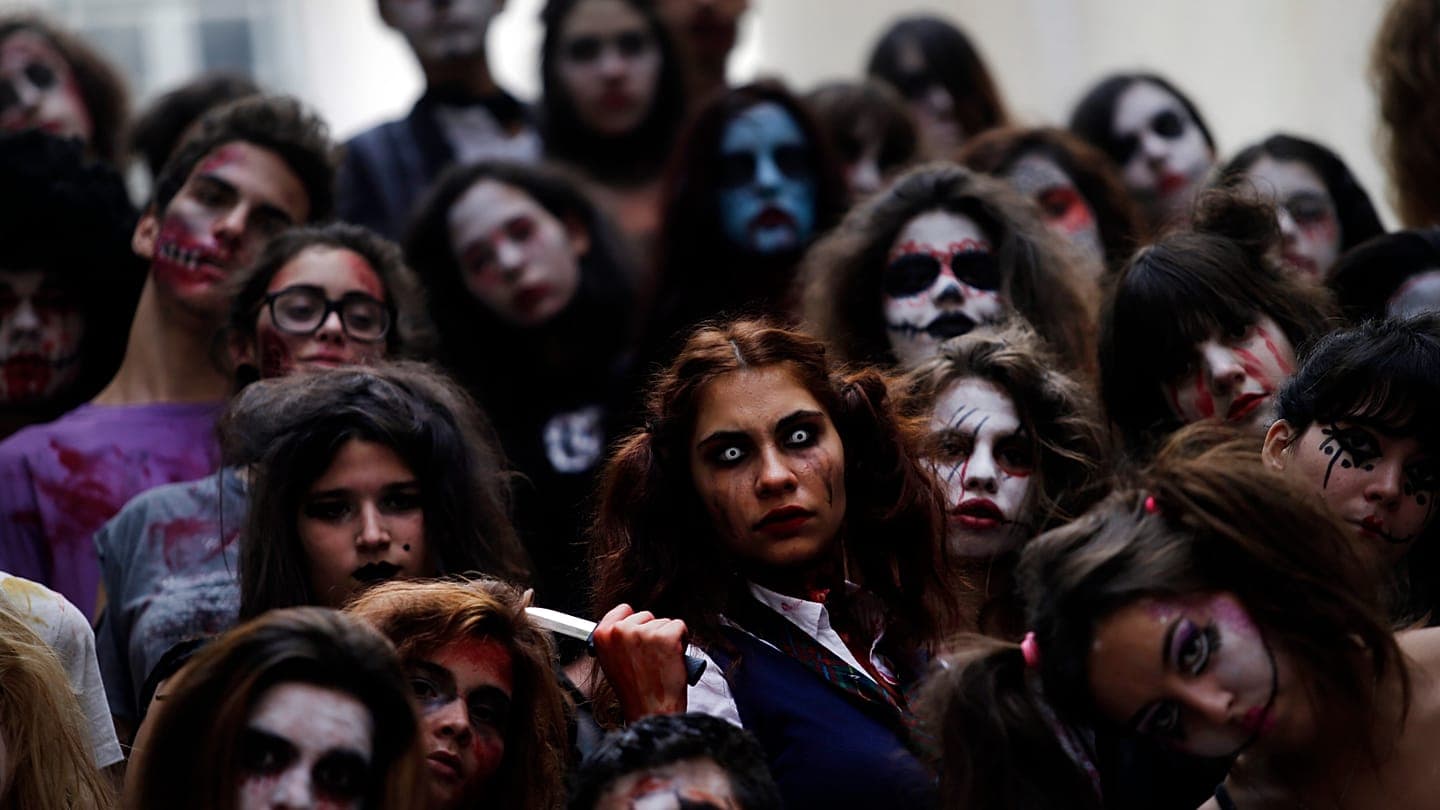
At the end of October, glowing pumpkins, witch hats and skeletons appear in Portuguese shops, schools and shopping malls — signs of Halloween approaching. Although the holiday is not of Portuguese origin and only arrived in the country in the 1990s, on the night of October 31 children in costumes are already knocking on doors with the familiar «doçura ou travessura» — the local version of «trick or treat». This is reported by Euronews in a piece about how the «Day of the Witches» is celebrated in Portugal.
Pão por Deus: bread in memory of the dead
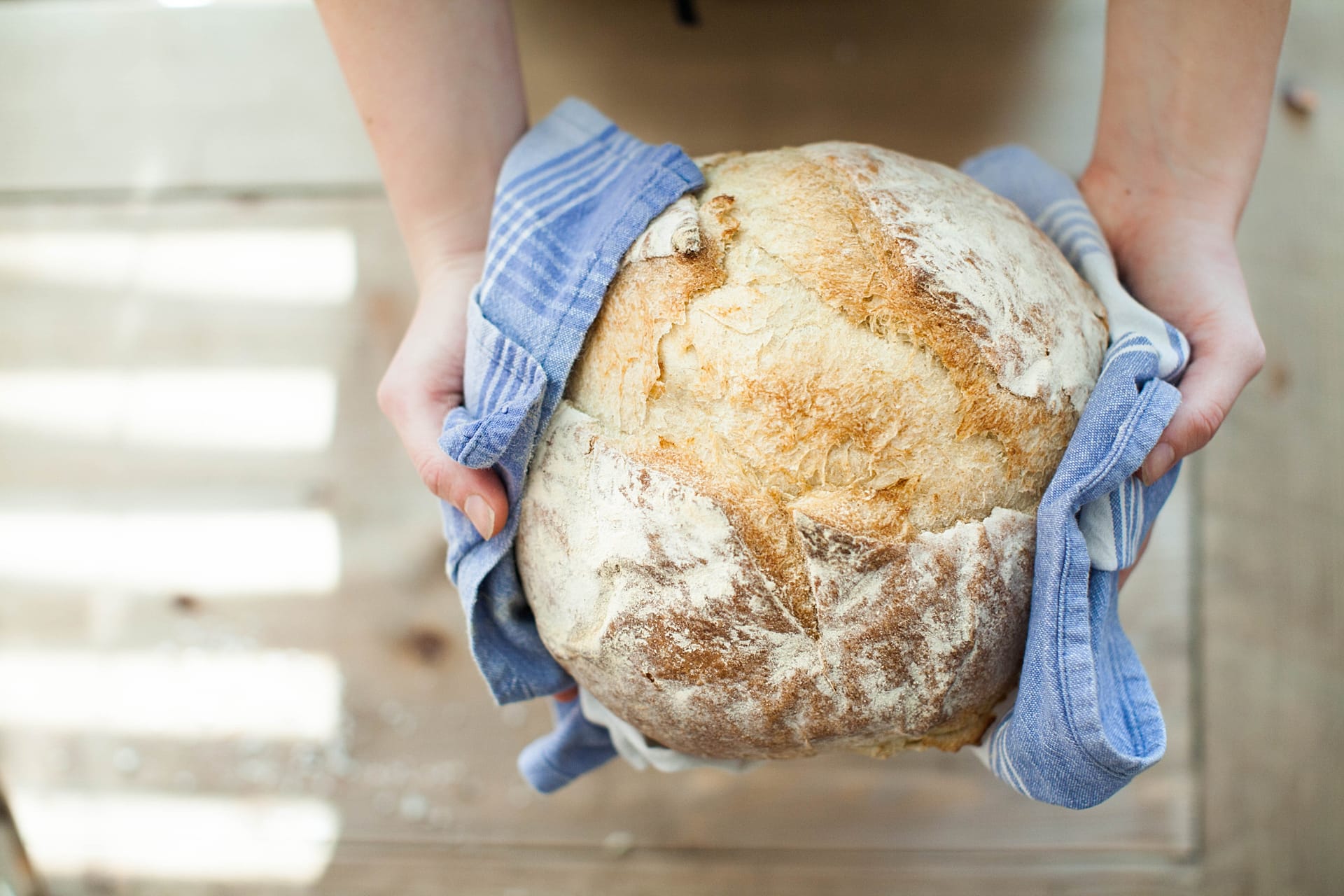
In parallel, there is a tradition of its own — «Pão por Deus» («Bread for God's sake»), timed to the morning of November 1, All Saints' Day, which is a public holiday in Portugal. Children with little cloth bags go from house to house asking for treats; besides the traditional bread, pastries and dried fruit, sweets and even money are given today. The custom is accompanied by reciting little verses, for example: «Pão por Deus, Fiel de Deus, a pastry in the bag, may you go with God».
From pagan roots to the 1755 earthquake
The origin of the tradition remains disputed. According to one version cited by Euronews, «Pão por Deus» emerged in the 15th century in a pagan context and is linked to the custom of sharing food in memory of the dead. Another version connects the spread of the custom with the 1755 earthquake, which destroyed Lisbon precisely on November 1: a year after the tragedy, according to this version, the poorest residents began going from door to door asking for bread. The Euronews editorial team notes that, unlike «trick or treat», the Portuguese custom is peaceful — there is no obvious link between a refusal to give a treat and pranks; the spirit of sharing prevails.
Regional variations
Forms of celebration differ by region. In Estremadura the day is known as «Dia do Bolinho» — people are treated with traditional seasonal pastries. In the Azores, caspiadas are baked — skull-shaped pastries in honour of the dead. In Beira Baixa the tradition is linked to godparents, who give their godchildren the Santoro cake.
Bonfires in the north: Cabra e Canhoto and the Night of the Torches
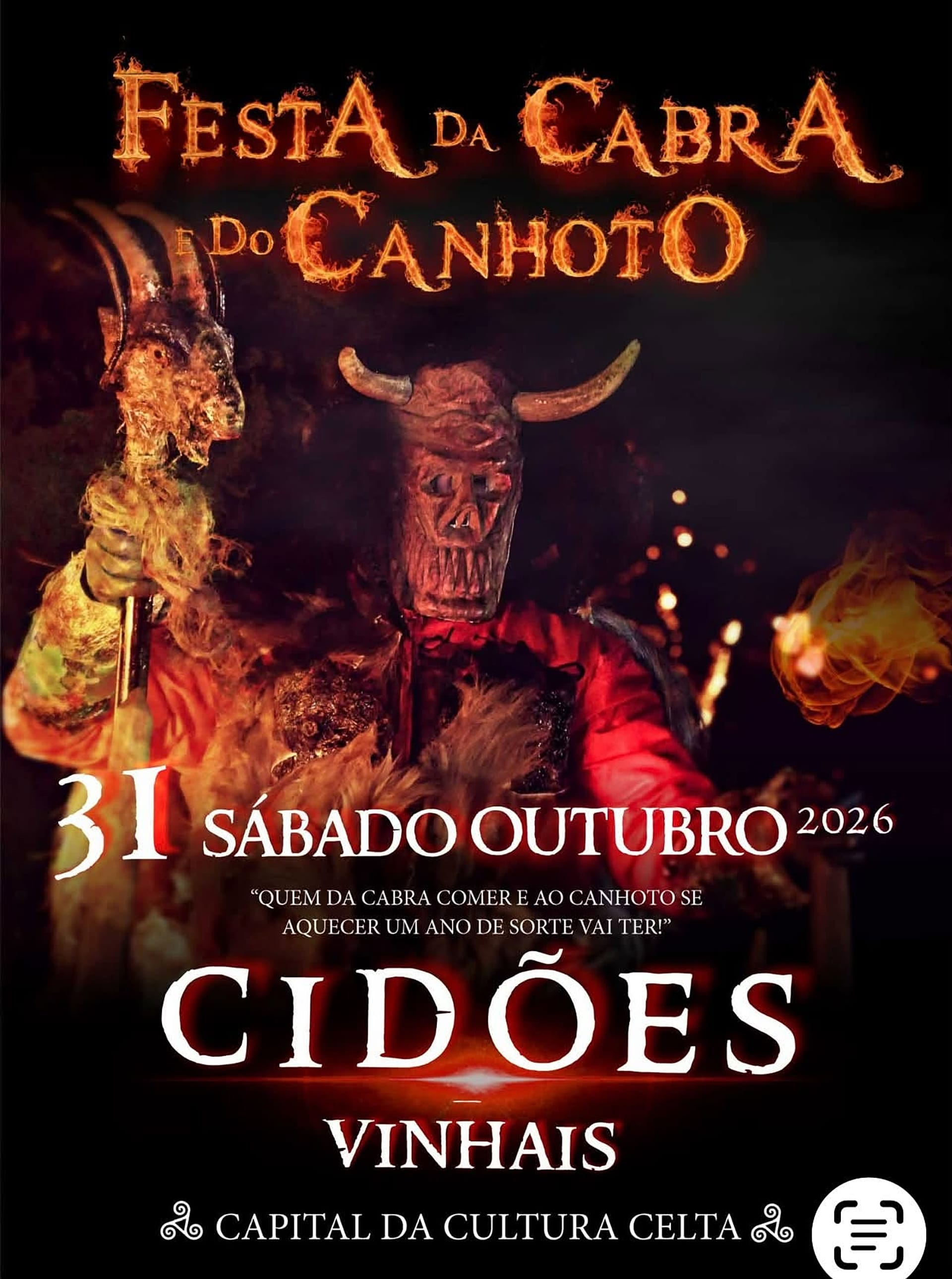
Closer to Halloween's Celtic roots is the «Festa da Cabra e do Canhoto» festival in the village of Cidões in the Bragança district, organised by the Raízes Aldeia Cidões association. As in the Celtic Samhain, a large bonfire is lit here: the canhoto — a huge burning log symbolising evil and hidden forces, which by tradition must be stolen, otherwise it will not catch fire. Goat meat is cooked on the bonfire and chestnuts are roasted, and the programme is complemented by dances, fire shows, bagpipers and the arrival of the Careto character from Trás-os-Montes on an ox cart. The Celts, including the Zoelas tribe, inhabited the Bragança and Vinhais region, and at this time of year, according to the outlet, they marked the transition from the «light season» to the «dark» one, when the worlds of the living and the dead touch.
Further north, in Vilar de Perdizes in the municipality of Montalegre, the «Noite dos Fachos» takes place: participants, usually young people, «steal straw» and climb with lit torches to the peaks of the Serr
a do Larouco mountain range, shouting to scare away spirits, demons or witches. The range, more than 1,500 metres high, bears the name of the Celtic deity Larouco, which, according to Euronews, explains the connection with supernatural rituals. Notably, in this village, where All Saints' Day is held under the motto «Aldeia Assombrada» («Haunted Village»), Halloween took root even before its mass arrival in Portugal.