The key facts
- Netanyahu's bloc is ahead, but neither camp has a path to a majority in the Knesset
- The German Foreign Ministry declined to comment, emphasizing its readiness to work with any future government
- The development minister warned that aid to Gaza cannot be postponed until the end of coalition negotiations
An uncertain election outcome
Two days after Israel's parliamentary elections, Germany is still refraining from assessments, as it remains unclear who will lead the new government. As Deutsche Wellereports, the right-wing bloc led by incumbent Prime Minister Benjamin Netanyahu, which includes religious ultra-right parties, is ahead of the opposition bloc of former Chief of Staff Gadi Eisenkot, but neither has a clear path to a majority in the Knesset, and forming a coalition promises to be extremely difficult.
Berlin's position
The official spokesman for Foreign Minister Johann Wadephul, Martin Giese, declined to comment on the results at a briefing in Berlin, noting only that Germany maintains contacts with Israeli politicians through its ambassador. Wadephul himself stated: the major military operation near Hebron, during which about 3,000 Palestinians were driven from their homes, the minister reminded Israel of its obligations under international law to protect the rights of Palestinians. Germany, unlike a number of other European countries, does not yet intend to recognize a Palestinian state.
Gaza aid and coalition scenarios
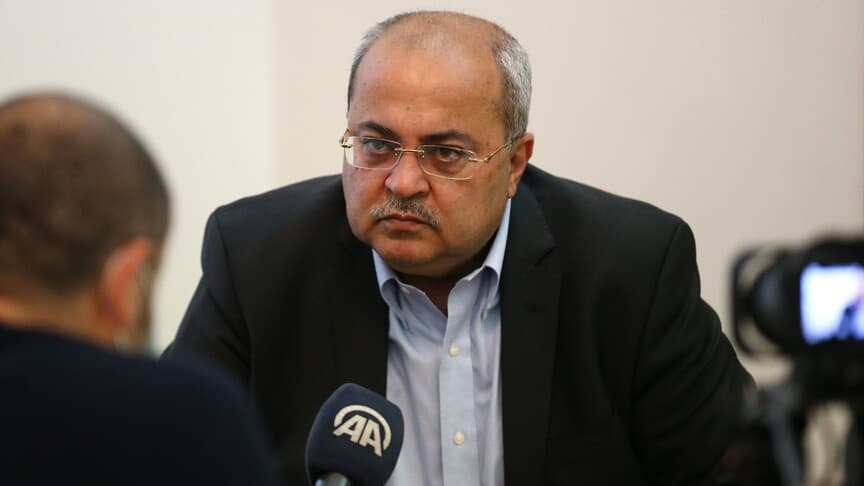
Minister of Economic Cooperation and Development Reem Alabali Radovan warned that the approaching winter will make the situation in Gaza severe and that expanding access for humanitarian organizations cannot wait until the coalition negotiations are concluded. She also called for an end to violence by Israeli settlers in the West Bank and East Jerusalem, noting that Netanyahu's government remains in power on a temporary basis. In the coalition arithmetic itself, Arab parties, which achieved historic results, could play a key role: Netanyahu's bloc and several parties have ruled out cooperation with them, whereas the United Arab List party declared its readiness to work with Eisenkot's bloc. CDU expert Jürgen Hardt allowed for the possibility of a minority government led by Eisenkot with the support of the parties of Arab Israelis, while Bundestag Vice President Omid Nouripour called the mobilization of the opposition good news for Israeli democracy. Berlin, for its part, hopes that the future government will not include ultra-right politicians such as Finance Minister Bezalel Smotrich.