The key facts
- From January 1, 2027, a new procedure for collecting debts for drinking water and sewerage will be introduced
- Debts up to 1,000 BRV are collected through a notary, above that — through the courts, then through the Bureau of Compulsory Enforcement
- After non-compliance, the ability to pay for electricity is restricted; families in the Social Register are excluded
New procedure for collecting water debts
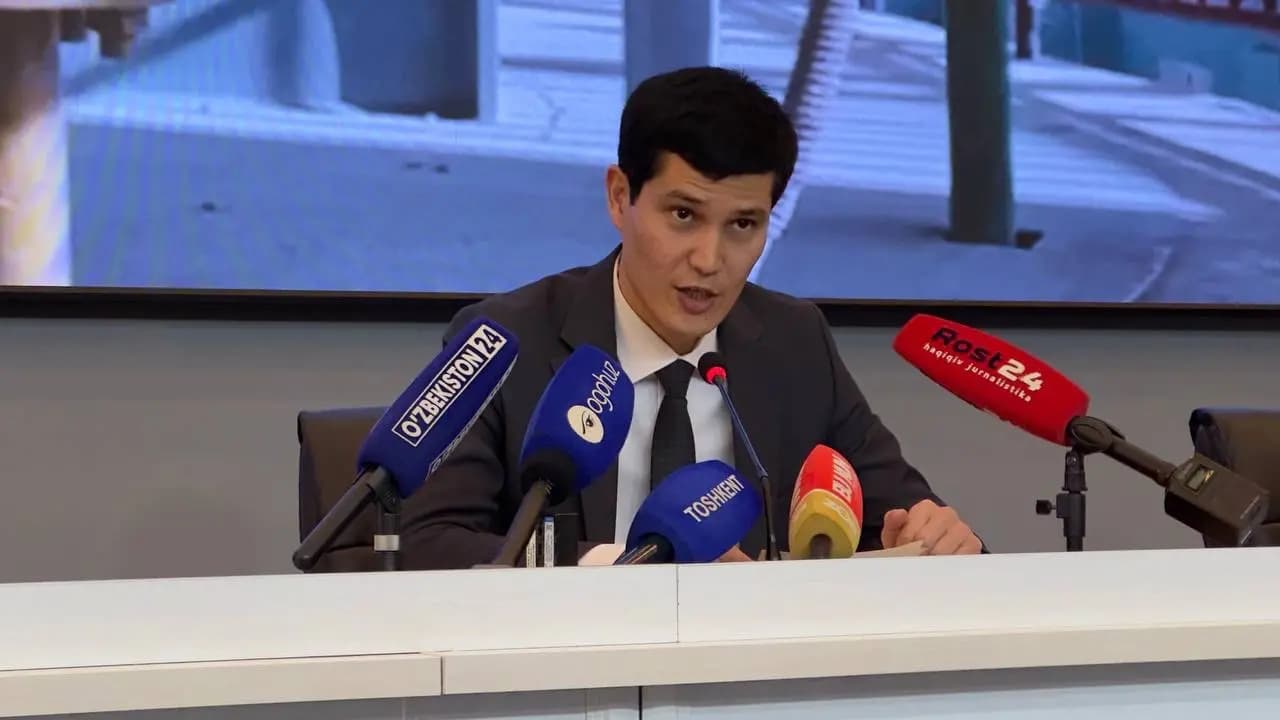
Starting January 1, 2027, a new procedure for collecting debts for drinking water supply and sewerage services will be introduced in Uzbekistan. This was announced on October 30 at a press conference in Tashkent by First Deputy Chairman of JSC Uzsuvta'minot Islom Abdullayev.
How the mechanism will work
Under the current rules, consumers are required to fully pay for water supply and sewerage services by the 10th day of the following month. If payment is not received and a debt arises, the consumer is given a warning and five days to repay the debt. If the debt is not repaid, the provision of services is restricted in accordance with the established procedure and collection measures are taken. From January 1, 2027, if the debt remains unpaid even after the warning, the question of its collection is decided depending on the amount: a debt of up to 1,000 BRV (basic calculation values) is collected through a notary, and above this threshold — through the courts. Enforcement documents are then drawn up and sent to the Bureau of Compulsory Enforcement. If the obligations are still not fulfilled after that, the debtor's ability to pay for electricity is restricted in accordance with the law. The new procedure does not apply to families included in the Social Register.
A similar mechanism already exists for garbage debts
A similar restriction on paying for electricity in case of garbage collection debts has been applied in Tashkent since November 5, 2025, and from December of the same year it was introduced in the other regions of the republic as well. In addition, from January 1, 2026, apartment-by-apartment collection of payments for waste removal services was discontinued: payment is accepted only online through electronic payment systems, and sanitation companies are responsible for the accuracy and reliability of charges. Thus, extending a similar mechanism to water debts from 2027 expands an already tested practice to a new category of utility payments.