The key facts
- 65 of the 152 huts of the Swiss Alpine Club are located in zones of potential threat due to thawing permafrost
- The Mutthorn hut was closed in 2021 due to cracks; the new one was built 900 meters from the old one on more stable ground
- The Aletsch glacier loses 4–6 meters of thickness per year, forcing the ladder to be lengthened every two to three years
Alarm in the alpine shelters
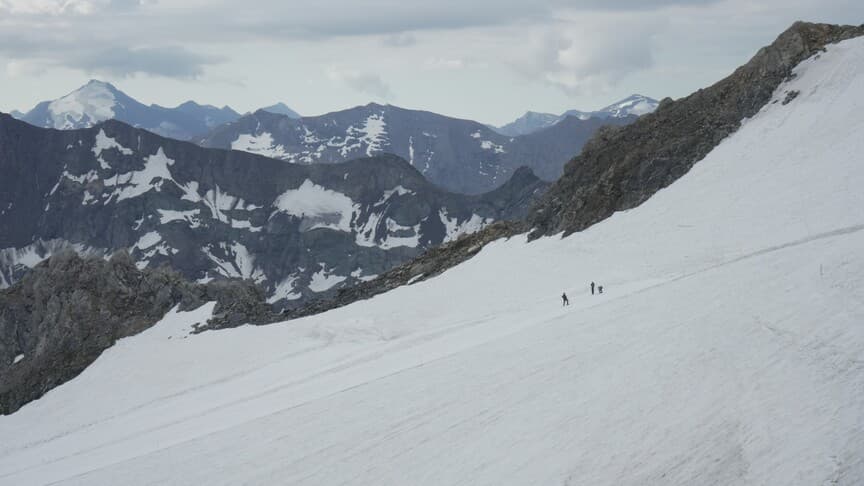
Global warming is increasingly destabilizing the Swiss Alps: thawing permafrost and retreating glaciers threaten mountain infrastructure and affect nearly half of Switzerland's alpine huts. As Swiss Info reported citing data from the Swiss Alpine Club (SAC), 65 of the club's 152 huts are located in zones potentially endangered by thawing permafrost. The club is forced to relocate some buildings and spend millions on new facilities and protective measures. The danger concerns not only the buildings themselves: access routes are becoming more hazardous due to rockfalls, mudslides and ground movement.
The fate of the Mutthorn hut
A telling example is the Mutthorn hut in the Bernese Oberland. Cracks in it gradually widened until it was closed in 2021 due to the threat of collapse caused by thawing permafrost. 'We knew this hut probably would not stand for another hundred years. But the fact that it deteriorated so quickly truly frightened us,' said Fabienne Notter, president of the SAC's Weissenstein section, on air on the Swiss public broadcaster RTS. Niels Halen, head of the canton of Bern's natural hazards service, added: 'We cannot predict what will fall and when. But one thing is certain — it will collapse.'
Relocation and the cost of the problem
The replacement for the Mutthorn hut was built about 900 meters from the original site — on more stable ground, in a location less prone to avalanches. The old hut was completely dismantled in the summer of 2025, at a cost of more than $480,000. Another illustration of the changes is the Aletsch glacier, which loses four to six meters of thickness every year: because of this, the ladder leading to the hut has to be lengthened every two to three years. The problem also affects the water supply: hut keeper Christoph Sager explained that 'when there is no more meltwater left, the existing reserves must last until next May.'