The key facts
- Parks Canada is eliminating the only dog handler rescue position in Banff National Park as part of C$145 million in cuts
- The programme's last dog, German Shepherd Leroy, retired in August; over seven years he helped find 156 people
- More than 5,000 people have signed a petition by Conservative MP William Stevenson to restore the programme
A programme that has operated for 55 years is being shut down entirely
Parks Canada has announced that, starting this month, it is fully ending its canine search and rescue programme by eliminating the last remaining dog handler position in Banff National Park — one of the most remote areas of Canada, visited by more than four million people every year. The news was reported by BBC News citing confirmation from the agency itself, which called the decision a difficult one. The agency attributes the move to the modernisation of its law enforcement branch and assures that search and rescue operations will continue by other means.
What the park is losing
The programme has existed within Parks Canada for 55 years: the dogs were trained to track almost anything — from a paperclip to bullet casings and a human body. After avalanches, a frequent winter hazard in the area, they searched for buried skiers and tourists, saving hours of manual snow probing and reducing the risk of secondary avalanches for rescuers themselves. In summer, the dogs helped find lost children. BBC was told this by 73-year-old Scott Ward, who worked as a dog handler in the Rocky Mountains for 17 years; in his words, we have lost an enormous resource for public and staff safety. Similar canine programmes continue in other countries, in particular in Italy, where rescue dogs are part of the national fire service corps.
The last dog and the unused replacement
The programme's last dog, a German Shepherd named Leroy, retired in August. Over seven years of service he helped track 156 people, find 57 who were lost in the wilderness, and took part in solving two murders in Banff. According to the local newspaper Rocky Mountain Outlook, which BBC cites, a new dog had already been trained and ready for service when notice arrived last week that the programme was being eliminated as part of Parks Canada's budget cuts of 145 million Canadian dollars (about 104 million US dollars).
Reaction and political dispute
The decision has caused public discontent: since Tuesday, more than 5,000 people have signed a petition calling for the position to be restored. Its author is William Stevenson, a Conservative MP for the Banff area, who says he supports cutting government spending but considers this particular move a threat to public safety: How could they make such a bad choice about where to cut? He also raised the issue in Parliament, where Liberal MP Ryan Turnbull, parliamentary secretary to the finance minister, replied that the government is focused on reducing the deficit and on ensuring that public funds support growth, resilience and the well-being of Canadians. Stevenson said he will continue pushing to restore the programme and has requested a meeting with the head of Parks Canada. BBC notes that the agency was asked about the cost of maintaining the canine programme — no answer appears in the publication, so the actual savings from this particular position have not been disclosed.
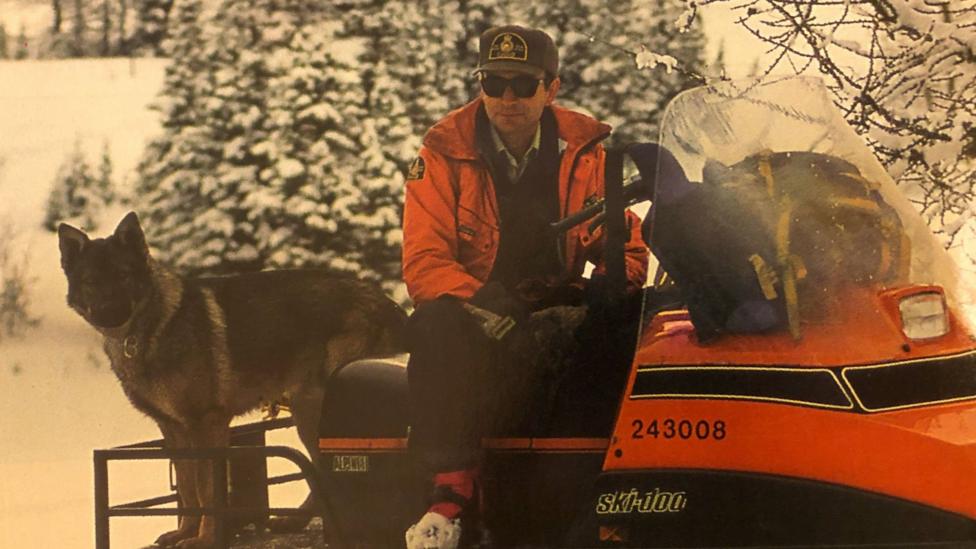 Image source, Supplied/Scott Ward
Scott Ward pictured with one of the rescue dogs he handled in Banff National Park
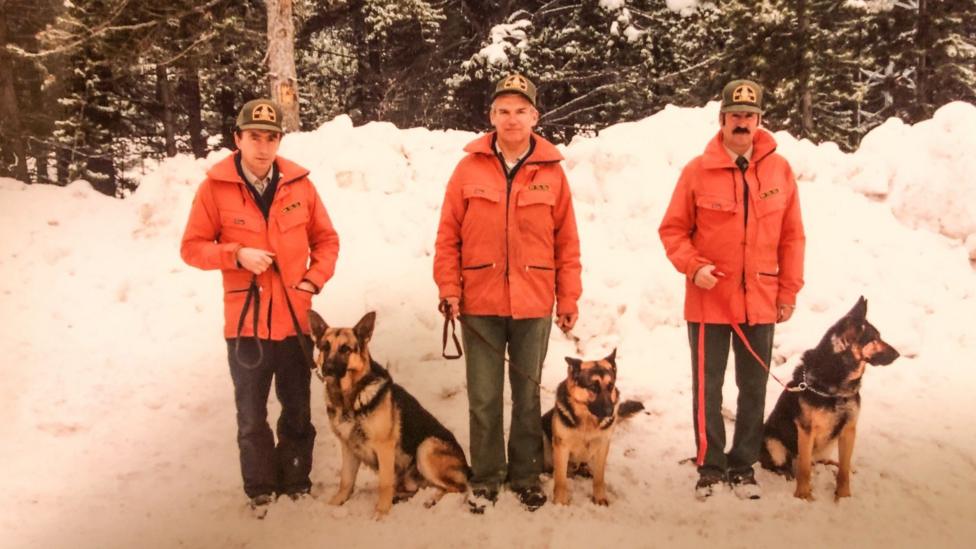 Image source, Supplied/Scott Ward
The canine search and rescue programme has been a part of Parks Canada for 55 years