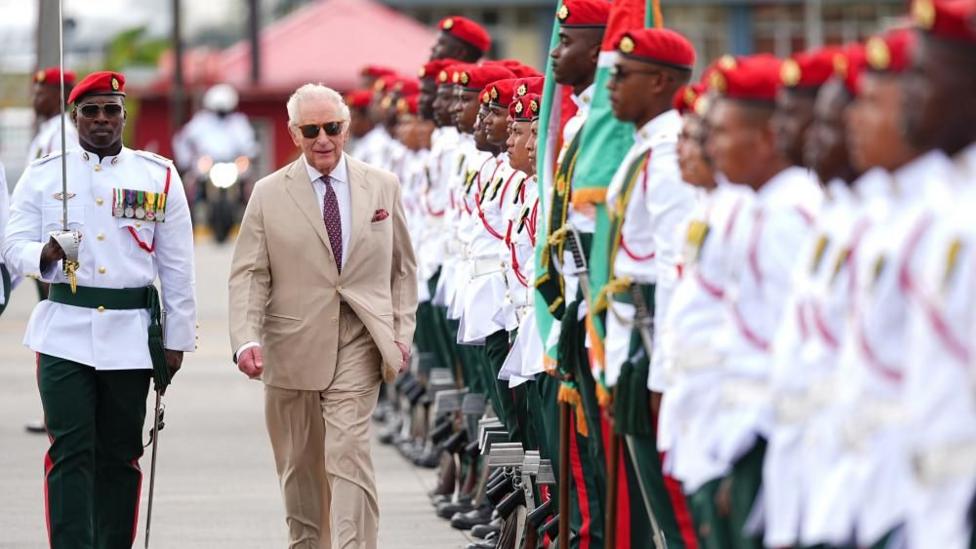
The key facts
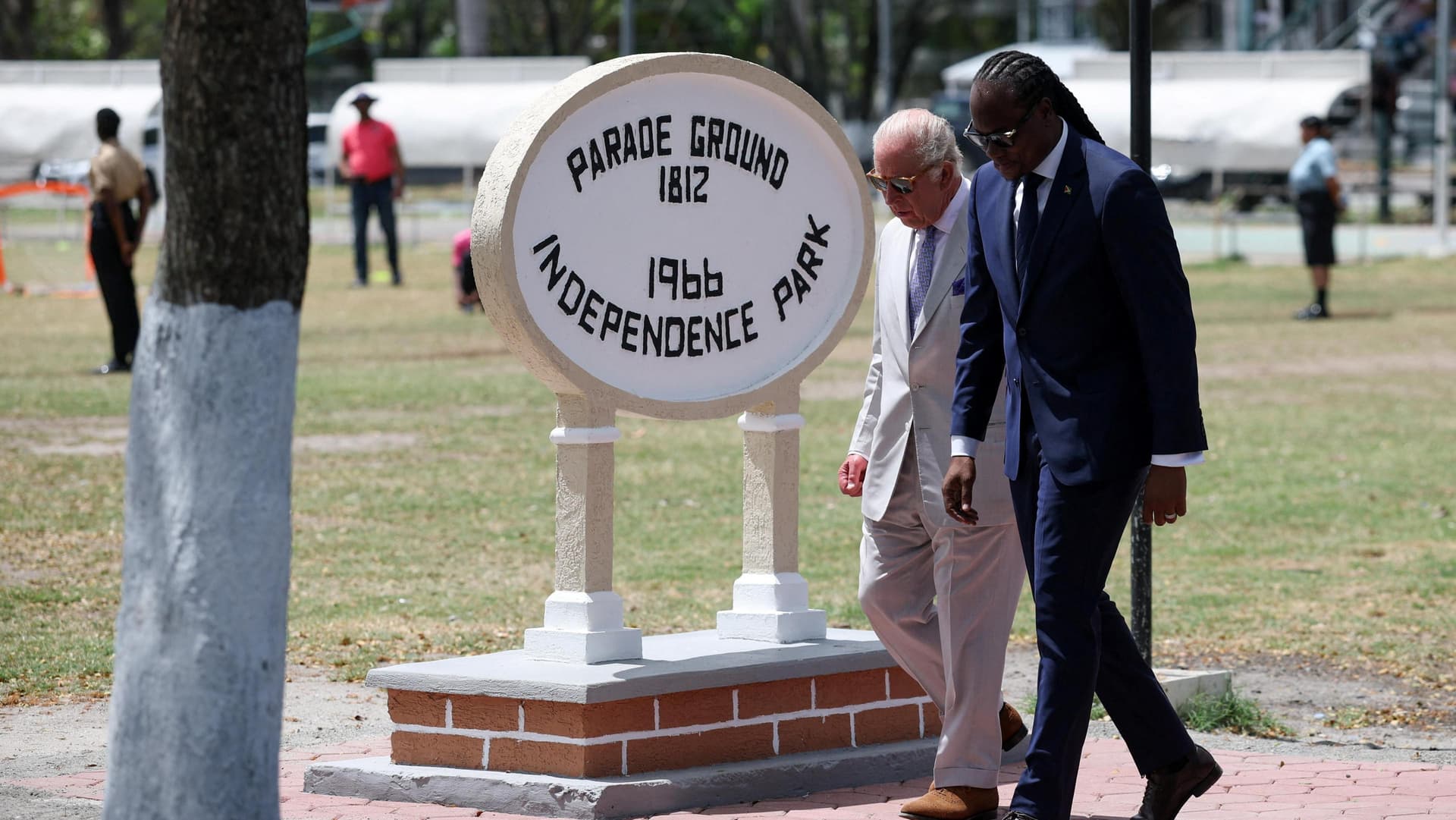
- King Charles III visited Independence Park in Georgetown, where participants of the 1823 Demerara slave rebellion were executed
- Buckingham Palace called the visit a reflection of the readiness “not to shy away from Britain's colonial legacy”
- There will be no apology or reparations — this matches the position of the UK government; protests did not disrupt the tour programme
A visit to the site of the executions
King Charles III of the United Kingdom, during his Caribbean tour, visited Independence Park in Georgetown — a site connected to the 1823 Demerara slave rebellion, when thousands of enslaved people rose up and the colonial authorities brutally suppressed the uprising. According to BBC News, the King was told that hundreds of enslaved people were killed and many of the survivors were executed not far from the spot where he stood. Above the King hung a plaque, which he read: “This land was used as a place of public executions, where enslaved people… were sentenced to death and hanged.”
The meaning of the visit and the monarch's position
Buckingham Palace described this moment in advance as evidence that the King “does not shy away from Britain's colonial legacy,” and called the visit an opportunity to reflect on the history of slavery and resistance in Guyana. This echoes Charles's speech at the Commonwealth summit in Rwanda in 2022, where he spoke of a “personal journey of understanding” and his intention to “deepen my own understanding of slavery's enduring impact.” At the same time, according to BBC News, the King will not apologise for Britain's involvement in the slave trade and will not offer reparations — in line with the position of the UK government.
Protests and other events of the tour
That same day, a small but noisy group of protesters gathered outside one of the King's engagements, holding placards reading “No apology can return what was stolen — reparations now” and “Justice must not depend on wealth, status and connections.” Guyanese politician Terrence Campbell said: “This enormous wealth was created on the backs of slaves,” adding that Britain “benefited enormously from slavery” and bears responsibility for reparations. BBC News notes that several demonstrations have already taken place during the tour, but none seriously disrupted the King's programme.
Music and veterans
The day's programme in Georgetown was not limited to the historical ceremony. At the Promenade Gardens bandstand, pipers from the National Piping Centre — seven musicians who had spent a week touring Guyana and studying local traditions — performed together with traditional Guyanese drummers. At the Commonwealth War Memorial, the King met with veterans of the Second World War who had fought for Britain: 99-year-old Donald Grant, who turns 100 on 3 November, and 100-year-old James Samuel, who joined the British Guiana Volunteer Force in 1943 at the age of 19. Earlier, according to BBC News, the visit to Guyana followed a trip to the Bahamas, which was declared a “diplomatic success”.
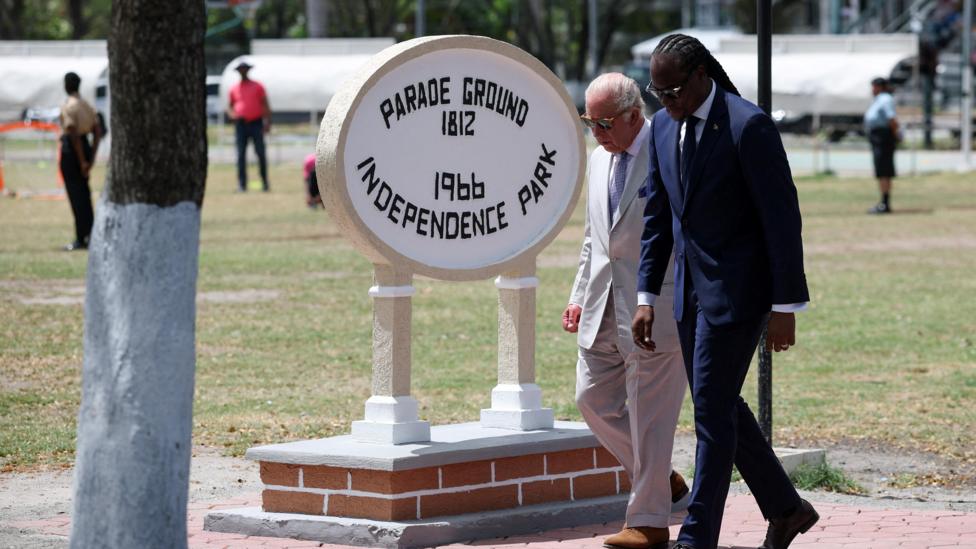 Image source, PA
The King and Guyanan minister Steven Jacobs at Independence Park
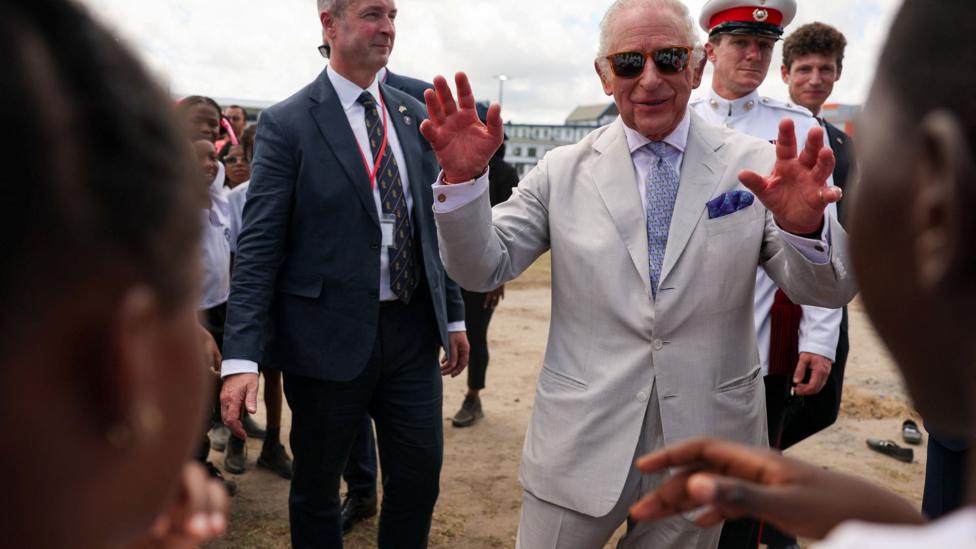 Image source, PA
The King greeted local young people in Independence Park
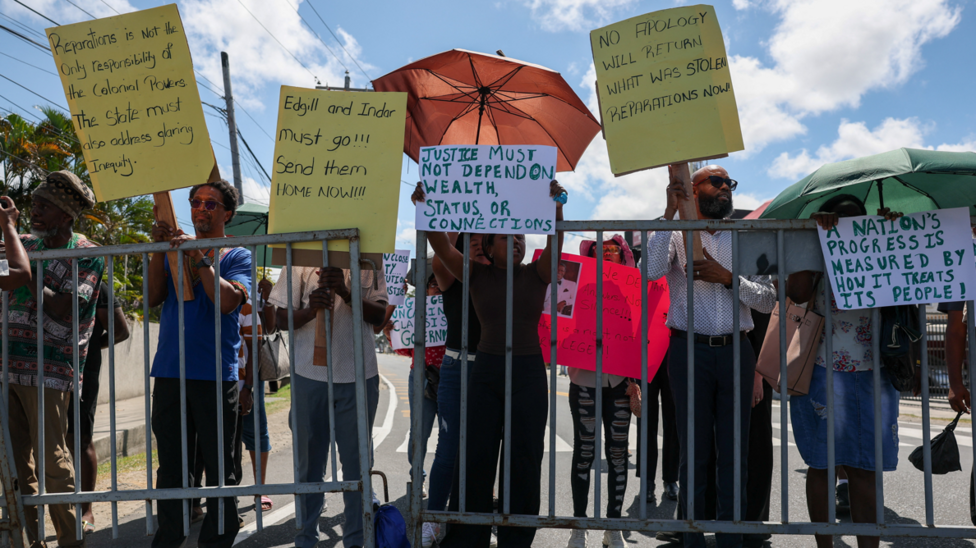 Image source, Reuters
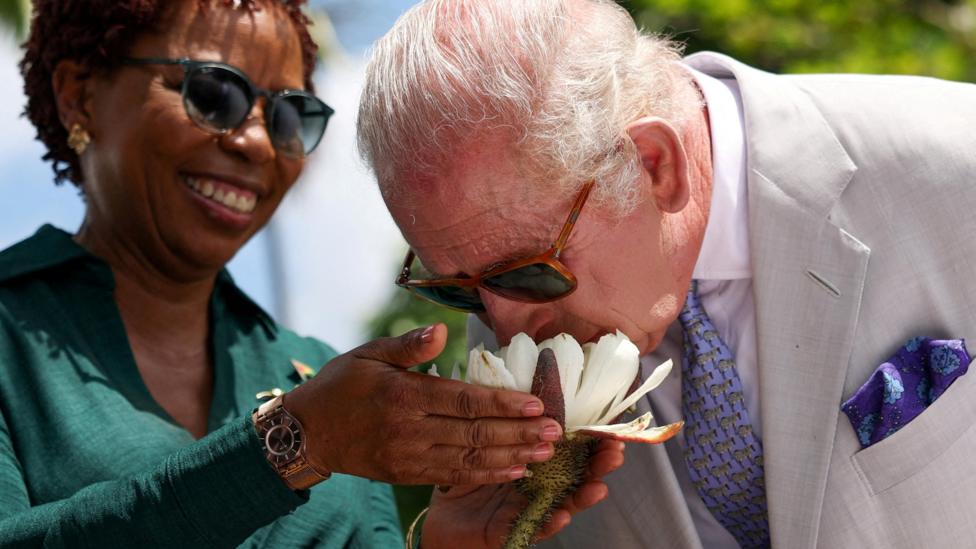 Image source, PA
Britain's King Charles smells a water lily as he visits Promenade Gardens, one of Georgetown's oldest public spaces