The key facts
- Resolution Foundation: the disposable income of a typical working-age household will fall by £1,050 (3%) by 2029
- OBR cuts GDP growth forecast from 1.2% in 2026 to 1% in 2027 and raises the 2027 inflation forecast from 2% to 3.4%
- The government will pay £100 to about 20 million households depending on their council tax band
Forecasts: falling incomes and a 'lost decade'
Economic think tanks warn that Britons face 'painful' and 'bleak' years: living standards growth will all but stall. According to Resolution Foundation, the disposable income of a typical working-age household, after taxes, benefits and housing costs, will fall by £1,050, or 3%, in the period to 2029. Over the entire parliament, income gains for non-pensioner households will amount to a 'meagre' £600, and these gains, the foundation estimates, are 'already behind us'. Helen Miller, director of the Institute for Fiscal Studies (IFS), called the outlook 'bleak' and said the current decade 'looks set to be the worst decade for household income growth on record', adding that 'no temporary support packages will fix this — a stronger economy is needed'.
What the official forecast says
Alongside the budget, the Office for Budget Responsibility (OBR) published a forecast that the body itself described as 'a fairly grim picture': GDP growth slows from 1.2% in 2026 to 1% in 2027 — noticeably below the March estimate — while the inflation forecast for 2027 has been raised from 2% to 3.4%. The OBR links the difficult fiscal situation to higher borrowing costs and inflation caused by the US–Iran war. Frozen tax thresholds are also cutting take-home pay. According to the OBR, by the end of the decade the living standards of all households, including pensioners, will rise by less than 0.1% a year. The body also stressed the uncertainty of the forecasts: inflation could turn out both significantly higher and lower than predicted.
Government measures and the opposition's response
In response to rising energy prices, Chancellor John Healey announced a £100 payment to around 20 million households depending on their council tax band, calling the budget a source of 'headroom' and noting that the government 'will never be able to fully remove' the pressure on the cost of living. Resolution Foundation, however, believes the payment will not offset rising bills: even with the support, households will pay more for energy than during the 2022 crisis, and the help should have been more precisely targeted at the poorest. Ruth Curtice called the budget 'scattergun' and insufficient for the country's challenges. Conservative shadow chancellor Andrew Griffith said the budget had made the public finances 'more fragile' by reducing the buffer between revenues and spending, while Liberal Democrat leader Ed Davey called the payment 'inadequate' in the face of 'stealth tax rises'. Miller of the IFS added that the spending plans look 'extremely tight', and she had the impression that Healey is counting on the economy improving to relieve the pressure on these decisions.
Context and data limitations
The figures from the foundation and the OBR differ methodologically: Resolution Foundation counts only working-age households, whereas the OBR covers all households and uses a 10-year rolling average to smooth short-term fluctuations — so the figures cannot be compared directly. The body itself emphasises the high uncertainty of the forecast, above all regarding the inflation trajectory. The article is based on a BBC News publication; some of the documents it references (on plans to cut welfare spending and the budget breakdown) are available only as summaries, not full texts.
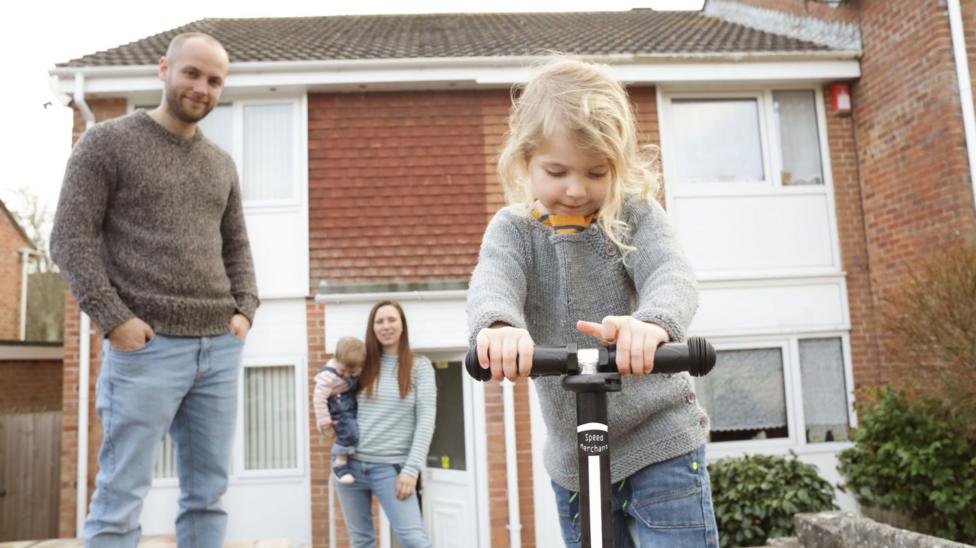 Image source, Getty Images