The key facts
- The OBR forecasts welfare spending rising from £353bn this year to £431bn by 2032 — a £79bn increase in cash terms
- The OBR forecasts welfare spending rising from £353 billion this year to £431 billion by 2032 — an increase of £79 billion in cash terms
- Spending on working-age disability benefits rose from £14bn in 2020 to £25bn in 2026 after inflation adjustment
- The number of young NEETs has grown by roughly 230,000 since 2019 — to almost a million
- The number of young people NEET has grown by roughly 230,000 since 2019 — to almost a million
Budget forecasts: a £79bn rise
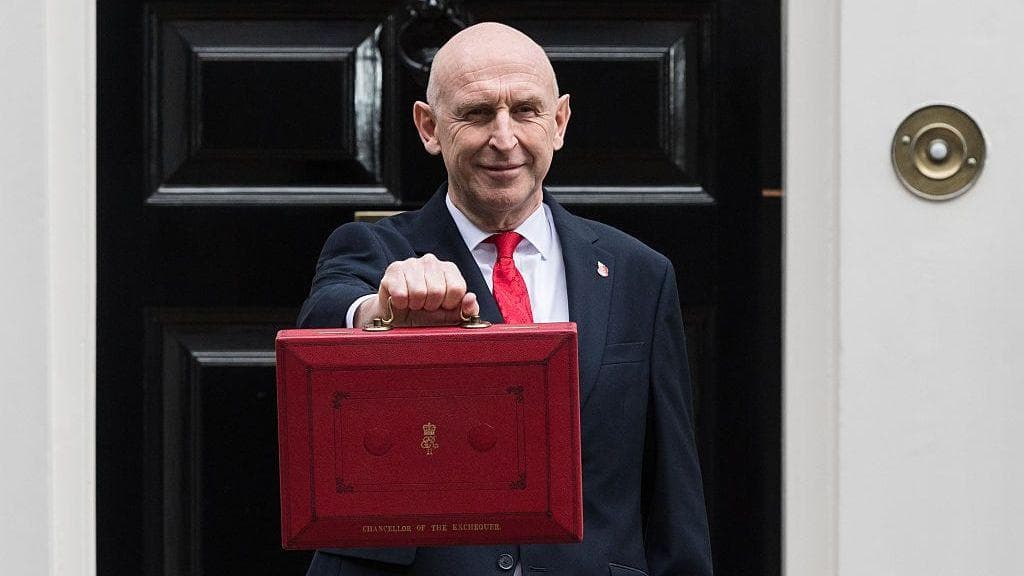
The UK's official forecaster — the Office for Budget Responsibility (OBR) — in forecasts published alongside the budget estimates the cost of the welfare system will rise from £353bn in the current year to £431bn by 2032. This sum includes spending on pensioners, which accounts for almost half of the total; most of that is the state pension. Chancellor John Healey and Prime Minister Andy Burnham have spoken of a desire to cut benefits spending, but the government has not presented a timetable for reductions, and opponents criticised the budget for the lack of welfare reform detail.
Is the system growing 'out of control'?
In relative terms the picture is less dramatic: according to OBR forecasts, welfare spending will rise from 11.1% of GDP today to 11.3% in 2032 and will remain below the peak of around 12% of GDP in 2013 after the global financial crisis. This has given some economists and researchers grounds to doubt the claim that welfare spending has spiralled out of control. At the same time, individual budget lines are rising quickly: adjusted for inflation, spending on working-age disability benefits, primarily Personal Independence Payments (PIP), has increased from £14bn in 2020 to £25bn in 2026 following the Covid-19 pandemic. Inflation-adjusted total spending remains below the 2013 level because other working-age benefits — Universal Credit, housing benefits — were cut by Conservative governments under austerity from 2010. Some researchers believe these cuts may have pushed people to switch to sickness and disability benefits in order to maintain their standard of living — that is, spending was redistributed within the system rather than cut altogether.
The problem of young NEETs
A separate issue is the rise in the number of 16–24-year-olds who are neither working nor studying (NEET): since 2019 their number has grown by roughly 230,000 — to almost a million. Former Labour health secretary Alan Milburn is leading an official review of this group. His interim report in May put annual PIP spending on 16–24-year-olds at £1.3bn in 2020 versus around £3.2bn in 2025 and forecast growth to £6.5bn for 700,000 young people in five years. PIP recipients can work, but according to official statistics only about one in five does.
What has already been proposed and what lies ahead
In March 2025 the government of then prime minister Keir Starmer presented a plan to save £5bn a year by 2030 on health-related benefits by tightening access to PIP and reducing health-related Universal Credit payments. But official forecasts at the time showed that spending in cash terms would still keep rising — just more slowly than the previous trajectory; the OBR meanwhile forecast a 'slightly downward trajectory' for welfare's share of the economy in the medium term. In other words, this may mean a relative reduction in expected spending rather than an absolute cut. In the coming weeks, Milburn's final report and a separate report by disabilities minister Stephen Timms on options for PIP reform are expected. There are suggestions that they may recommend a separate welfare system for people under 25 with lower payments than for older people, and that Timms may propose a new PIP eligibility test, although he was not specifically tasked with finding savings. A number of analysts argue that for sustainable savings such reforms will also require significant additional spending — in particular, on employment programmes: Milburn's interim report noted that for every £1 of youth employment support there are about £25 in benefit payments. This means that in the near term savings may be offset by spending in other departments, although in the long term — if the programmes are effective — they may still deliver results.
 Image source, Bloomberg via Getty Images