The key facts
- The government announced £65 billion in additional borrowing over five years; markets, according to the BBC, reacted calmly
- The 'growth theory' promised by the Prime Minister was not presented — it is expected in the 10-year plan next month
- OBR forecast: social spending will rise to £431 billion by 2031, including support for pensioners
A small budget aimed at keeping markets calm
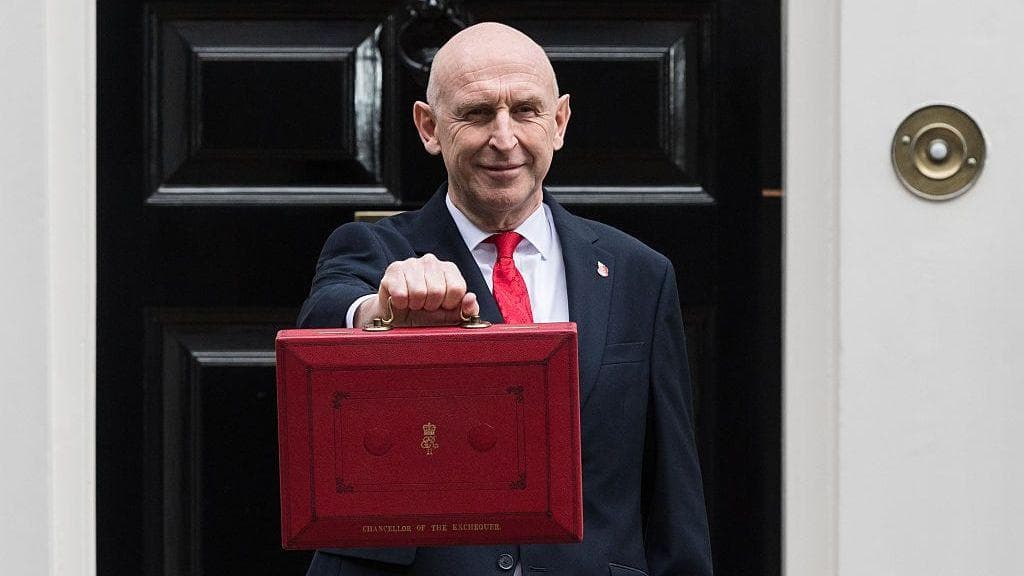
The British Chancellor has presented a budget package that BBC economics editor Faisal Islam described not as a 'mini-budget' but as a 'micro-budget' — a fiscal event small in scale. In his assessment, the strategic aim of Chancellor Healey's statement was to be an 'anti-mini-budget': a predictable event that avoids a repeat of 2022, when Liz Truss's unfunded tax cuts shook the bond markets and the currency.
Markets did not flinch, but problems have been postponed
The core substance of the budget is managing the consequences of the Middle East conflict for energy prices and borrowing costs. According to the BBC, markets barely reacted to the announcement of £65 billion in additional borrowing over the next five years: the cost of servicing the national debt even fell from Wednesday amid the turmoil linked to the US–Iran war. If these pressures prove persistent, Islam notes, the government will face unpopular decisions over the coming year: 'the bank will have to raise, not kick the can down the road again.' The budget buys the government 'room for manoeuvre' until the Prime Minister's 10-year plan is presented next month.
What has already been outlined: social spending, energy, devolution
Despite its modest scale, the Chancellor set out several directions. The Office for Budget Responsibility (OBR) forecasts that the social spending bill will rise to £431 billion by 2031, including support for pensioners; the Milburn review process, in the BBC's assessment, is heading towards a 'from welfare to work' scheme, possibly with a separate system for young workers. On energy, the stated mission of 'cheap electricity' shifts the emphasis away from the previous goal of 'clean energy' — while retaining Net Zero commitments, technical changes to levies and renewable energy auctions are proposed. On devolution, Islam calls the plan to let regional mayors keep a share of additional business tax and income tax revenues more radical than expected: such incentives for regional leaders are normal in other countries, but did not exist in the UK's highly centralised tax system.
What was left out
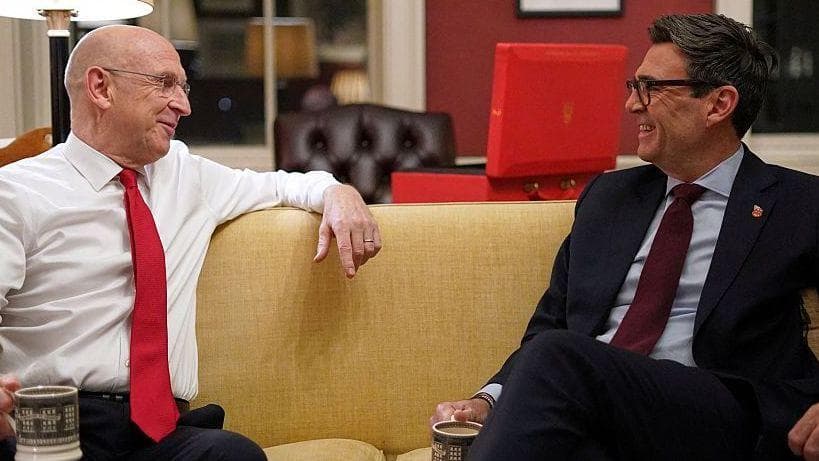
The 'growth theory' promised by Prime Minister Andy Burnham was not presented in this budget. The open question is how the Prime Minister will reconcile its elements with the Chancellor's spending constraints — for example, whether he can present a 10-year plan without mentioning a high-speed Liverpool–Manchester line or the restoration of the cancelled HS2 sections, which he backed a year earlier. The OBR forecast points to a difficult economic backdrop until spring and a tough spending review, taking into account the new defence target of 3% of national income by 2030. The BBC considers the Prime Minister's insistence that an election will not be called within a year quite plausible, given the risk of 5% inflation and falling household incomes. The gaps in the budget, the outlet concludes, are to be filled in the forthcoming 10-year plan.
 Image source, Getty Images