The key facts
- John Healey promised a 'reduction in benefits spending' before the next election, ruling out 'crude cuts'
- The OBR forecasts welfare spending rising from £353 billion this year to £431 billion in 2031/32
- Reviews of disability benefits and NEET youth will be published in November, with the government's response due by the end of the year
A promise after budget criticism
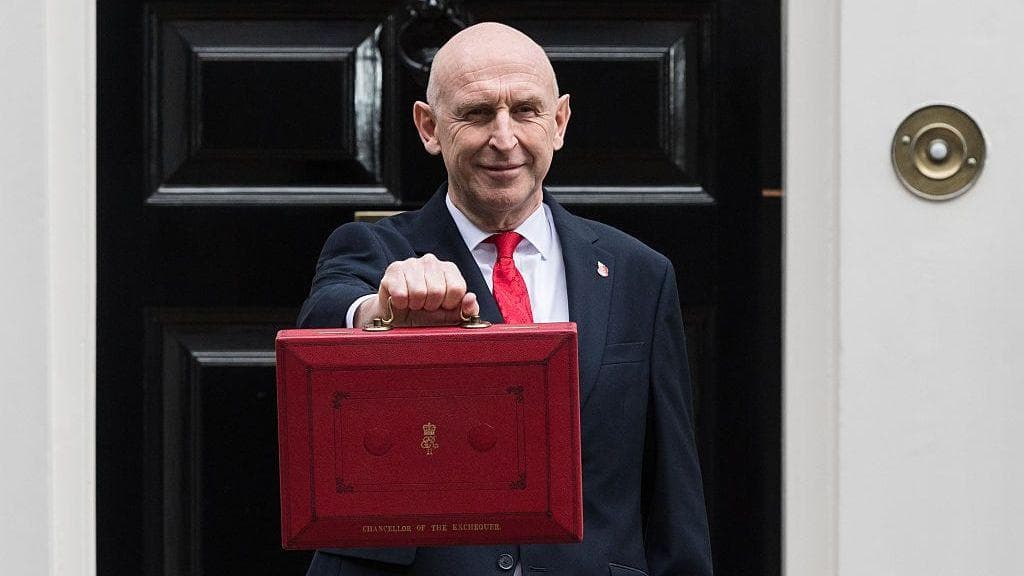
UK Chancellor John Healey has promised that there will be a 'reduction in benefits spending' before the next general election. The statement came after opponents criticised his first budget for lacking detail on welfare reform. Healey called the current system 'unsustainable' and said that 'it is simply not good for Britain, and not progressive, to have an ever-growing benefits bill', while ruling out 'crude cuts'. Further details are expected after the publication of two major reviews next month, reports BBC News.
The scale of the problem according to OBR forecasts
Welfare spending in the current year is forecast to rise by £19 billion — to £353 billion. The Office for Budget Responsibility (OBR) expects further growth to £431 billion in the 2031/32 financial year, driven primarily by health-related benefits and payments to pensioners. The government has already promised to reform the current 'triple lock' on the state pension from 2030, and additional proposals on the benefits system are expected in the coming months.
What follows the reviews
Healey told MPs that the review of disability benefits, jointly led by Minister Stephen Timms, and the review of young people not in education, employment or training (NEET), led by former minister Alan Milburn, will be published in November. The government is then expected to respond and publish a green paper with proposals by the end of the year, followed by legislation next year. The Chancellor called helping almost a million young people out of work and education a 'moral duty', adding that this would help 'reduce the benefits bill in the long term'.
Reaction from the opposition and experts
Conservative leader Kemi Badenoch said the benefits bill is 'rising by tens of billions of pounds because this government has put welfare first', describing the country as 'overspent, overemployed, overtaxed and drowning in an out-of-control welfare system'. Reform UK said the budget failed to address the problem of the 'ballooning' benefits bill. Liberal Democrat leader Ed Davey stressed that reform 'must be done properly' — through employment and support. Institute for Fiscal Studies director Helen Miller noted that the government still has to make 'many difficult decisions', including on disability benefits and support for young people. Former Conservative chancellor Jeremy Hunt said Healey 'has squandered political capital by delaying difficult decisions', and that 'in a year's time those decisions will be even harder'.
The budget's energy measures
One area where the budget contained concrete announcements was energy prices. Millions of households will receive a one-off £100 payment to help with rising bills, funded by a tax on bank profits. The payment is intended for residents of England in council tax bands A–D; Wales has promised to replicate the measure, and the Scottish Government plans to 'mirror' it. Fixed gas standing charges in England, Scotland and Wales will be abolished in 2027 'or as soon as possible thereafter', with these charges shifted into the unit price of energy, meaning higher bills for large gas consumers. When asked whether £100 might not be enough, given that forecasts suggest far larger annual bill increases from January, Healey replied that the payments cannot 'eliminate all the price pressures caused by the war in the Middle East'.