The key facts
- Neither of the rival blocs won a majority in the Knesset in the election
- Turnout was record-high; Arab parties won about 15% of the vote
- Netanyahu's Likud lost significant seats but remains the largest party
A no-lose result at record turnout
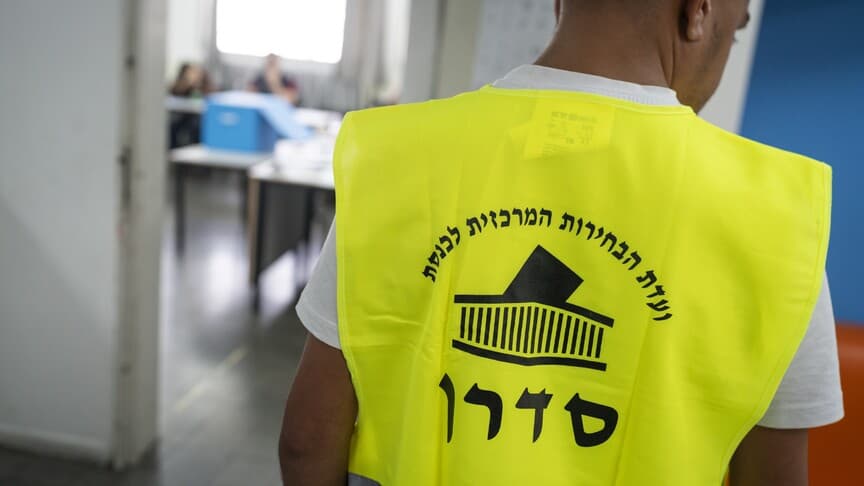
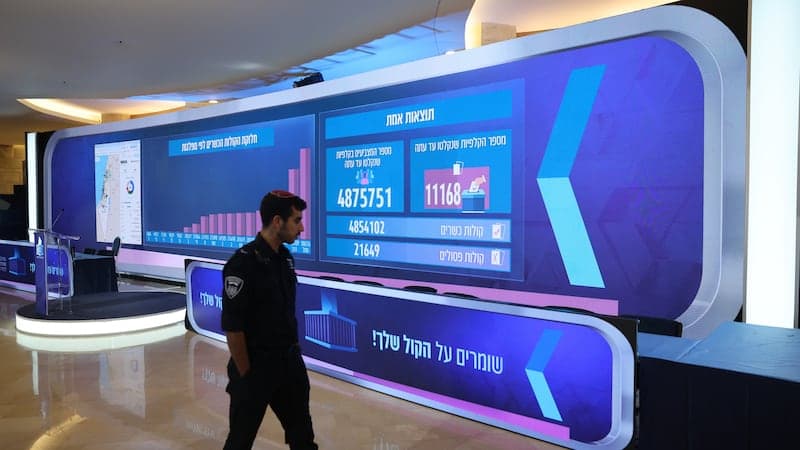
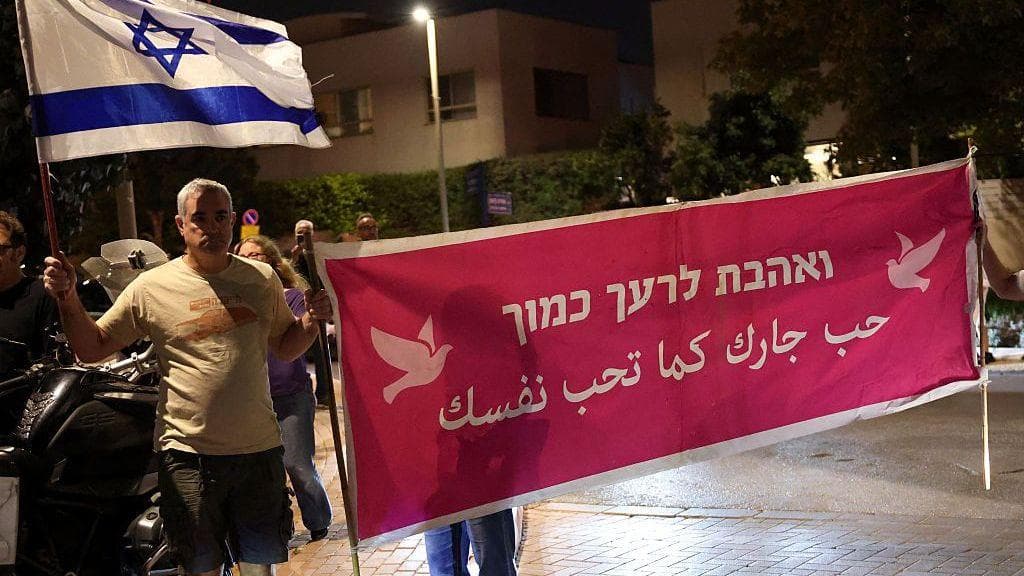
Israel's parliamentary elections ended in an inconclusive result: neither of the two rival blocs won a majority in the Knesset, leaving the country without a clear path to forming a new government. This is reported by BBC diplomatic correspondent James Landale, noting that, in his words, the election was in a way a celebration of democracy: turnout was record-high among both Jewish and Arab voters, and many citizens flew in from abroad, spending thousands of dollars to cast their ballots. President Isaac Herzog called the election a 'badge of honour' for Israeli society and stressed the depth of the country's commitment to democracy.
The divides the campaign laid bare
Commentators, according to the BBC, warned that the election had exposed fundamental and possibly growing rifts in Israeli society. Some of them are not new: the country had previously been divided by the judicial reform that triggered mass demonstrations, and by disputes over the response to the attacks of 7 October 2023 — rescuing the hostages or destroying Hamas. The losses of Israeli reservists in Gaza sharpened the conflict over the exemption of ultra-Orthodox youth from military service. Ultra-Orthodox Jews make up almost 15% of the population, and their worldview, the BBC writes, sharply diverges from the views of residents of Tel Aviv's high-tech districts.
Parties and leaders: who can join forces with whom
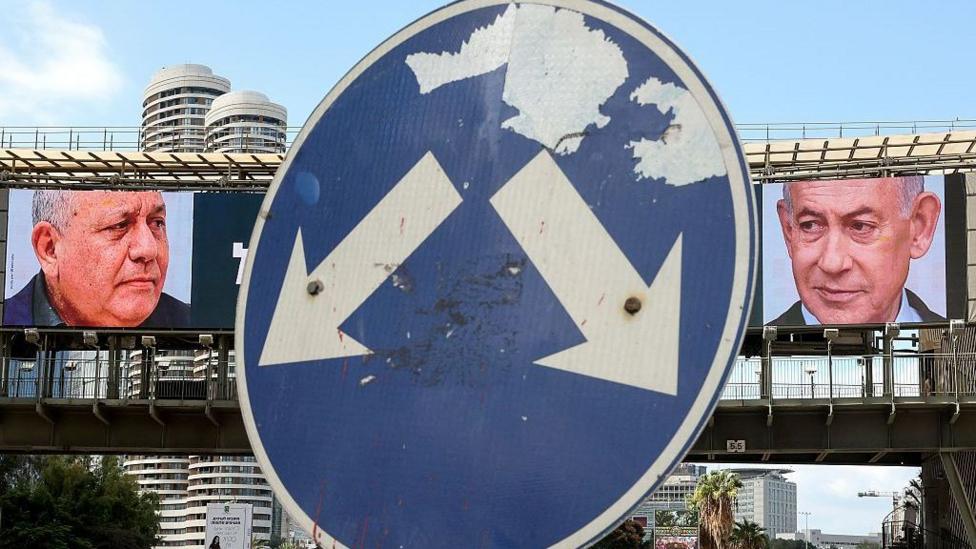
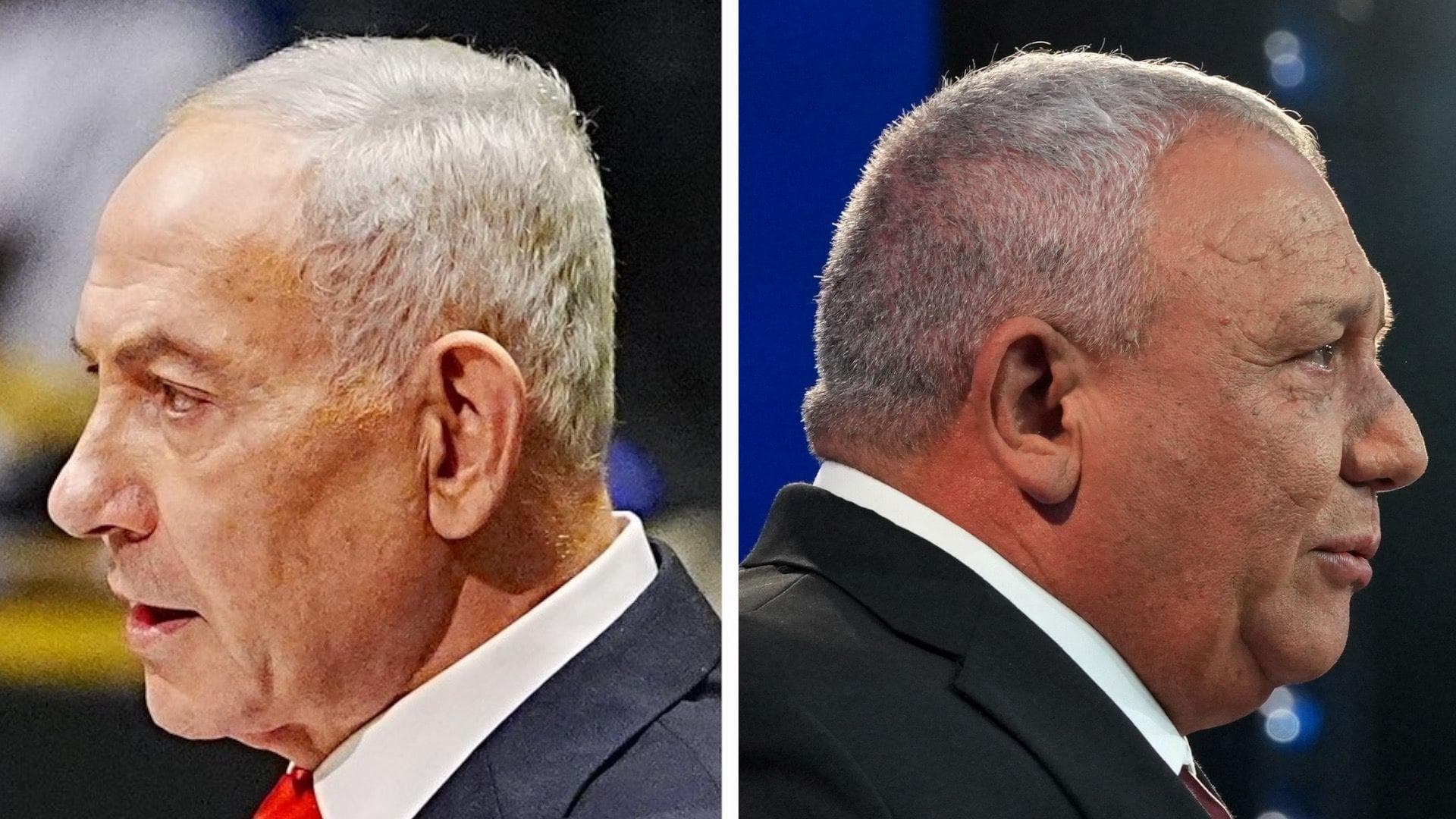
Benjamin Netanyahu's Likud suffered significant losses but, according to the BBC, remains on course to become the largest party in the Knesset. About 10% of voters backed the far right, including Finance Minister Bezalel Smotrich, who, even as the results were being announced, promised to build Jewish settlements in Gaza. Arab parties, representing roughly a fifth of Israel's citizens, achieved a major success, winning about 15% of the vote. The opposition bloc led by Gadi Eisenkot, uniting the centre, left and right, failed to deliver the change some voters had expected of it.
What comes next: negotiations and the risk of new elections
Israeli politics now faces the difficult task of reconciling these divergent positions into some form of government. The BBC lists the open questions: is Netanyahu willing to give up his religious allies for a coalition with right-wingers from the opposition bloc; is the opposition willing to retreat from its campaign promises and work with the Arab parties to unseat Netanyahu; are the Arab parties willing to risk joining a government that could fall within a few months. Yair Golan, leader of the left-wing Democrats, called on the opposition to partner with the Arab parties, saying that 'Netanyahu's racist division between Jewish and Arab votes can no longer be accepted'. Israel could spend months forming a government, and, if that fails, hold new elections. Herzog, opening coalition talks, acknowledged this risk: 'We must do everything possible, especially after yesterday, to avoid another round of elections'.
 Image source, Anadolu via Getty Images and AFP via Getty Images
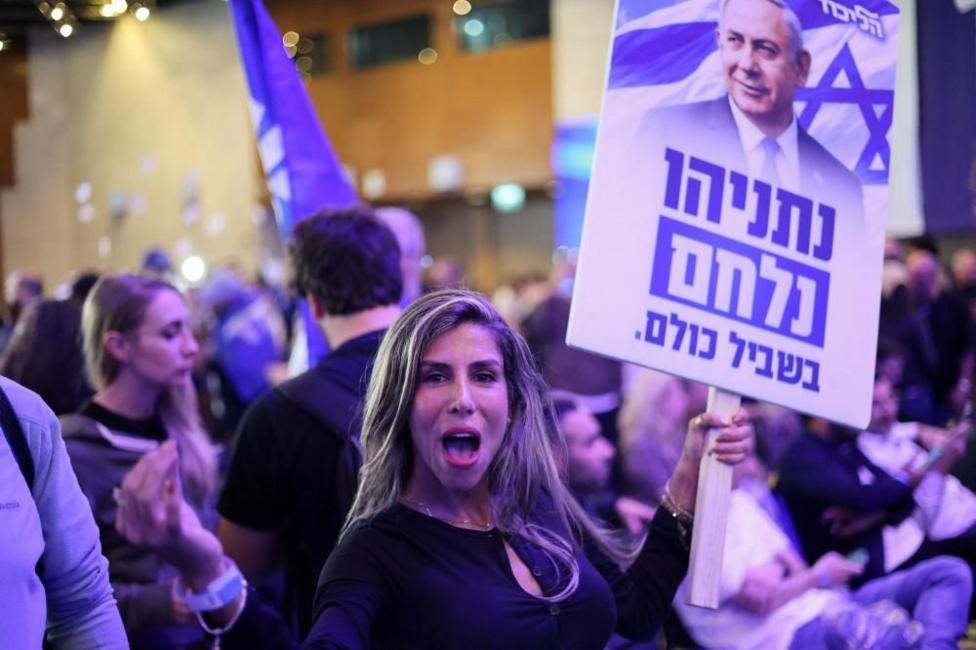 Image source, Reuters
Benjamin Netanyahu has called for 'a strong right-wing national government'
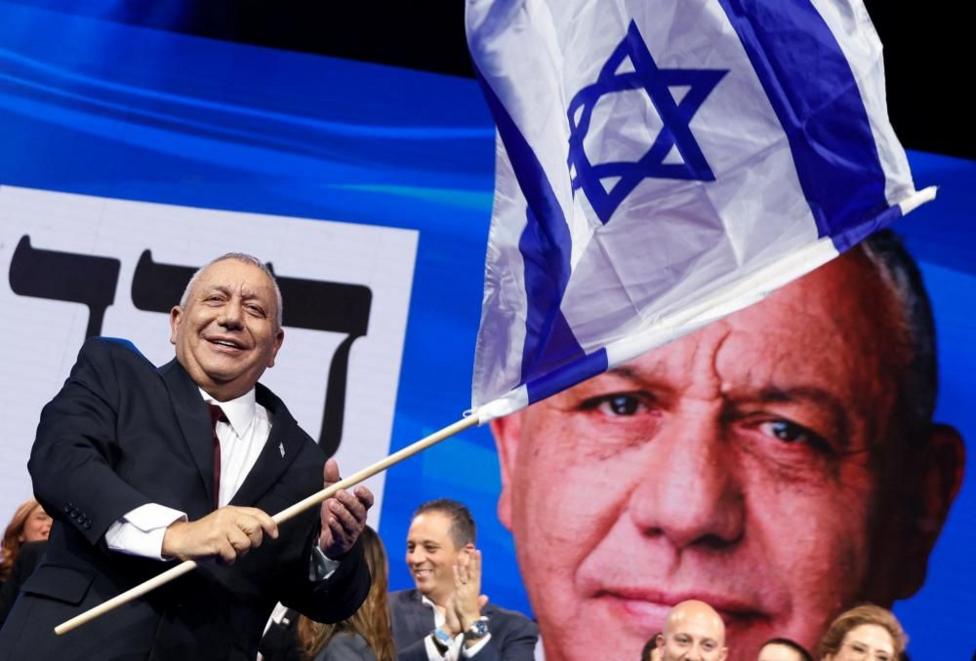 Image source, Reuters
Gadi Eisenkot declared that the public had 'spoken in favour of change'