The key facts
- All mentions of 'associated membership' have been removed from the joint EU–Canada summit declaration; instead — an 'increasingly close association'
- Several countries led by Germany opposed the term; von der Leyen had not consulted them before announcing the idea
- The partnership itself continues to deepen: raw materials, defence, access to markets in AI and cloud services
The term disappeared from the declaration on the eve of the summit
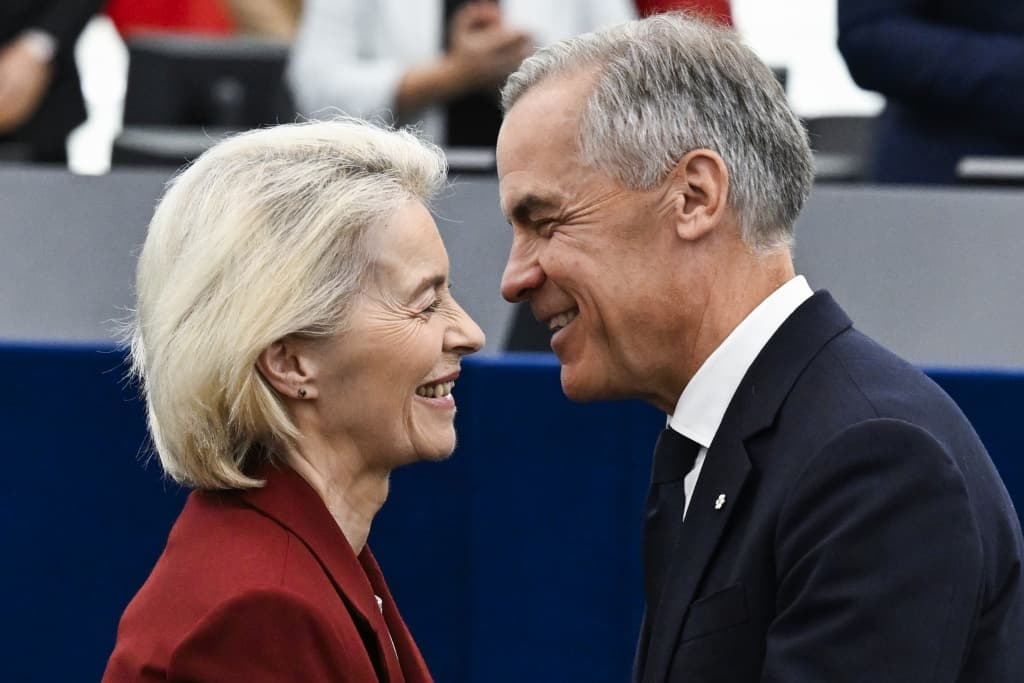
On Wednesday, just days before the EU–Canada summit, all mentions of 'associated membership' vanished from the joint statement — after objections from several member states led by Germany. Instead, the agreed text speaks of developing an 'increasingly close association' between the EU and Canada, without going as far as full membership. Euronews reports on the situation.
A setback for von der Leyen
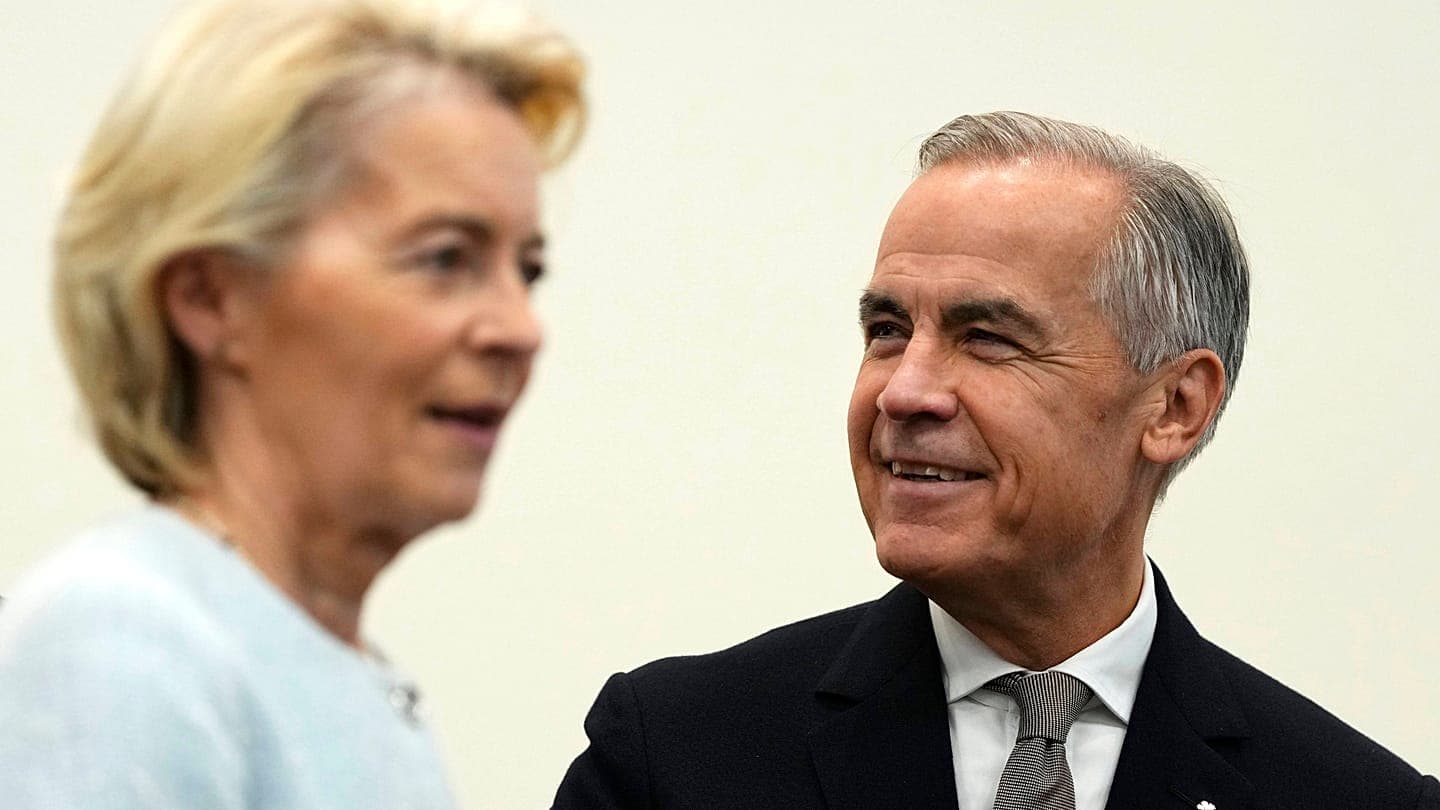
Von der Leyen unveiled the idea of making Canada the EU's first associated member with fanfare in September, without first consulting the governments of the bloc's countries — and it was precisely they who failed to back the format. Arriving in Montreal for the summit, she did not publicly abandon the plan: 'We have a new ambition: to bring Canada closer to us than ever before, as an associated member of the EU,' she wrote on X. European Commission spokesperson Paula Pinho called the agreed basis 'solid', while acknowledging that 'it would have been much better to have unity among the member states on the original wording.'
Germany and the Ukrainian trail
Berlin, which led the campaign against the term, argued that the substance of the new partnership should be defined before attaching a label with potential legal consequences, not the other way around. There is irony here: associated membership was proposed in May of last year by German Chancellor Friedrich Merz — as a way to give Ukraine security guarantees on its path to full EU membership. President Volodymyr Zelensky rejected the proposal, and among EU countries it was never properly discussed. Berlin denies that this episode was the real reason for the stiff resistance to the Canadian variant. 'Associated membership offered a package; it put a label on the partnership,' an anonymous EU diplomat explained to Euronews.
Carney preferred the 'Future Alliance'
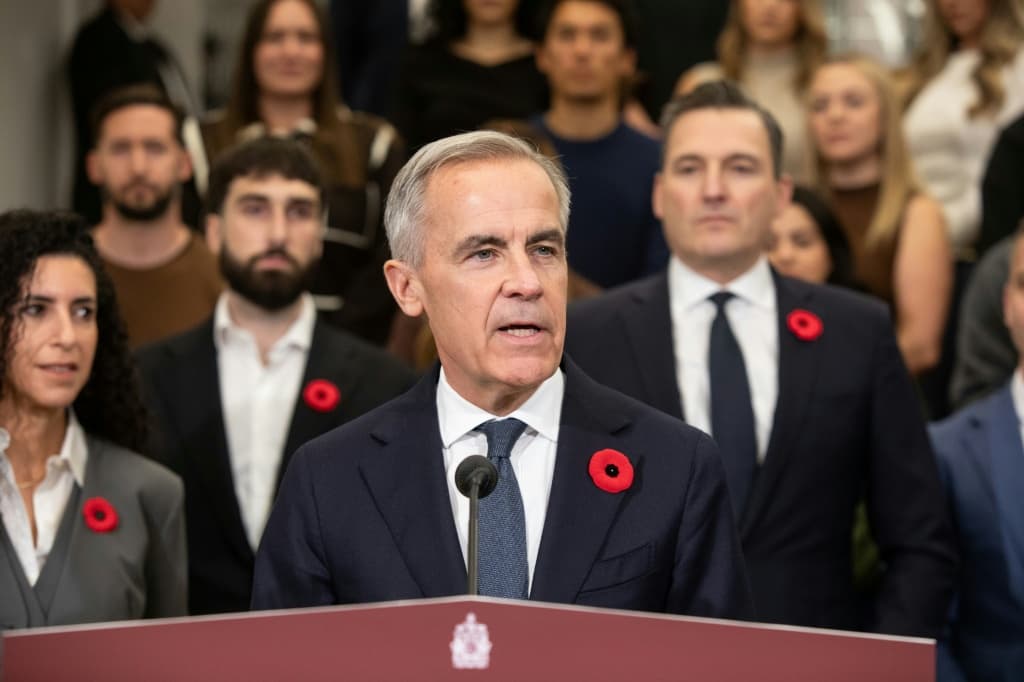
Notably, Canadian Prime Minister Mark Carney never fully embraced von der Leyen's idea, preferring the concept of a 'Future Alliance'. 'The President used both terms. The exact nomenclature is a question for Europe,' he said at a press conference after her speech. Behind the divergence in terms lie different visions: for Carney, the Future Alliance is an open construct, a group of middle powers, which he promoted in January in his keynote speech in Davos as a framework for defending global stability and a rules-based order. The EU, according to Brussels officials, does not consider itself a middle power: associated membership was conceived so that the bloc would lead a new coalition of democracies rather than be one of equal partners.
What this means beyond the bilateral relationship
The outcome of the agreement matters not only for Ottawa and Brussels: Australia, South Korea and Japan are closely watching a potential template for how the European Commission builds relations with third countries. At the same time, as Euronews notes, the dispute over the name does not negate the actual rapprochement: in recent months the sides have advanced on joint extraction of critical raw materials, shared stockpiles, mutual access to markets in strategic sectors such as AI and cloud technologies, as well as on the systemic integration of Canada into EU defence programmes. Bernd Lange, chair of the European Parliament's international trade committee, urged not to fixate on terminology: 'Call it what you like, but what matters is concrete actions, not words. There is momentum,' he wrote on X.