The key facts
- Christine Lagarde will step down as ECB President in February 2027
- She was the first woman to lead the ECB and previously headed the IMF
- Her main mistake is said to be the delayed rate hikes amid inflation above 10% in 2022
Departure in February 2027
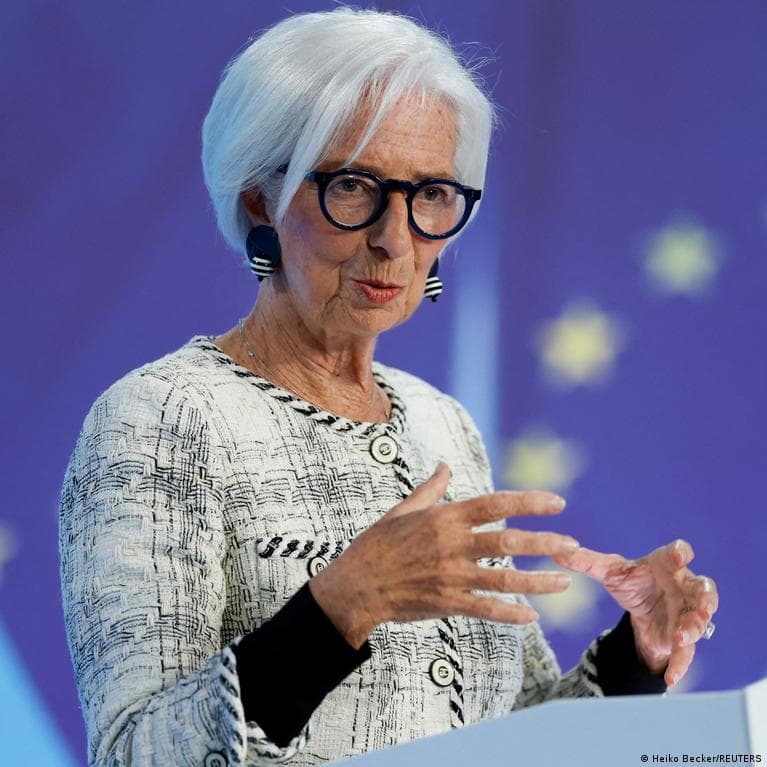
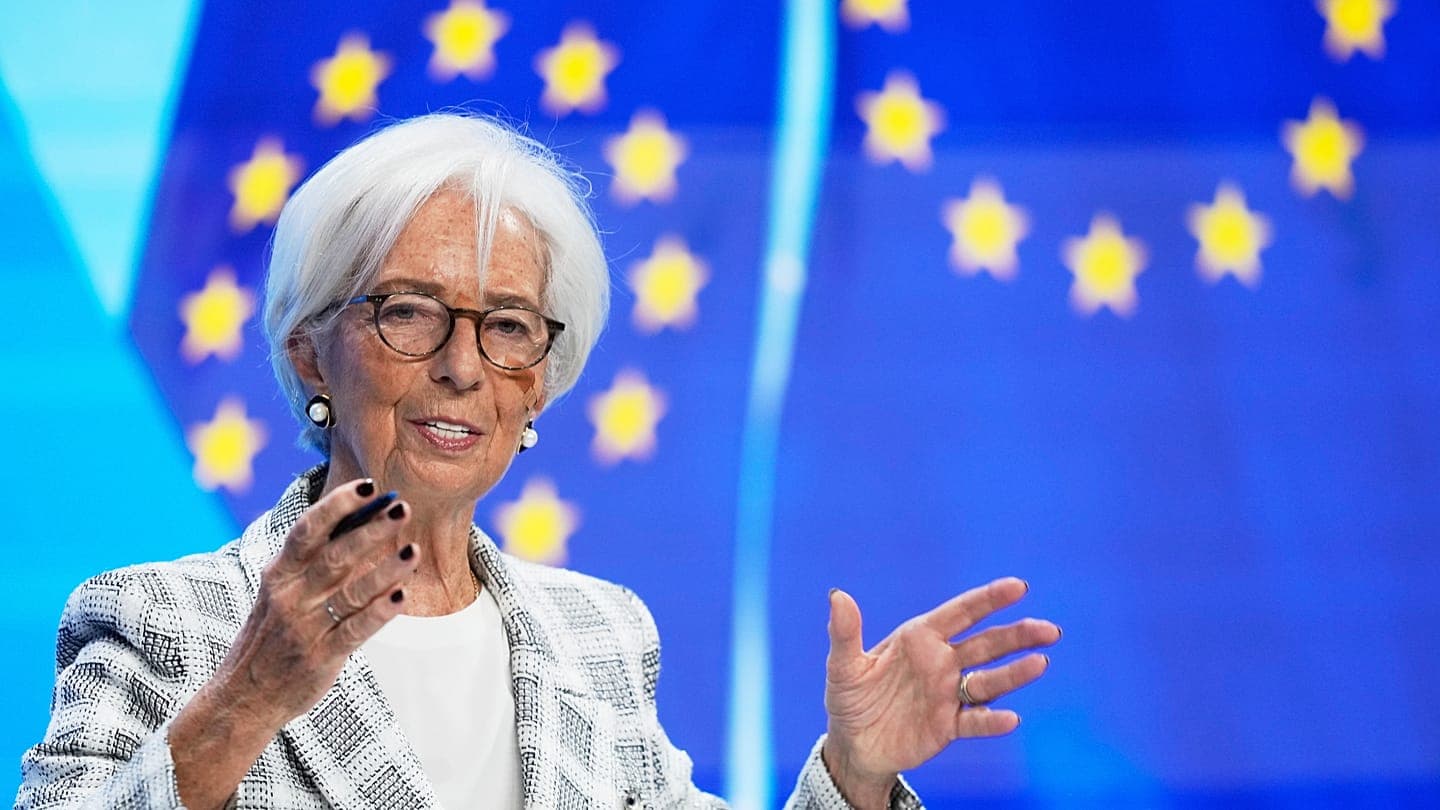
Christine Lagarde will step down as President of the European Central Bank in February 2027, the AFP news agency reported. She took over the ECB in 2019, becoming the first woman to hold the post — before that, she had also been the first woman to head the International Monetary Fund. Her task was to succeed Mario Draghi, who is credited with steering the eurozone out of the debt crisis that began in 2009, thanks to his promise to do 'whatever it takes' to preserve the single currency.
A unifying style and criticism
According to most observers quoted by AFP, Lagarde's consensus-based style united the Governing Council, which sets rates for the 21 eurozone countries — with fewer disputes than under Draghi. One council member told the agency anonymously that she 'made everyone feel part of one team' and that 'seven years on, that spirit endures.' Lagarde herself described herself as an 'owl,' seeking a middle path between the ECB's 'hawks' and 'doves.'
Mistakes and sharp tightening
The start was difficult: a few months after her appointment, Lagarde was criticized for saying that the ECB 'is not here to close spreads' between the government bond yields of eurozone countries, just as Italian bond yields rose sharply. After an outcry in Italy, the bank quickly changed course and launched a large-scale emergency bond purchase program. AFP calls the delayed response to the surge in inflation following the easing of Covid restrictions and the energy shock of the war in Ukraine the biggest mistake of her term: prices rose above a record 10% in 2022. 'The ECB raised rates slowly — probably by about six months,' Andrew Kenningham of Capital Economics told the agency, noting that other central banks also acted too slowly. The tabloid Bild dubbed her 'Madame Inflation.' But when the bank did start moving, it did so rapidly: from mid-2022, the key rate rose from negative territory to a record 4% by the end of 2023.
Legacy: new tools
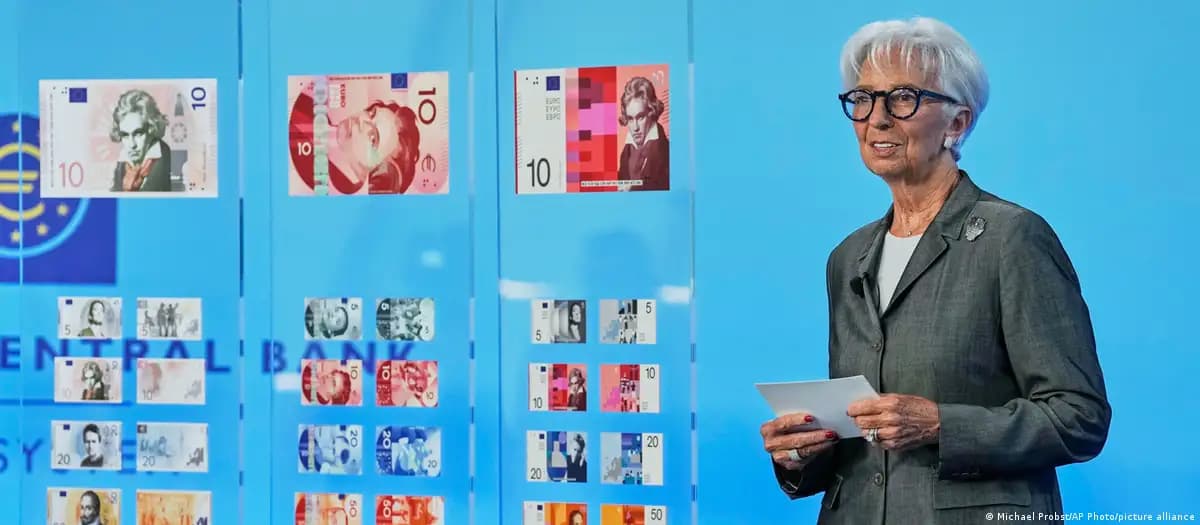
Analysts note that under Lagarde the ECB introduced a series of innovations for a more uncertain world. In 2021 she led the bank's first strategy review in two decades, and in 2022 the crisis-fighting Transmission Protection Instrument (TPI) was created, allowing the ECB to buy the bonds of a eurozone country in the event of uncontrolled yield increases and the risk of financial stress spreading. The tool has never been used, although recently, according to AFP, there were suggestions that the ECB might intervene over rising French borrowing costs amid debt concerns. 'The ECB has equipped itself with increasingly flexible tools,' said Frédéric Ducrozet of Pictet Wealth Management.
Internal problems and biography
Beyond policy, Lagarde's term was marked by discontent among some of the roughly 5,000 ECB staff in Frankfurt: a study commissioned by staff representatives in 2024 recorded a rise in burnout cases, and unions pointed to concerns about favoritism. The ECB responded that it takes employee health and well-being seriously. Lagarde, a lawyer by training and the daughter of teachers, grew up mostly in Le Havre; in her autobiography, due out in early 2027, she calls herself a 'naughty girl,' and in an interview with Elle this year she said: 'I have broken several glass ceilings. I hope that because of this, other women will realize they can too.'