The key facts
- Arab parties could win about 18 Knesset seats instead of 10 in the previous election
- Neither Netanyahu's bloc nor Eisenkot's opposition has a majority in the 120-seat parliament
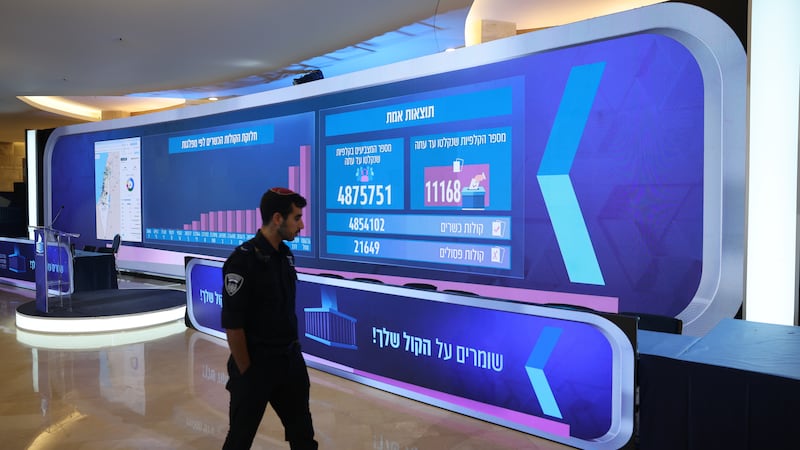
- Turnout was 77.7% — the highest since 1999
Arab parties gain strength after the election
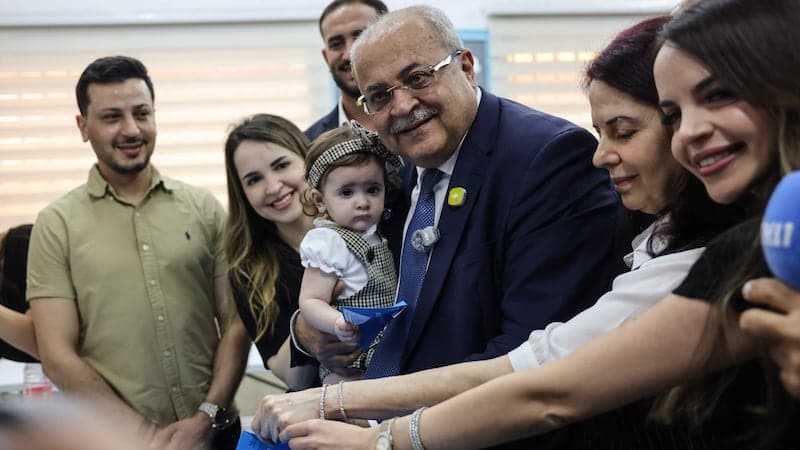
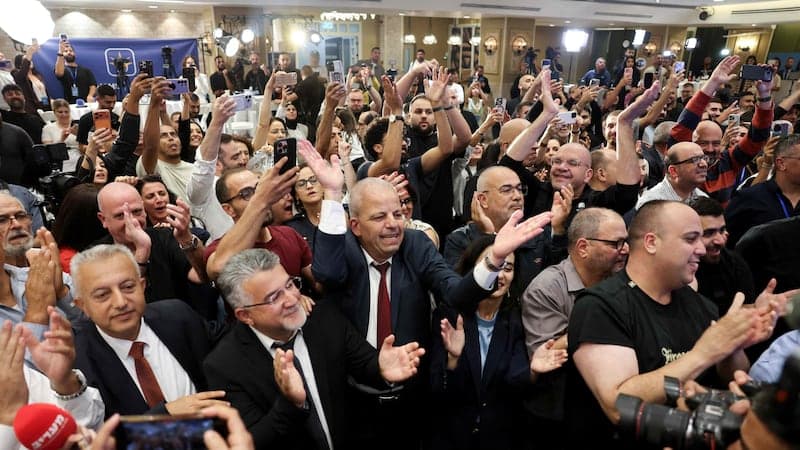
Politicians from Israel's Arab minority said on October 28 that they intend to help oust Prime Minister Benjamin Netanyahu, after the count of most ballots showed an increase in their parliamentary representation. According to The National, Arab parties could win about 18 seats in the 120-seat Knesset, up from 10 in the previous election, giving them a potentially pivotal role in forming a government.
No one has a majority
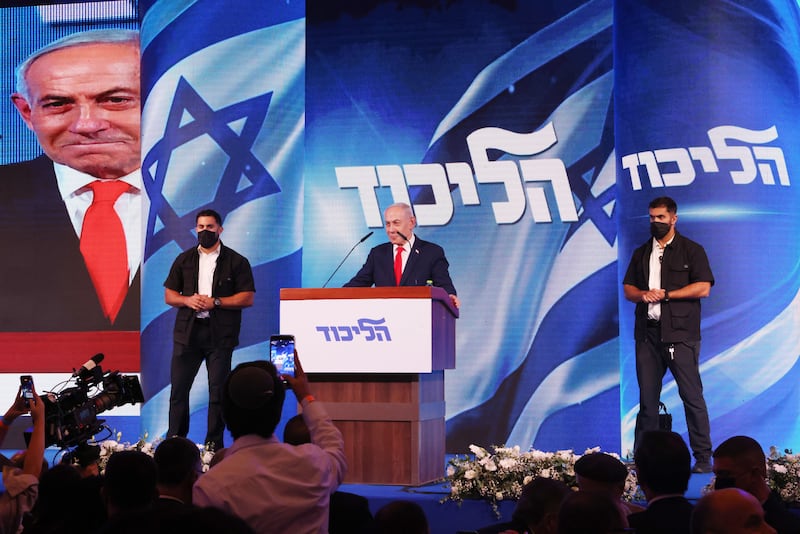
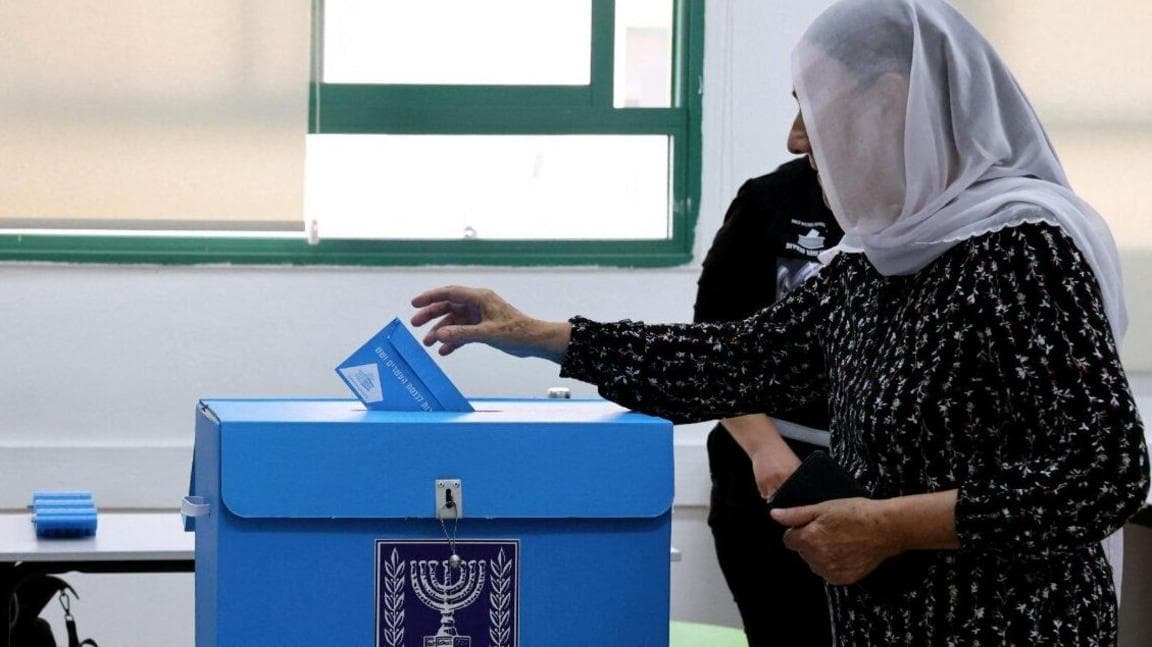
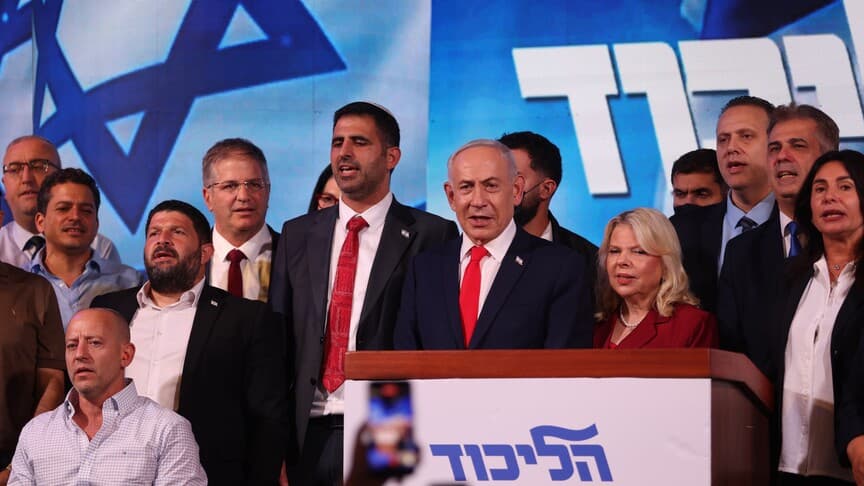
Neither Netanyahu's bloc nor the opposition led by former general Gadi Eisenkot has a majority: both camps are winning about 50 seats, with Netanyahu's bloc, according to preliminary data, slightly larger. The Likud party remains the largest force in the Knesset. The final ballots were expected to be counted by Thursday; turnout was 77.7% — the highest since 1999. Turnout in Arab communities rose sharply: Israeli TV channels estimated it at up to 80%, with some voters who had previously boycotted elections casting a ballot for the first time.
Statements by Arab politicians and the opposition
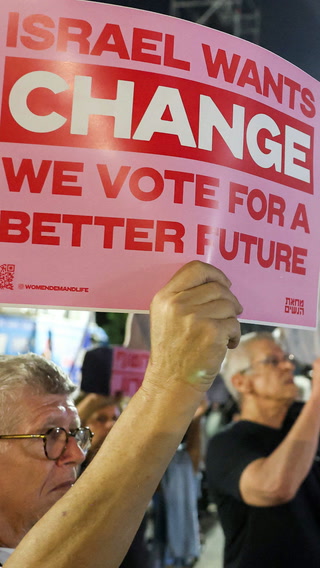
Chairman of the Joint Arab List Youssef Jabareen said the bloc is 'ready and prepared to pave the way to toppling Netanyahu's government,' and called for a 'true and equal partnership' between Jewish and Arab Israelis. Leader of the Arab Movement for Change Ahmad Tibi framed the choice as 'either Bibi or Tibi' and said the Arab parties are ready to support an Eisenkot government but will not work with Netanyahu. Yair Golan, leader of the center-left Democrats, explicitly called for an agreement with the Arab parties, saying the opposition has a majority and the chance to form a 'government of change.' Eisenkot himself did not directly reach out to the Arab parties, but said Israelis 'voted for change.'
The difficulty of forming a coalition
An alliance with Arab parties is politically risky for Jewish Israeli politicians at a sensitive stage of the Israeli-Palestinian conflict, and some opposition figures ruled it out during the campaign. There is a precedent: in 2021, Raam party leader Mansour Abbas became the first Arab minister in an Israeli government; his party is projected to win about seven seats. Even without a formal coalition, the Arab parties could tolerate a minority government. President Isaac Herzog urged the sides to avoid early repeat elections and to begin negotiations 'with an open mind'; he will start consultations with each faction after the final results are published next week.
What happens next under the law
Under Israeli law, forming a government follows a strict sequence of deadlines: Herzog first tasks one of the Knesset members with forming a coalition, with a mandate of up to 42 days; if that fails, a second candidate gets 28 days; if that also fails, a final 21-day period begins, during which any member of parliament may try to gather 61 supporters. If all stages fail, repeat elections follow. Between 2019 and 2022, Israel held five elections because of such deadlocks.
Market reaction and the risk of a pause
After the inconclusive result, Israeli markets weakened: the shekel fell about 2% against the dollar — one of the steepest currency declines in the world — and the Tel Aviv Stock Exchange index, which was closed on Tuesday, dropped about 3% and was heading for its biggest fall since June. The National notes that the prolonged inter-election period raises concerns that Netanyahu may try to exploit the situation, including through a possible attack on Iran; the vote in Israel took place a week before the US midterm elections, where voters will pass judgment on President Donald Trump. Addressing supporters, Eisenkot called Netanyahu a prime minister without a mandate and warned: 'Netanyahu, do not dare use Israel's security for your political needs.' Netanyahu himself made security the central theme of his campaign, and on the night after the election he spoke about his relationship with Trump, saying that together they would 'eliminate this threat' — Iran.