The key facts
- The Fed kept the rate at 3.75–4%; inflation has exceeded the 2% target for almost six years
- US GDP growth for the first half of 2026 was revised from 1.8% to 2.4%
- From the fall of 2027, one of the eight FOMC meetings will be held without a rate vote
Rate kept unchanged, inflation acknowledged as too high
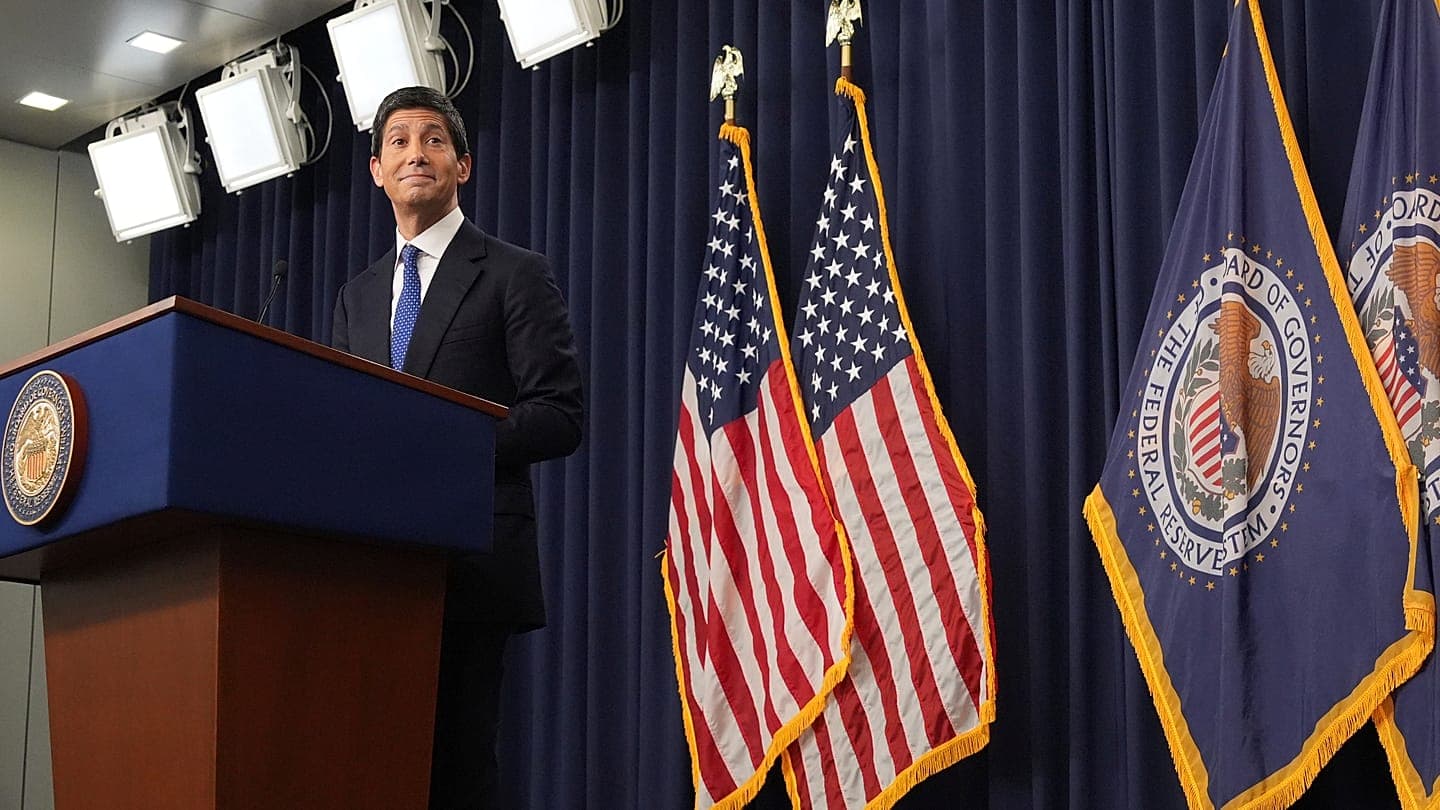
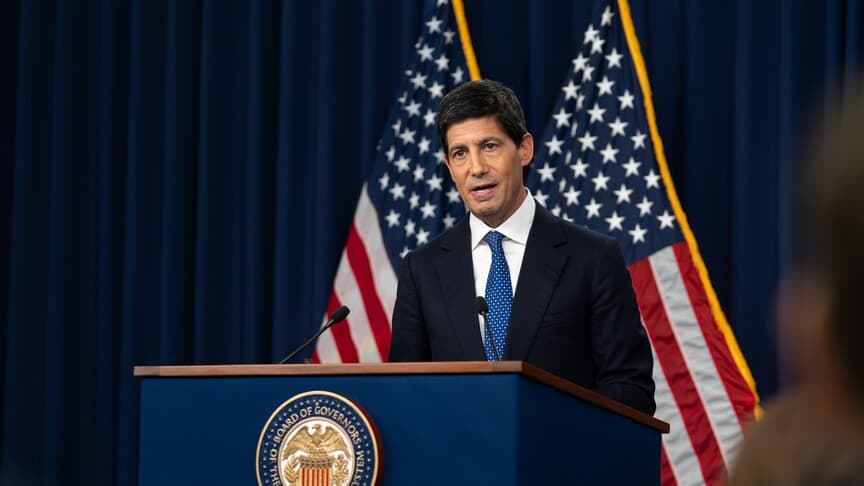
The US Federal Reserve, following a two-day meeting of the Federal Open Market Committee (FOMC), kept its benchmark interest rate in the 3.75–4% range. As Fed Chair Kevin Warshtold a press conference, the discussion focused primarily on containing price pressure. According to him, inflation remains too high after holding above the 2% target for almost six years. 'Real activity is clearly moving in the right direction — that is good news, but inflation is too high,' Warsh said, pledging to act as necessary to restore price stability.
Growth is accelerating, but risks are seen in energy
Warsh noted that US economic growth has accelerated: GDP expansion for the first half of 2026 was revised up from an initial estimate of 1.8% to 2.4%. In the third quarter, he said, growth continued to accelerate — consumer spending is running above 3%, and business investment is growing at double-digit rates; the share of capital investment in GDP has reached a historically high level amid investment in high technology. The Fed chair described the labor market as 'quite positive': unemployment is lower than a year ago, job growth has accelerated, and the four-week average of initial jobless claims is near multi-year lows. At the same time, Warsh warned that energy prices and related goods have risen again in recent weeks, and the regulator's task is to prevent relative price changes in individual sectors from spreading to the entire economy, while keeping inflation expectations anchored. He also said that after the Fed's September decision, financial and credit conditions tightened for some companies and households, but added: 'overall, financial conditions have tightened, but I am not ready and cannot call them restrictive.'
Reform of the meeting schedule from 2027
Separately, Warsh announced an institutional restructuring of the FOMC meeting schedule starting in the fall of 2027. The total number of meetings will remain at eight per year, but one of them in 2027 will be devoted exclusively to monetary policy strategy — with no vote on the rate and no statement afterward, so that seven regular rate-setting meetings will remain. In 2028, he said, two meetings are planned to be devoted to discussing long-term strategy and six to setting monetary policy. 'It is no less important to reserve time and space for strategic reflection — for rethinking the big questions and looking at longer horizons,' the Fed chair explained. The material is based on a report by the Anadolu agency; no other independent confirmation of the cited data is available in accessible sources.