The key facts
- Chancellor John Healey announced £100 of help with energy bills for millions of households and tax rises on banks and some savers
- The tax burden will rise to a record 38.6% of national income; real incomes are forecast to be lower over two years than at the start of the parliament
- The OBR cut its housing forecast by 190,000 homes by 2032; debt interest payments will reach £160bn in 2032
What the chancellor announced
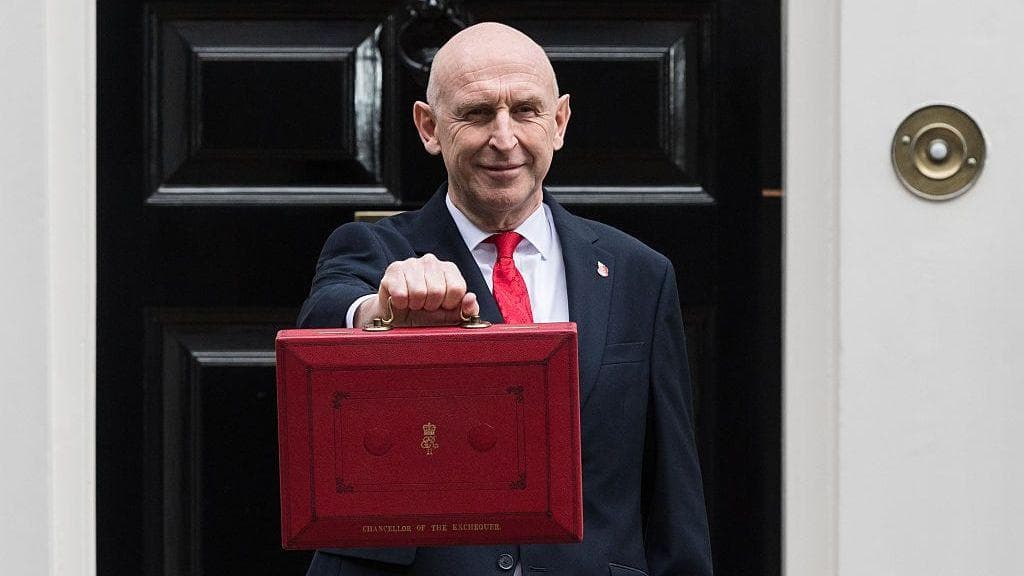
UK Chancellor John Healey presented a budget whose main measures were £100 of help with energy bills for millions of households and tax rises on banks and some savers, including through the closure of tax loopholes. According to BBC economics editor Darshini David, the budget amounted to more of a 'course correction' than a new strategy: the government's financial room for manoeuvre has narrowed noticeably due to the consequences of the Middle East conflict, which has hit household spending, business and the state's ability to provide support. Markets, in the BBC's assessment, reacted calmly.
The price of the 'breathing space'
The help is aimed at those affected by rising energy and fuel bills, but, as the BBC notes, the 'breathing space' is limited: official forecasters believe that rising earnings will not compensate for higher prices and taxes. Even taking additional measures into account, real household incomes over the next two years will remain on average lower than at the start of the parliament, and by the end of the decade living standards are forecast to be only 1% higher than at the outset. Contributing to this is the freeze of tax thresholds inherited from predecessors — 'fiscal drag', under which taxes take an ever larger share of wages. As a result, the tax burden will reach a historic high of 38.6% of national income.
Why the package was restrained
More generous support would have been difficult: rising inflation and debt increased the government's borrowing costs by £14bn in the last year alone. Debt interest payments are planned to reach £160bn in 2032 — more than double spending on England's schools. Healey has already used part of the reserves in the public finances, and amid continuing uncertainty — for example, if energy prices remain high — this could 'eat up' all the available funds. The OBR, however, points out that the risks are two-sided: a swift resolution of the conflict and an improving economy could significantly strengthen the public finances.
Deferred questions
A number of major decisions have been postponed. With higher inflation, if health and defence become the priority, the budgets of 'unprotected' areas — justice and higher education — will lag behind inflation after 2028. Healey hinted that he could direct part of these budgets towards defence spending. The question of reforming the social security system has been deferred to an upcoming review of young people out of work, even though spending in this area will grow by £100bn between 2025 and 2032, and the OBR warns of a possible further rise of £13bn due to the rapid increase in the number of recipients of sickness and disability benefits. In housing there is bad news: despite help for first-time buyers, the OBR expects 190,000 fewer homes to be built by 2032than it estimated in March. In total, the chancellor announced 98 relatively small measures, and, in the BBC's phrasing, the list of unresolved tasks has only grown longer.
 Image source, Getty Images
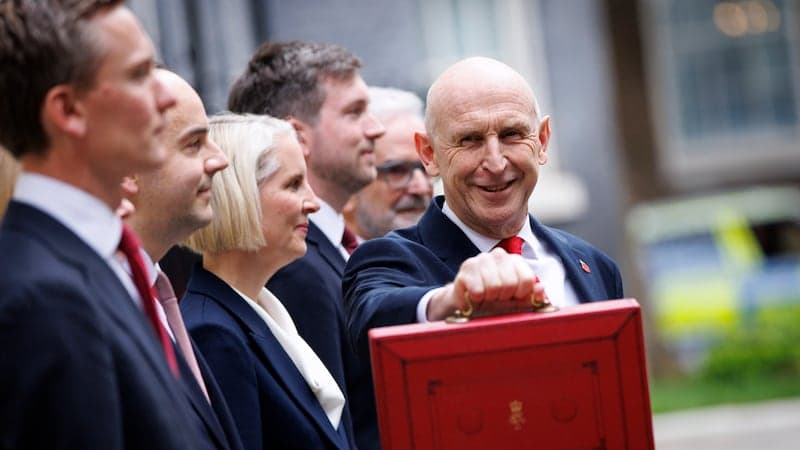
While earnings are rising, forecasters predict that is not compensating for higher prices and taxes