The key facts
- The minimum wage for 18–20-year-olds will rise by 3.9% to £11.27 from April, keeping age differences
- A 'First Time Buyer Isa' will launch in 2029 to replace the Lifetime Isa, alongside the £4.7 billion Your First Home scheme
- Decisions on NEET youth and student loan reform have been postponed pending Alan Milburn's report
Pay rises that keep age differences in place
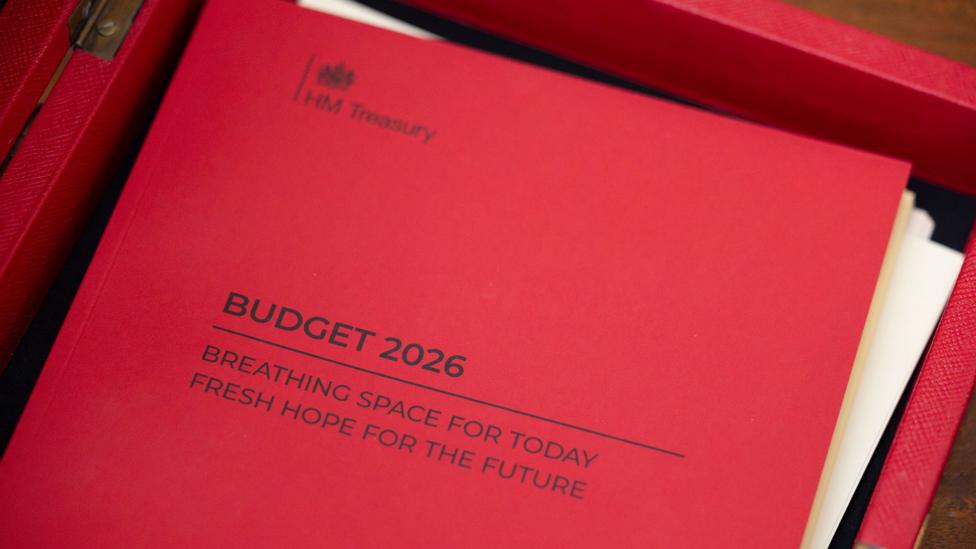
The UK Budget, presented by Chancellor of the Exchequer Reeves... writes BBC News. Wait — presented by Chancellor Healey, contains a number of measures directly affecting people under 25, as BBC News reports. From April next year the minimum wage for workers aged 18–20 will rise by 3.9% to £11.27 an hour, while for workers over 20 the minimum will be £13.21. The rise may fall short of expectations: Healey abandoned the course of his predecessor Rachel Reeves, who had planned to abolish the 'discriminatory age bands' and equalise the minimum for everyone over 18. Economist Ben Zaranko noted a side effect: a 21-year-old worker on the minimum wage with a student loan taken out after 2023 will now earn enough to exceed the £25,000 loan repayment threshold, above which 9% of income is deducted.
Help for first-time buyers
Several measures are planned for young home buyers. From 2029 a 'First Time Buyer Isa' will be introduced — a savings account where the government adds 25% to contributions of up to £4,000 a year; it will replace the Lifetime Isa, which was criticised for its harsh penalties when buying a home worth more than £450,000. Penalties for withdrawing funds from existing Lifetime Isas will also be reduced. The previously announced Your First Home scheme for England, worth £4.7 billion, will allow buyers to purchase new-build homes with a 2.5% deposit and an interest-free loan of 20% of the property's value (capped at £110,000 outside London and £140,000 in the capital); the aim is to help 70,000 people without parental support.
What was left out of the Budget
On two fronts, no concrete decisions followed. More than a million young people aged 18–24 are neither working nor studying (the NEET category), but the Chancellor postponed measures, awaiting recommendations from Alan Milburn, who has warned that the country risks a 'lost generation', and will present his conclusions by the end of the year. Reform of the Plan 2 student loan repayment system (2012–2023) was also not announced: Treasury minister Emma Reynolds said the system 'is under review', acknowledging that the inherited system is 'complex and unfair to young people', but no move was made on this issue this time. For young entrepreneurs in England, a pilot 'Young Entrepreneurs Allowance' is planned — partial coverage of living costs in the first year of running a business, though details of the scheme have not yet been disclosed.
 Image source, Getty Images
 Image source, Getty Images
 Image source, Getty Images
 Image source, Getty Images