The key facts
- The Netherlands plans to cut about 25,000 public-sector jobs with active use of AI
- Savings of 3.5 billion euros per year are expected by 2035, and 900 million euros annually by 2027
- Police and defense are excluded from the cuts; in some units staffing may shrink by 20–60%
Public administration reform plan
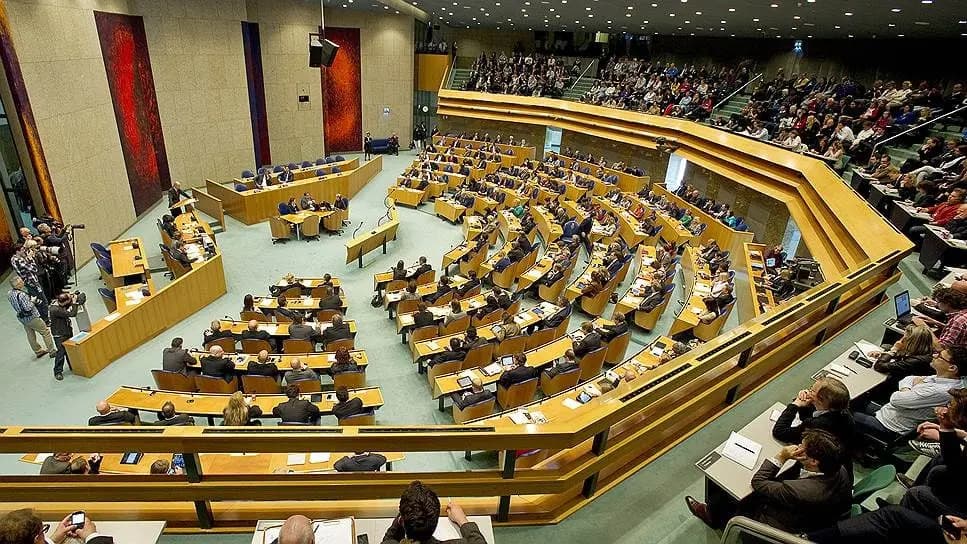
The government of the Netherlands plans to cut nearly 25,000 public-sector jobs in order to simplify governance and reduce costs, making active use of artificial intelligence. Citing an official government letter dated October 26, Bloomberg reports (summarized by Daryo.uz). According to the document, by 2035 the reform will save 3.5 billion euros per year, and by 2027 annual spending is to be cut by 900 million euros. Early next year, the cabinet will present a plan for implementing AI to speed up the work of government agencies and make them more efficient.
Who will be affected by the cuts
“We cannot keep working the old way. Public administration must become simpler, smarter and more compact,” said State Secretary for Government Efficiency Erik van den Burg in a letter to parliament. The cuts will not affect all bodies equally: the police and the defense sector are excluded from the main reductions, and the changes will mainly concern ministries, oversight inspectorates and government agencies. In some units, staffing may shrink by 20–60%. In addition, the authorities intend to repeal up to 500 regulations each year that generate bureaucracy or have been deemed ineffective.
Context: record headcount growth and earlier initiatives
Previous governments also promised to reduce the number of civil servants, yet by the end of 2025 it had reached a record 160,000 people — 41% more than in 2018. AI is already used in some government bodies; now the government intends to expand its use to raise productivity and cut spending on external contractors. Earlier, the Dutch parliament adopted a series of resolutions calling for a 20% increase in agency productivity through AI, but these were only advisory in nature. When procuring technology, the government expects to work mainly with local and European companies, reducing dependence on developers outside Europe. According to Bloomberg figures cited by Daryo.uz, the Netherlands' budget deficit remains one of the lowest in the European Union, yet the government still aims to cut public spending in the coming years.