The key facts
- Netanyahu, in Eylon Levy's assessment, scored an 'extraordinary comeback' despite the events of October 7, 2023 and three years of war
- According to preliminary projections, Arab parties could win record representation in the Knesset
- Possible outcomes: a unity government, a minority government, or a repeat election
Three scenarios after an inconclusive election
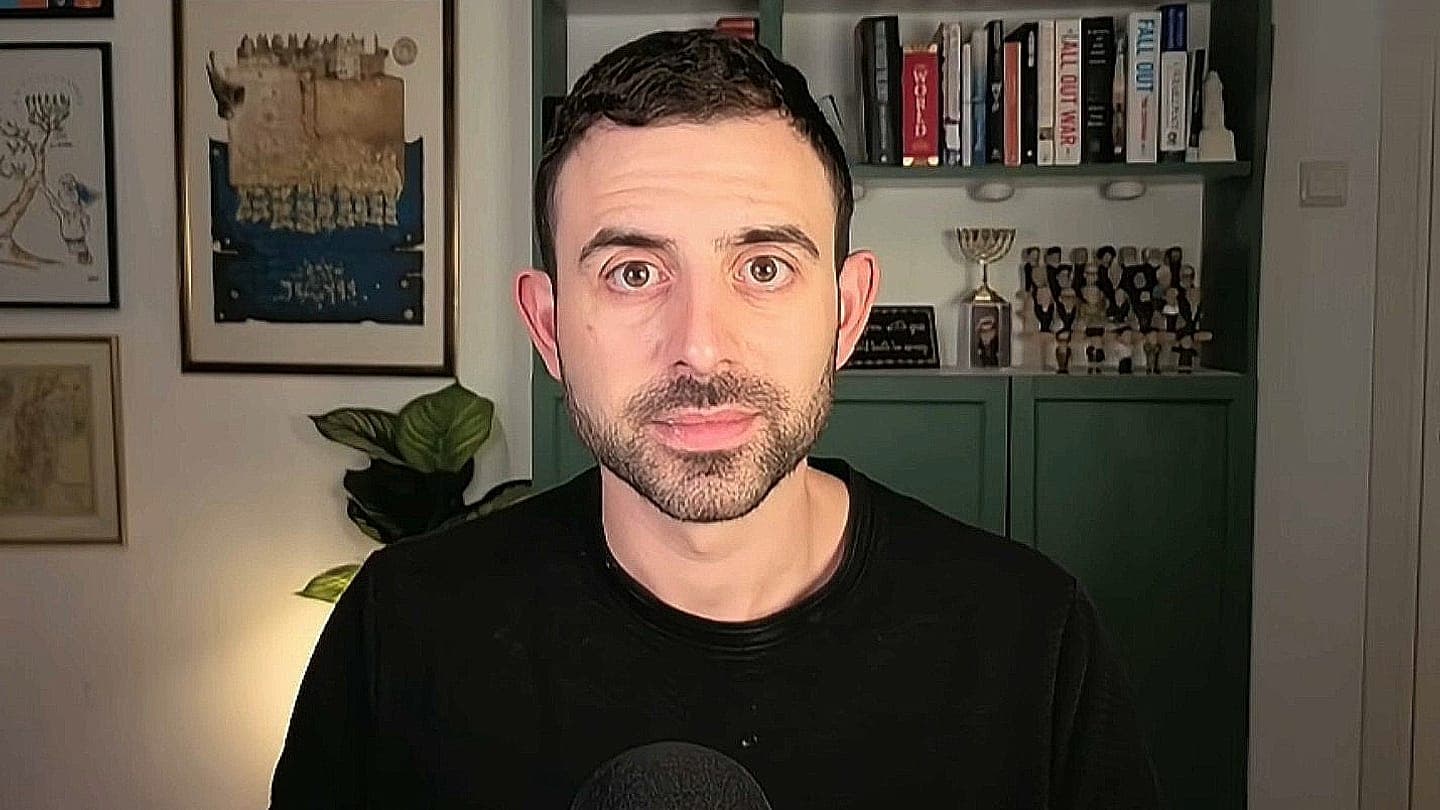
Israel, after parliamentary elections that produced no clear winner, faces three options: forming a national unity government, a minority government, or new elections. This is how the situation was assessed by former official spokesperson of the Israeli government Eylon Levy in a comment to Euronews. According to him, any of these scenarios 'will require someone to make concessions on some very serious coalition promises.'
'An extraordinary comeback' without a majority
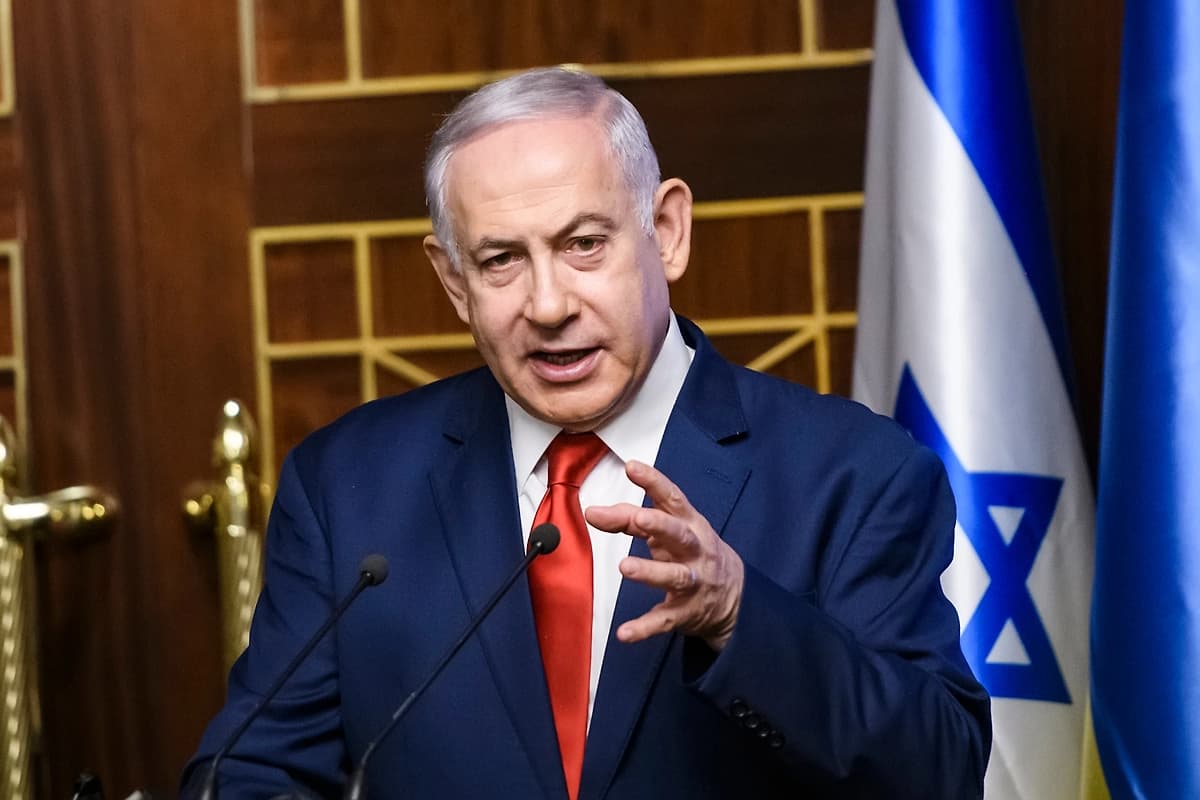
For Benjamin Netanyahu, the election amounted, in Levy's words, to 'an extraordinary comeback' — despite the massacre of October 7, 2023, which happened 'on his watch as prime minister,' three years of war since then, and widespread public discontent with his alliance with the ultra-Orthodox parties demanding exemption from military service. Yet electoral success does not automatically mean a majority in the Knesset: 'Netanyahu has lost his majority. It looks unlikely that he will keep a majority. But until someone else can form a government, he remains caretaker prime minister,' Levy noted. This puts his rivals in a difficult position: they need to assemble an alternative coalition, and failure would only prolong Netanyahu's stay in power as caretaker prime minister.
Arab parties as the decisive factor
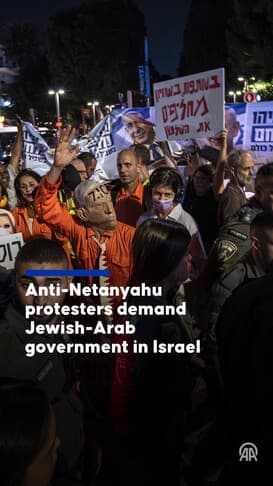
The Arab parties achieved notable success: according to preliminary projections, their representation in the Knesset could be record-breaking, which has once again sharpened the sensitive question of their participation in forming a government. Their support could prove decisive for the main opposition contender Gadi Eisenkot, although a number of opposition politicians have ruled out cooperation with them. Levy said that the option of a minority government led by Eisenkot with the support of some Arab parties had been discussed, but he warned that such an arrangement could trigger a political backlash: leaders of the 'change bloc' warn that it would be 'deeply unpopular' and would ultimately hand Netanyahu an even bigger majority in the next election. Levy also cited ideological disagreements as an obstacle, in particular over the question of Hamas: Mansour Abbas, leader of the Ra'am party, which was part of the governing coalition in 2021–2022, condemned the October 7 attack but has repeatedly refused to explicitly call Hamas a terrorist organization. 'So they are still kryptonite for most mainstream parties,' Levy concluded. The outcome, in his words: 'Either we go back to elections, or someone capitulates, cuts a deal, and joins his coalition.'