The key facts
- More than half of pilots admitted flying while fatigued; 76% reported microsleep in the cockpit in the past four weeks
- The main barrier to reporting is fear of management's reaction (47%); only 12% expressed trust in the reporting system
- The problem is also confirmed by EASA's June 2026 report, which named crew fatigue one of the main threats to safety
The scale of the problem
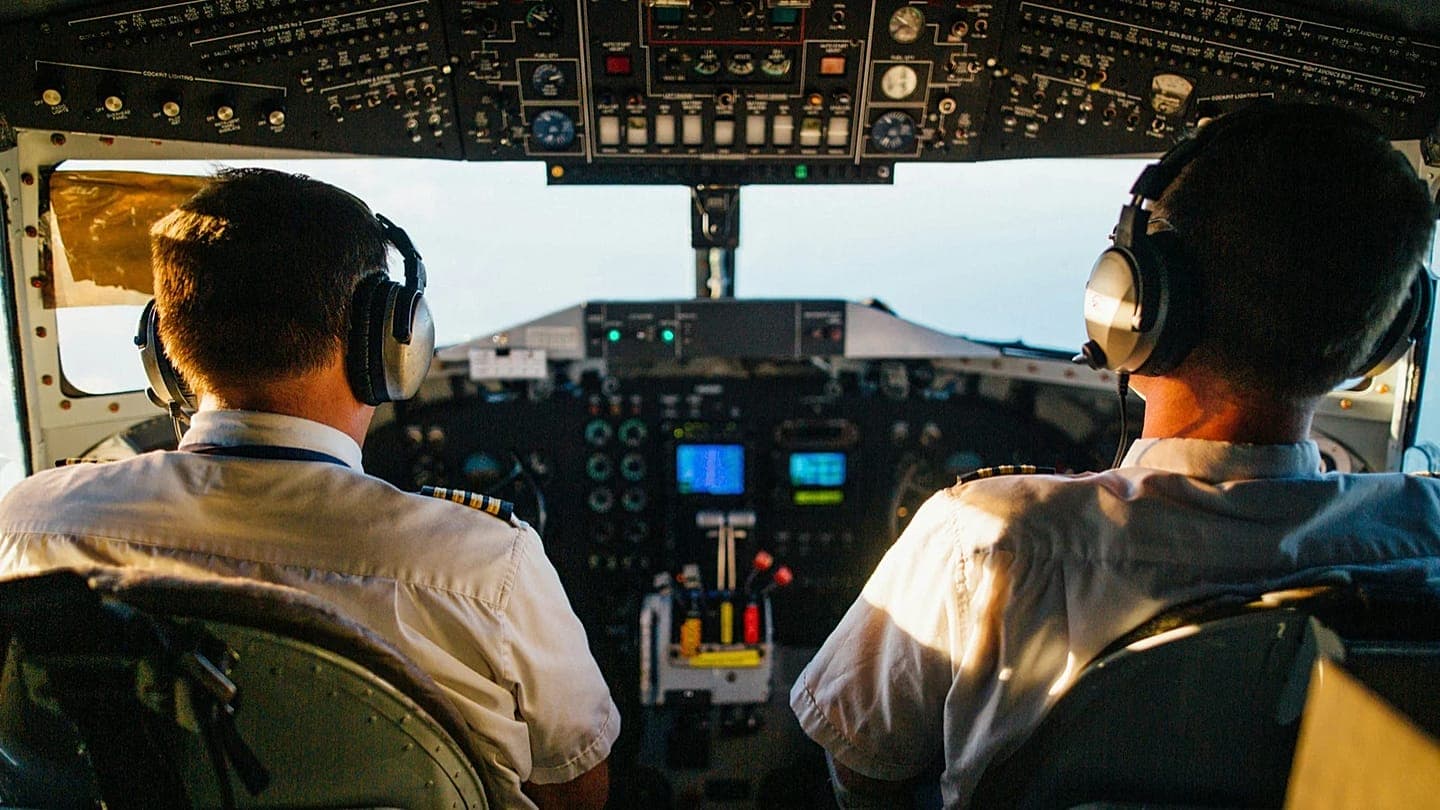
More than half of the pilots surveyed said they had flown while severely fatigued, and over 76% reported having experienced microsleep — a brief involuntary episode of falling asleep — in the cockpit at least once in the past four weeks. These are the findings of a survey by the European Cockpit Association (ECA), as reported by euronews. The study, conducted by the aviation consulting firm Baines Simmons, covered 7,200 pilots from 32 countries. More than half of the participants also admitted that at least once in the past three months they had operated a flight and only afterwards realized they should have declared themselves unfit to fly due to fatigue.
Why fatigue goes unreported
Although 82% of pilots know how to file a fatigue report, only 12% said they trust the reporting system, and just 11% reported that such reports had led to operational changes improving safety. Half of the respondents believe that fatigue risks at their airline are managed poorly or not managed at all. The most common reasons pilots cited were concerns about management's reaction (47%), reluctance to draw attention to themselves (44%), and unwillingness to inconvenience their employer (35%). “If pilots fear career consequences, fatigue cases go undocumented, and the risk returns to the cockpit”, said ECA board member Captain Koan George.
Cumulative fatigue and the regulator's position
ECA lists head nodding, efforts to keep one's eyes from closing, reduced alertness, and microsleep episodes as signs of fatigue in the cockpit. Fatigue can result from acute sleep deprivation, long or demanding flight duty periods, and regularly insufficient recovery time. The report particularly emphasizes the danger of cumulative fatigue, which builds up gradually: pilots often find it harder to recognize such a deterioration in their condition in advance than the effects of short-term sleep deprivation. The regulator has long been aware of the problem: in its June 2026 report, the European Union Aviation Safety Agency (EASA) named crew fatigue one of the most persistent and serious threats to safety; the document links it to flight schedules, frequent short-notice schedule changes, and the use of the commander's authority to extend flight duty periods beyond the established limit. EASA stresses the need for initiatives that will improve the quality of reporting and help build a working culture in which employees can admit to fatigue without fear of disciplinary action.