The key facts
- The UN mission reported a cross-border arms supply network involving individuals and entities in Chad, Puntland, southeastern Libya, and the UAE
- The mission supports extending the arms embargo beyond Darfur and the ICC's mandate to the entire territory of Sudan
- The city of El Obeid is partially encircled by RSF forces; the risk of atrocities is assessed as high
UN mission's findings
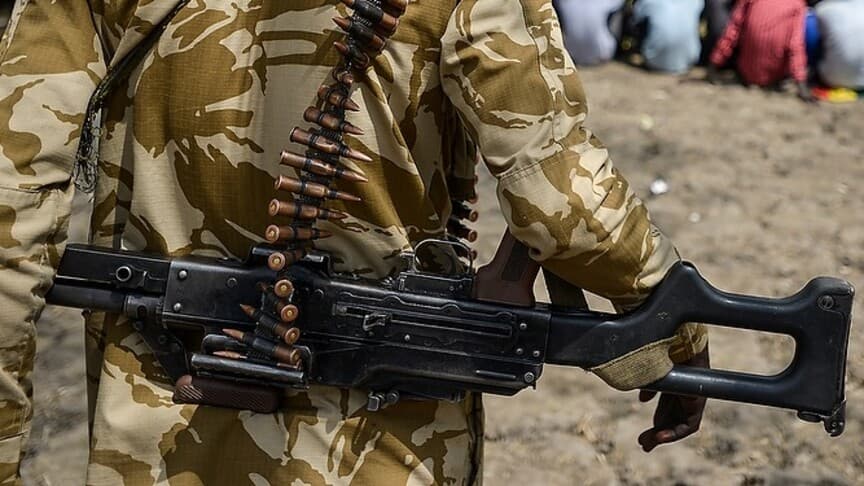
The independent international UN fact-finding mission on Sudan stated that the conflict, ongoing since April 2023, is being fueled by external supplies of weapons, military technology, logistical support, and foreign personnel. At a press conference at UN headquarters in New York, the head of the mission, Mohamed Chande Othman, said the investigation had found “reasonable grounds” to believe that external actors are supplying both sides of the conflict — the Sudanese army (SAF) and the Rapid Support Forces (RSF) — enabling them to sustain military operations.
A cross-border supply network
According to Othman, the investigation uncovered a cross-border network involving individuals and entities in Chad, Somalia's Puntland, southeastern Libya, and the United Arab Emirates engaged in weapons supplies and the training of foreign fighters. The mission called on these states to strengthen their due diligence obligations, but stressed the distinction between governments and individuals operating on their territory: based on the available evidence, none of the neighboring states has so far been linked to supplies as a state. The mission is engaging with the UAE and Chad; Chad denies that its territory is being used, and the investigation into the role of other states continues.
Call to expand the embargo
Mission member Joy Ngozi Ezeilo voiced support for extending the arms embargo beyond Darfur — a question the UN Security Council rejected in September and again in early October. The mission also advocates extending the jurisdiction of the International Criminal Court to the entire territory of Sudan. Ezeilo noted that the war “is not receiving the attention it deserves” and that the international community's response is insufficient. Her colleague Mona Rishmawi emphasized that the parties to the conflict and their allies “are essentially destroying a country of 56 million people,” and that impunity for past conflicts fuels the violence.
The situation on the ground
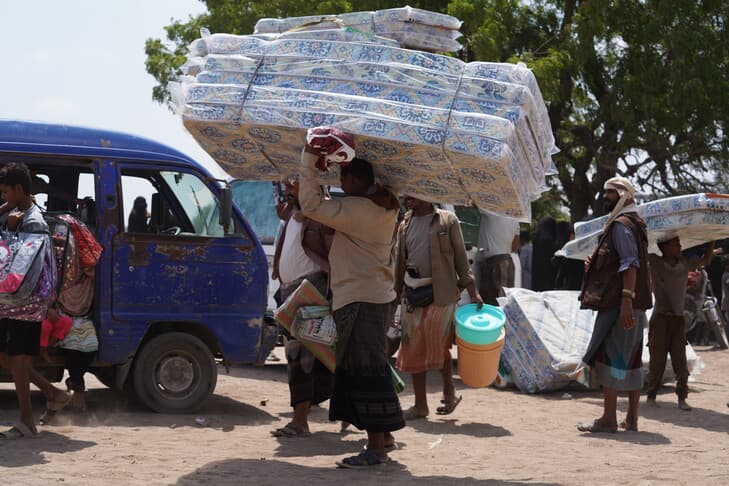
According to the mission's report, civilians in the strategic city of El Obeid are in serious danger: the city is partially encircled by RSF forces, and Othman assessed the risk of atrocities as high. Drone strikes attributed to the RSF have damaged schools and sites for displaced people and disrupted access to medical care, electricity, and water. At the same time, forces aligned with the army have intensified surveillance and arbitrary arrests, restricting civil liberties. Othman added that attacks in Blue Nile, Abyei, and near the Sudan–Egypt border confirm the mission's warnings: the conflict is becoming geographically wider, technologically more sophisticated, and more dangerous for civilians. According to the mission, since April 2023 the conflict has claimed tens of thousands of lives, and some 13 million people have been forced from their homes; famine and the humanitarian crisis are deepening.