The key facts
- On 29 October Uzhydromet extended the inversion forecast to 10 days, whereas the ecology committee had earlier named the beginning of next week as the end date
- Pollution is higher in the morning and evening; during the day the wind partially disperses the dust
- By 26 October, 3.9 mm of precipitation had fallen in Tashkent against a norm of 23.7 mm
Forecast extended
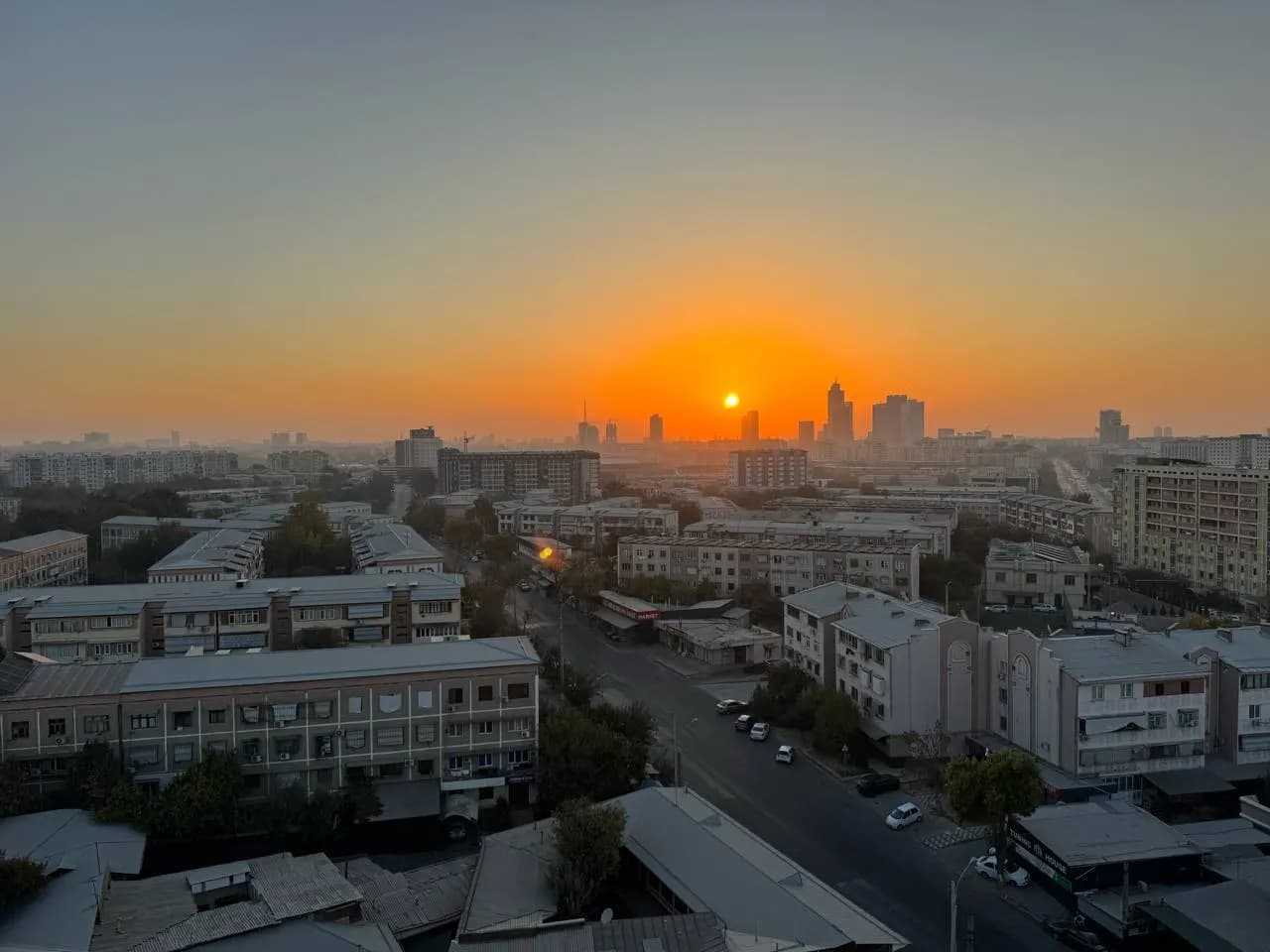
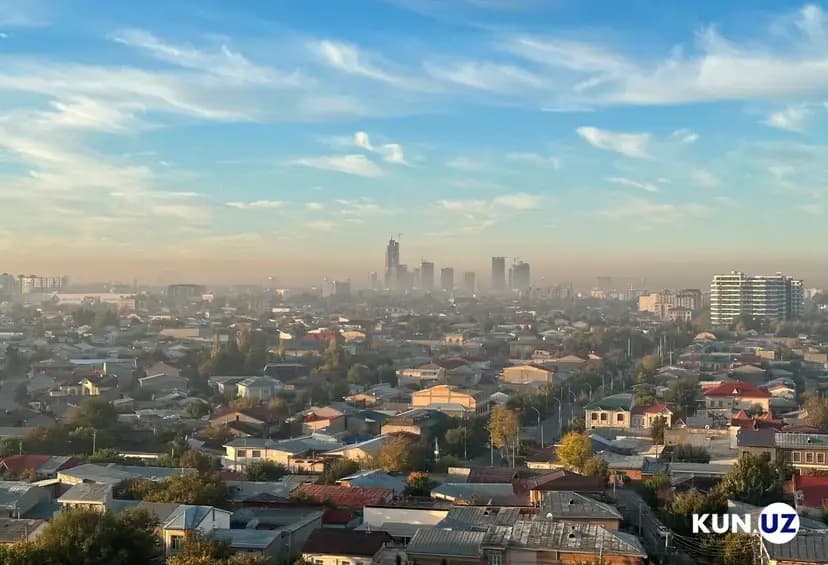
Atmospheric inversion in Tashkent may persist for about another 10 days and contribute to further deterioration of air quality — Uzhydromet issued this warning on 29 October. This was reported by Gazeta, while the outlet UzNews.uz separately notes an earlier estimate: according to the National Committee for Ecology and Climate Change, which it cites, the inversion was expected to continue only until the beginning of next week.
Why the air becomes polluted
Dust and pollutants constantly enter the atmosphere, but in the absence of wind their dispersion is hindered, while rain washes part of the dust particles out of the air. During periods of calm weather without precipitation, impurities accumulate, and the inversion prevents them from rising into the upper layers of the atmosphere, Uzhydromet explained. The daily dynamics are uneven: during the warmer hours of the day the wind picks up, dust disperses and the pollution level relatively decreases, whereas in the morning and evening, under the influence of the inversion, the concentration rises.
Causes and background
The Research Hydrometeorological Institute named an anticyclone, weakening winds and a temperature inversion as the main causes of the deterioration of air quality in Tashkent and other Central Asian cities on 20–27 October — these conditions contributed to the accumulation of natural dust and emissions from transport, industry and energy. The Daryo.uz portal adds that Tashkent is located in the foothills, near the border with the valley, where winds from the north-east and south-west play an important role, and experts point to the influence not only of human activity but also of natural dust, scarce precipitation and unfavourable weather conditions. According to the ecology committee, which the outlet cites, by 26 October only 3.9 mm of precipitation had fallen in the city against a monthly norm of 23.7 mm — almost six times less than the norm.
What is being done
To improve air quality, according to Uzhydromet, roads in the city are being watered, filters are being installed in greenhouses, greening work is being carried out, dust prevention at construction sites is being monitored, and inspections are being organised at greenhouse farms and at industrial enterprises that pollute the environment.